
Why Tiny Balance Drills Can Transform Senior Independence
For many of us who have walked the streets of our hometown for decades, the idea of a “balance drill” often conjures images of gym‑floor routines that feel foreign to our seasoned muscles. Yet the truth is that tiny, purposeful movements performed on a daily basis can safeguard the freedom to answer the door without a wobble, to stroll through the park without fear, and to keep our favorite chair upright when we need a moment’s rest. I’ve spent the last ten years experimenting with a handful of simple exercises—such as heel‑to‑toe walks along the kitchen countertop or single‑leg stands while brushing teeth—and the results have been nothing short of a quiet renaissance in confidence. By embedding these micro‑habits into our morning ritual, we give our proprioceptive system the gentle nudges it needs to stay sharp, reducing the risk of falls that can so easily alter the course of senior living.
Micro‑Strengthening with Everyday Objects
When the word “strength” appears, many envision dumbbells or resistance bands, but seniors can harness the weight of household items to build resilient muscles without stepping into a commercial gym. A sturdy water bottle, a bag of rice, or even a rolled‑up towel can serve as a gentle load for bicep curls while seated, or for calf raises during a commercial break. I began each evening with a modest routine of three sets of ten lifts using a 1‑liter water jug, and soon discovered that my grip grew firmer, my posture steadier, and my energy levels subtly lifted. The key is consistency—not intensity—and listening to the body's signals, allowing a brief pause if any discomfort arises. This approach not only reinforces muscular endurance but also reinforces the mental habit of turning ordinary moments into opportunities for healthful reinforcement.
Breathing With Purpose: A Simple Tool for Blood Pressure
While the medical community often prescribes medication for hypertension, a disciplined breathing practice can act as a complementary ally. By inhaling slowly through the nose for a count of four, holding for a gentle pause of two, and exhaling through pursed lips for a count of six, we trigger the vagus nerve, encouraging a calm heart rhythm. I introduced this three‑minute ritual after each meal, and over weeks, the steady rhythm helped lower my resting systolic numbers without additional pills. This method aligns with the body’s natural parasympathetic response, easing the stress that often spikes blood pressure in the golden years. Pairing mindful breathing with a short walk around the block magnifies the effect, weaving together movement and respiration into a seamless health‑boosting practice.
The Power of Storytelling Circles for Cognitive Vitality
Human brains thrive on narrative, and seniors possess a treasure trove of lived experiences that can be transformed into cognitive workouts. Forming a small storytelling circle—perhaps with neighbors or members of a local senior center—provides a platform to rehearse memory, articulate emotions, and engage socially. I started a weekly “Memory Lane” gathering in my community garden, where each participant shares a vivid recollection from their past, followed by a brief discussion. This routine not only sharpens recall but also stimulates the hippocampus, the brain region essential for forming new memories. Moreover, the shared laughter and empathy foster a sense of belonging, which research shows is a protective factor against cognitive decline. By turning personal history into a communal exercise, seniors can keep their minds agile while reinforcing social bonds.
Digital Literacy as a Brain Exercise
In today’s interconnected world, mastering a new piece of technology can feel like learning a fresh language, and that very challenge is a potent brain trainer. I took the plunge into video‑calling platforms to reconnect with my grandchildren, and each session required me to navigate apps, adjust settings, and troubleshoot minor glitches. This deliberate engagement activates multiple neural pathways—visual, auditory, and motor—creating a comprehensive workout for the aging brain. Setting aside a half‑hour each week to explore a new app, read an online article, or even compose an email to a friend can stave off the mental stagnation that sometimes accompanies retirement. The key is curiosity and a willingness to make mistakes; each error becomes a stepping stone toward sharper cognition and a more confident digital presence.
Nutrition Tweaks That Complement Physical Routines
While exercise lays the groundwork for joint health, nutrition supplies the essential building blocks that keep cartilage resilient and inflammation at bay. Incorporating foods rich in omega‑3 fatty acids—such as walnuts, flaxseeds, and fatty fish—can lubricate joints and reduce soreness after a balance drill. I added a modest handful of ground flaxseed to my morning oatmeal, noticing a subtle ease in my knees during the day’s activities. Additionally, a pinch of turmeric mixed into a warm tea offers anti‑inflammatory benefits that support the muscles engaged during micro‑strengthening. Pairing these dietary adjustments with the previously mentioned movements creates a synergistic effect, where each component amplifies the other’s impact, fostering a holistic approach to senior wellness.
Social Exercise: Leveraging Community Rhythm
Human beings are wired to move better when we are in sync with others, a principle highlighted in community rhythm research. By joining a walking group, a gentle tai‑chi class, or even a neighborhood “step‑challenge,” seniors can reap the physiological benefits of movement while simultaneously nurturing social connections. I joined a local “Sunrise Stroll” crew that meets at the park each morning; the shared cadence not only motivates me to walk farther, but the post‑walk coffee chats keep my mind engaged and my spirits lifted. This dual benefit—physical activity paired with communal interaction—creates a feedback loop that reinforces adherence to exercise routines and reduces feelings of isolation that can erode health over time.
Playful Movement as a Mood Booster
When we think of “play,” we often picture children, yet incorporating a touch of fun into daily motion can dramatically uplift mood and mental health. Simple activities like dancing to a favorite song while cooking or doing a light “shadow boxing” routine while watching television introduce joy into otherwise mundane moments. I discovered that a 5‑minute “playful movement” break during my afternoon TV slot sparked a burst of endorphins, leaving me more energized for the rest of the day. This concept aligns with findings from playful movement studies, which reveal that spontaneous, enjoyable motion can reduce stress hormones and enhance cognitive clarity. By weaving delight into our physical habits, seniors can cultivate a resilient mindset that supports overall wellbeing.
Creating a Sustainable Routine for Lifelong Vitality
The ultimate goal is not a fleeting burst of activity but a sustainable rhythm that feels as natural as sipping morning tea. To achieve this, I recommend mapping out a simple weekly schedule that integrates the balance drills, micro‑strength sessions, breathing practice, and social outings, each allocated a modest time slot that respects personal energy levels. Start with a single element—perhaps the heel‑to‑toe walk each morning—and gradually layer additional practices as they become habit. Tracking progress in a small notebook, noting how the body feels after each session, reinforces accountability and celebrates incremental gains. Over months, these small, consistent actions coalesce into a robust foundation that protects independence, nurtures the mind, and sustains the joy of living well into the later chapters of life.

William Roy is a freelance writer originally from Montreal who moved to Ottawa with his wife of 50 years to be closer to their grandkids. Alongside his writing, William has a passion for fishing.
Related Posts
How Senior Volunteerism Supercharges Physical and Mental Well‑Being
Volunteering offers seniors a powerful blend of physical activity, mental stimulation, and social co... Read More

Remote Health Coaching: A Game‑Changer for Senior Wellness
Remote health coaching offers seniors personalized, tech‑enabled guidance that improves mobility, ... Read More
Cultivating Vitality: How Community Gardens Empower Senior Well‑Being
Community gardening offers seniors a powerful blend of exercise, cognitive stimulation, emotional re... Read More
Top Posts

When Cancer Becomes a Catalyst for Reinvention
A cancer diagnosis can feel devastating, but reframing it as a pivot point unlocks resilience, purpose, and new opportunities—from advocacy and gut‑brain he...Read More
The Real Cost of Vaping: Budgeting, Taxes, and Long‑Term Savings
Explore the hidden expenses, tax implications, and budgeting strategies of vaping. This guide helps you understand the true cost and decide if switching saves m...Read More
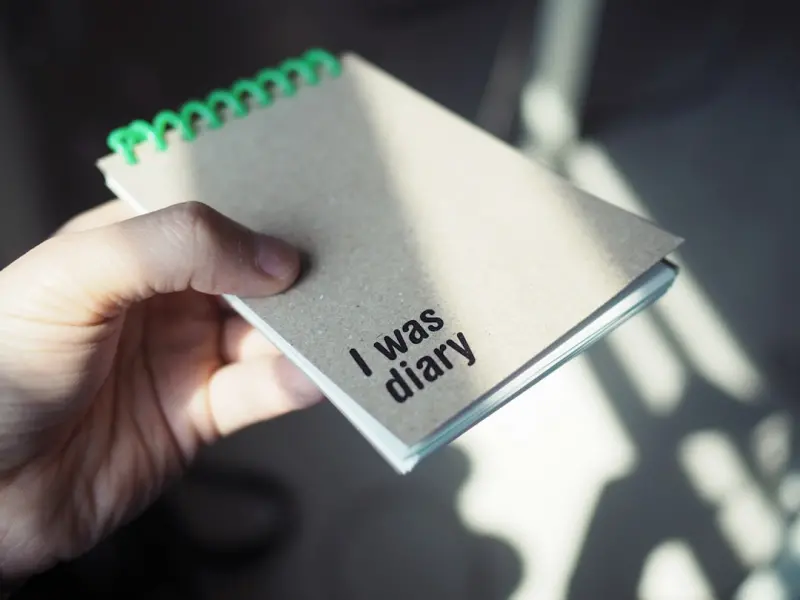
Micro‑Journaling: A Tiny Habit with Big Mental‑Health Payoff
Learn the power of micro‑journaling: a simple, 60‑second habit that rewires your brain, reduces stress, and fuels lasting mental‑health growth....Read More

When the Plate Becomes a Battlefield: Navigating Eating Disorders in a Remote World
A deep dive into the subtle ways remote work fuels disordered eating, offering actionable strategies, community alternatives, and personal insights to foster he...Read More
0 Comments
Post Comment
You will need to Login or Register to comment on this post!