

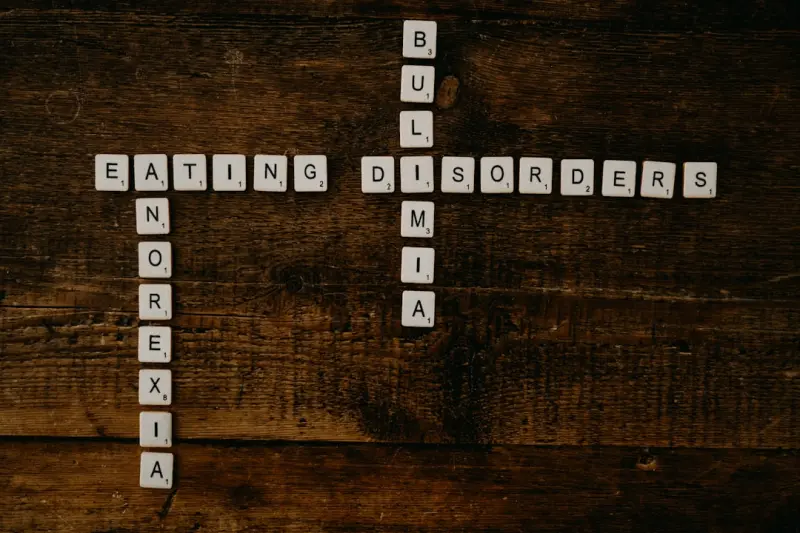
When the Plate Becomes a Battlefield: Navigating the Quiet Crisis of Eating Disorders in a Remote World
There’s a certain irony to how we talk about food these days. It’s hailed as the ultimate comfort, the fuel for our hustle, the centerpiece of social gatherings—and yet, for many of us, every bite can feel like a covert conflict. I’ve spent the last decade watching friends, colleagues, and strangers wrestle with the invisible tug‑of‑war between nourishment and control. As someone who has lived both sides of the screen—office cubicle and home office—I’ve seen how the very environments meant to empower us can also nurture the seeds of disordered eating.
Why Remote Work Amplifies the Whispered Struggle
When we transitioned en masse to remote work, the conversation was all about flexibility, work‑life balance, and the joy of ditching the daily commute. What went unspoken was how the blurred lines between “kitchen” and “workspace” reshape our relationship with food.
- Constant visual cues. A refrigerator humming in the background is no longer a brief interruption; it’s a perpetual presence. The temptation to snack becomes a default response to a pause in a video call.
- Self‑monitoring overload. Fitness trackers, calorie‑counting apps, and endless health podcasts flood our feeds. While data can inspire, it can also morph into an obsessive ledger, especially when the same device that records our steps also tallies every crumb.
- Social isolation. The lunch break that used to be a shared experience now often happens alone. Without the informal checks of coworkers or friends, the internal narrative can spiral unchecked.
All of these factors converge to make the kitchen a frontline in a quiet, ongoing battle. For those with a predisposition toward perfectionism or anxiety, the stakes feel even higher.
The Myth of “Healthy” Eating as a Moral Compass
In the age of Instagram salads and “clean‑eating” challenges, food has been transformed into a moral yardstick. We’re sold a narrative where choosing a kale‑based bowl equates to virtue, while a slice of pizza becomes a personal failing. This binary thinking is fertile ground for disordered patterns:
- All‑or‑nothing thinking. One slip is seen as a total collapse, prompting restrictive cycles or binge episodes.
- External validation. Likes and comments become the only feedback loop, reinforcing restrictive behavior for the sake of approval.
- Guilt looping. Every indulgence spawns guilt, which in turn fuels the next round of restriction.
The problem isn’t the food itself; it’s the story we tell about it.
Recognizing the Subtle Signs Before They Escalate
Eating disorders don’t always announce themselves with dramatic weight loss or overt bingeing. In many remote settings, the signs are subtle, tucked behind a veil of “healthy habits.” Here’s a checklist to keep an eye on:
- Frequent comments about “cleaning up” meals or obsessively weighing food.
- Sudden spikes in calorie‑tracking app usage that feel compulsive rather than informational.
- Choosing to eat alone, even when team lunches are offered.
- Expressing intense anxiety around meal planning or grocery shopping.
- Using exercise as a “punishment” for perceived food mistakes.
If any of these resonate, it’s worth pausing and asking: “Am I feeding my body, or am I feeding my anxiety?”
Building a Compassionate Workspace—Even When It’s a Home Office
Creating an environment that supports balanced eating isn’t about grand gestures; it’s about intentional, compassionate tweaks that honor both work demands and human needs.
- Schedule structured breaks. Set a timer to step away from the screen for a true meal, not just a quick nibble. Use that time to sit, breathe, and savor.
- Redefine “snack time”. Replace mindless chips with nutrient‑dense options that also satisfy sensory cravings—think crunchy carrots with hummus or a handful of seasoned nuts.
- Limit visual triggers. If a pantry door constantly opens, consider a discreet storage solution that reduces constant exposure.
- Foster open dialogue. Encourage team chats about mental well‑being, not just project updates. Normalizing conversations about stress can demystify eating concerns.
These steps are more than productivity hacks; they’re lifelines for anyone walking the thin line between self‑care and self‑control.
When Technology Becomes a Double‑Edged Sword
We live in a world where leveraging real‑world insights can accelerate medical breakthroughs. The same tools, however, can amplify unhealthy obsessions. If you notice yourself scrolling through endless nutrition articles, feeling compelled to implement every new tip, it may be time to set boundaries.
Consider a “digital diet” for your health apps: allocate a set window each day for tracking, then deliberately step away. The goal is to transform data from a ruler that measures worth into a compass that simply points direction.
The Power of Community—Beyond the Traditional “Meal” Model
Human connection has always been a cornerstone of recovery. While shared meals are a classic approach, there are alternative pathways to foster belonging without centering food.
- Virtual coffee circles. Gather for a 15‑minute video chat with a cup of tea—no eating required, just conversation.
- Creative workshops. Host a short online craft or book club session. The focus shifts from plates to passions.
- Movement groups. Organize a gentle yoga or stretch session that celebrates bodies for what they can do, not what they look like.
These community experiences can replace the social void that often fuels restrictive habits.
Professional Support: When to Reach Out
Self‑reflection is valuable, but it’s not a substitute for professional care. If you or a teammate displays any combination of the earlier warning signs, consider these steps:
- Confide in a trusted person. A friend, family member, or colleague can help you gauge the seriousness.
- Seek a therapist or dietitian specialized in eating disorders. Their expertise can untangle the complex emotions tied to food.
- Utilize employee assistance programs. Many organizations now offer confidential counseling that includes mental‑health coverage.
- Connect with helplines. National and local resources are available 24/7 for immediate support.
Remember, reaching out is not a sign of weakness; it’s a declaration of self‑respect.
Redesigning Your Physical Space for Mindful Nourishment
Our surroundings shape our habits more than we realize. By building a healthier home space, we can reduce the subconscious cues that trigger disordered patterns.
- Clear countertops. Keep only essential items visible—perhaps a water bottle, a fruit bowl, and a small plant.
- Designate a “food‑free” zone. Choose a part of the living area where meals are not consumed, reinforcing mental separation between work and nourishment.
- Use soothing lighting. Soft, warm lights can curb the urge to binge during late‑night screen time.
- Incorporate calming scents. Lavender or citrus aromas can lower stress, reducing emotional eating triggers.
These environmental tweaks work silently but powerfully, nudging the mind toward balance.
Understanding Body Fluid Movement as a Metaphor for Flow
While the phrase “body fluid movement” might sound clinical, it can serve as a vivid metaphor for how we navigate eating habits. Just as blood circulates to nourish every organ, our relationship with food should flow—steady, adaptable, and responsive.
When we understand body fluid movement, we recognize that blockage—whether physical or psychological—creates pressure, discomfort, and ultimately dysfunction. Applying this concept to eating, a blockage might be the rigid rules we impose on ourselves.
To restore flow:
- Release rigid rules. Replace “I must never eat carbs after 6 p.m.” with “I’ll listen to my hunger cues after 6 p.m.”
- Introduce gentle flexibility. Allow yourself one “off‑track” meal per week without judgment.
- Practice mindful breathing before meals. A few deep breaths can reset the nervous system, making space for true hunger signals.
Personal Reflections: My Own Dance With Food
I’ll be honest: I’ve stood on both sides of this line. Early in my career, I used meticulous meal planning as a shield against the chaos of deadlines. The spreadsheet of macros felt like a safety net. Yet, as the pressure mounted, the net became a noose. I found myself skipping meals, then compensating with late‑night binge sessions that left me feeling empty—physically and emotionally.
It took a candid conversation with a colleague—who shared a story of her own struggle—to shatter the illusion that I was alone. We decided to set a “no‑screen lunch” rule, where we’d step away from our desks, eat in silence, and simply notice the flavors. That small act reminded me that food is meant to be experienced, not quantified.
That experience taught me three lifelong lessons:
- Permission to feel. Allow yourself to experience hunger, satisfaction, and even occasional indulgence without immediate self‑critique.
- Community over competition. Sharing vulnerability, not meals, builds deeper connections.
- Boundaries are essential. Protect your mental space by setting limits on health content consumption.
Moving Forward: A Call to Compassionate Action
If you’re reading this and feel a flicker of recognition—perhaps a pang of anxiety at the sight of your pantry or a secret dread of the next video call where you’re expected to be “on top of it”—know that you are not alone, and there is a path forward.
Begin with small, intentional steps:
- Schedule a genuine meal break each day, away from screens.
- Swap one health app notification for a five‑minute meditation.
- Invite a colleague to a non‑food‑centric virtual hangout.
- Rearrange your workspace to keep food out of sight during focused tasks.
These aren’t quick fixes; they’re seeds. With patience, they grow into a healthier relationship with nourishment—one that honors both the body’s needs and the mind’s complexities.
Eating disorders thrive in silence. Let’s bring the conversation into the light, especially in the spaces where we spend most of our waking hours. By reshaping our environments, redefining our narratives, and extending compassion to ourselves and others, we can transform the plate from battlefield to ally.

Brandy Miller is a dynamic freelance writer based in the vibrant city of Cambridge, Ontario. With a passion for storytelling that knows no bounds, she crafts compelling narratives that captivate and inspire. Brandy’s love for writing shines through in her versatile work, whether she’s penning thought-provoking articles or engaging content that resonates with readers. Her unique perspective and friendly tone make her a sought-after voice in the writing community. When she’s not weaving words together, you can find her exploring the beautiful landscapes of Ontario, always seeking new adventures and inspiration for her next piece. Brandy is not just a writer; she’s a creative force, making her mark one word at a time.
Related Posts

Rewiring the Relationship with Food: A Data‑Inspired, Compassion‑First Approach
A personal guide that blends data tracking, body‑based practices, and supportive communities to he... Read More
Reframing Eating Disorders: From Moral Panic to Physiological Feedback
A new approach to eating disorders treats food as feedback, not a moral failing, by combining physio... Read More

The Complex Relationship Between Eating Disorders and Holistic Wellness
Eating disorders are complex mental health conditions that require a comprehensive approach to treat... Read More
Top Posts

Gut Feelings: How a Balanced Microbiome Fuels High‑Performance Living
A deep dive into how a thriving gut microbiome powers focus, stamina, and resilience for high‑performers, featuring practical diet tweaks, lifestyle habits, a...Read More

The Healing Power of Touch: Baby Massage for Healthier Development
A comprehensive guide to baby massage, detailing its scientific benefits for sleep, digestion, immunity, and bonding, plus easy-to-follow steps and nutrition ti...Read More
Turning Glucose Numbers into Your Personal Narrative
By framing glucose data as a story, you turn numbers into meaningful chapters, making blood sugar management more engaging, memorable, and effective....Read More

Re‑engineering Rest: How to Outsmart Insomnia in a Hyper‑Connected World
Insomnia is often a design flaw, not a medical flaw. This post reveals how digital habits, nutrition, gut health, and community support can be re‑engineered t...Read More
0 Comments
Post Comment
You will need to Login or Register to comment on this post!