
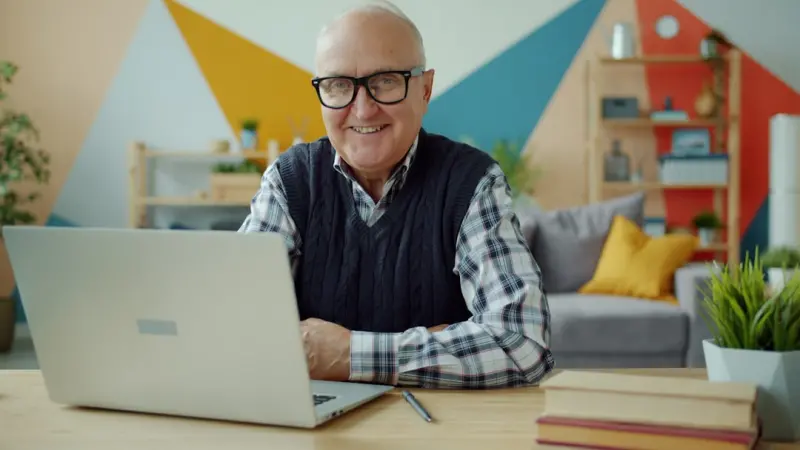
Why Remote Health Coaching Is the Missing Piece in Senior Wellness
When I first stepped into a senior center as a volunteer, I expected to find a community of seasoned storytellers, chess masters, and garden enthusiasts. What I discovered, however, was a silent frustration bubbling beneath the surface—a feeling that the modern health system, with its emphasis on in‑person appointments and rigid schedules, simply wasn’t built for the way seniors live today. The solution? A quiet, tech‑driven partnership that brings expert guidance right into the living room: remote health coaching.
From Skeptic to Advocate: My Personal Journey
Like many of my peers, I was initially skeptical. “I’m not a tech person,” I would mutter while fumbling with my first smartwatch. Yet, after watching a friend’s mother use a video call to adjust her medication plan on the spot, I realized that the barrier wasn’t technology—it was the mindset that health support had to be “face‑to‑face.” The shift from occasional clinic visits to a continuous, personalized dialogue has transformed how I view aging, autonomy, and wellbeing.
What Exactly Is Remote Health Coaching?
Remote health coaching is a structured, evidence‑based program where certified coaches—often nurses, dietitians, physiotherapists, or fitness specialists—connect with clients via video, phone, or secure messaging. The core of the model is proactive guidance rather than reactive treatment. Coaches help seniors:
- Set realistic health goals (e.g., walking 3,000 steps a day, reducing sodium intake).
- Track progress with wearables or simple log sheets.
- Adjust lifestyle habits based on real‑time data.
- Navigate the complex web of medications, appointments, and insurance.
The result is a partnership that respects the senior’s experience while supplementing it with current scientific insights.
Why Seniors Are Perfect Candidates for Remote Coaching
Age is not a monolith. Today’s seniors are tech‑savvy, socially connected, and eager to maintain independence. Remote coaching aligns perfectly with their preferences for:
- Convenience: No need to schedule a taxi or rely on family members to get to a clinic.
- Privacy: Conversations happen in familiar surroundings, reducing anxiety.
- Flexibility: Sessions can be brief—10‑minute check‑ins fit into a morning coffee routine.
- Continuity: Coaches can observe trends over weeks, catching subtle shifts before they become crises.
The Science Behind the Success
Research in behavioral medicine consistently shows that regular, low‑intensity contact improves adherence to health regimens. When seniors receive a gentle nudge—a reminder to stand up, a quick breathing exercise, or a question about water intake—they’re more likely to act. This principle mirrors the “micro‑break” concept that’s been a game‑changer for younger professionals, but with a twist: the focus is on longevity and quality of life, not productivity.
Moreover, remote coaching leverages data from wearables, blood pressure cuffs, and glucose monitors. By feeding these metrics into a cloud platform, coaches can spot patterns. For example, a subtle rise in nighttime blood pressure could signal sleep apnea, prompting a referral before a heart event occurs.
Integrating Technology Without Overwhelming
One of the biggest concerns seniors voice is “I’m not good with gadgets.” The answer lies in human‑centred design. Choose devices that are:
- One‑button or voice‑activated.
- Large‑display, high‑contrast screens.
- Battery‑friendly, with minimal charging cycles.
Pair the hardware with a home environment that encourages use. A dedicated charging station on a nightstand, a tablet on a kitchen counter for meal‑planning, or a wall‑mounted monitor that displays daily step goals—all these small touches make technology feel like a natural extension of daily life.
Case Study: Mrs. Alvarez’s Path to Mobility
Mrs. Alvarez, 78, had been battling limited mobility after a minor stroke. Traditional physiotherapy required her to travel twice a week, a daunting task given her limited driving options. Through a remote physiotherapy program, her coach sent her a set of resistance bands, demonstrated exercises via video, and used a simple mobile app to track her range of motion. Within eight weeks, she reported:
- Improved confidence in walking without a cane.
- Reduced pain in her right shoulder.
- Increased social engagement, as she could now attend community events.
Her story underscores how remote coaching can complement in‑person therapy, delivering continuity where logistics fall short.
Addressing the Emotional Side: Loneliness, Anxiety, and Purpose
Health isn’t just physical. Seniors often grapple with isolation, especially when families are dispersed across the country. Remote coaches serve as regular touchpoints, offering a listening ear and mental health resources. By integrating brief mindfulness exercises, gratitude journaling, or even guided storytelling, coaches help seniors cultivate a sense of purpose.
One technique gaining traction is “virtual buddy systems.” A senior pairs with another participant for weekly video chats, sharing progress, recipes, and life lessons. The accountability boost is measurable: participants report higher adherence to exercise routines and lower depressive scores.
Cost‑Effectiveness: A Win‑Win for Families and Insurers
From a financial perspective, remote coaching can reduce hospital readmissions, emergency room visits, and unnecessary medication changes. A typical program costs a fraction of a hospital stay and can be covered under many Medicare Advantage plans or supplemental health insurance policies. By presenting data on reduced utilization, families can negotiate better coverage, turning health coaching into a strategic investment rather than an expense.
How to Get Started: A Step‑by‑Step Blueprint
- Assess Needs: Identify the primary health concerns—mobility, nutrition, chronic disease management, or mental wellbeing.
- Choose a Credentialed Coach: Look for certifications, background checks, and testimonials. Many reputable organizations provide a directory of vetted coaches.
- Set Up Technology: Select a user‑friendly device (tablet, smartphone, or dedicated health hub). Ensure a stable internet connection.
- Define Goals: Work with the coach to create SMART (Specific, Measurable, Achievable, Relevant, Time‑bound) objectives.
- Schedule Regular Check‑Ins: Consistency is key. Even a brief weekly session creates momentum.
- Track Progress: Use simple charts or built‑in app dashboards. Celebrate milestones—no matter how small.
- Iterate: Adjust the plan based on data, feedback, and evolving health status.
The Role of Physiotherapy in Remote Coaching
Physical therapy isn’t limited to clinic walls. The Physiotherapy Roadmap for Long COVID Recovery demonstrates how structured, remote exercises can accelerate recovery for a range of conditions—not just post‑viral syndromes. By integrating physiotherapy protocols into a broader coaching framework, seniors gain a cohesive plan that addresses strength, balance, and functional independence.
Beyond the Couch: Community Integration
Remote coaching shines brightest when it taps into local resources. Coaches can coordinate with senior centers, faith groups, or neighborhood walking clubs, turning virtual recommendations into tangible community experiences. For instance, a coach might suggest a weekly “Senior Stroll” at the nearby park, then use the data from wearable step counters to log participation and reward consistency.
Potential Pitfalls and How to Avoid Them
- Technology Overload: Start with one device and one app. Expand only when confidence grows.
- Data Privacy Concerns: Choose platforms that are HIPAA‑compliant and explain privacy policies clearly.
- Coach Compatibility: Not every coach’s style will click. Encourage trial sessions to assess fit.
- Over‑Reliance on Remote Interaction: Blend virtual sessions with occasional in‑person check‑ups to maintain a well‑rounded approach.
Looking Ahead: The Future of Senior Health
Imagine a world where every senior has a “health concierge”—a virtual ally who knows their medical history, preferences, and goals, and who can instantly pull in specialists, schedule appointments, and adjust plans on the fly. Artificial intelligence will soon augment human coaches, providing predictive insights that preempt health crises. Yet, the heart of the model remains human connection: a caring voice reminding you to stretch, a gentle push to hydrate, and a celebration of each small victory.
In my own life, remote health coaching has shifted the narrative from “I’m aging” to “I’m evolving.” It’s not about denying the challenges of later life; it’s about embracing tools that empower us to meet those challenges head‑on, with confidence, dignity, and a sense of partnership.
If you or a loved one are curious about how remote health coaching could fit into your routine, start small. Schedule a discovery call with a reputable coach, test a single wearable, and watch how the ripple effects cascade—improved sleep, better mobility, brighter mood, and ultimately, a richer, more vibrant senior chapter.

William Roy is a freelance writer originally from Montreal who moved to Ottawa with his wife of 50 years to be closer to their grandkids. Alongside his writing, William has a passion for fishing.
Related Posts
How Senior Volunteerism Supercharges Physical and Mental Well‑Being
Volunteering offers seniors a powerful blend of physical activity, mental stimulation, and social co... Read More
How Rhythm and Music Can Revitalize Senior Health
Explore the transformative power of music for seniors, from walking to beats to choir singing, and l... Read More
Reimagining Retirement: Intergenerational Skill Swaps for Senior Health
A fresh look at senior health: intergenerational skill swaps blend teaching, tech, and community to ... Read More
Top Posts

Navigating Life with Narcolepsy: A Holistic Approach to Wellness
Living with narcolepsy requires a comprehensive approach to management. Learn how a holistic approach to health can improve overall well-being and reduce the im...Read More

Beyond the Cocktail: A Holistic Journey to Liver Resilience
Explore a fresh, holistic roadmap for liver resilience that blends seasonal eating, micro‑nutrients, gentle movement, gut health, and community connection to ...Read More
Redefining Prediabetes: A Personal Journey Toward Hormonal Harmony
Tammy French shares a fresh, hormone‑focused approach to prediabetes, blending stress reduction, sleep, food synergy, movement, and community to rewrite the m...Read More
Level Up Your Glucose: Turning Blood Sugar Management into a Game
Learn how to transform blood sugar tracking into an engaging game with clear goals, instant feedback, and rewards, turning a daily chore into a motivating adven...Read More
0 Comments
Post Comment
You will need to Login or Register to comment on this post!