

From Solo Sessions to Collective Healing
When I first stepped into a bustling community gym, the sound of synchronized breathing and shared effort caught my attention. I quickly realized that the group dynamic does more than motivate—it creates a therapeutic ecosystem where each participant becomes a catalyst for another’s progress. In physiotherapy, this synergy can translate into faster pain relief, improved motor patterns, and a deeper sense of accountability. My own practice now weaves these communal threads into every treatment plan.
The Science Behind Shared Movement
Research shows that observing others perform a movement activates mirror neurons, priming the brain for similar actions. This neuro‑plastic response is especially potent for patients recovering from stroke or chronic musculoskeletal injuries. By embedding patients in a group setting, we amplify the brain’s natural rehearsal mechanisms, turning passive observation into active relearning. The result is a measurable boost in motor retention that solo sessions often struggle to achieve.
Building Trust Through Peer Support
Trust is the cornerstone of any therapeutic relationship, and peer support accelerates its formation. When a newcomer sees a veteran conquer the same hurdle, fear dissolves and confidence builds. I’ve witnessed participants exchange tips on breath control, posture, and pacing, creating a living manual that evolves with the group. This communal knowledge bank often fills gaps that even the most thorough clinician‑led instruction can miss.
Designing Inclusive Group Protocols
Effective group physiotherapy demands thoughtful structuring to accommodate varying abilities. I start each session with a brief assessment, then segment the class into adaptable stations—each offering a scaled challenge. Clear visual cues, gentle verbal prompts, and timed rotations keep the flow smooth while ensuring safety. The key is flexibility: the protocol must stretch or ease based on real‑time feedback without compromising the therapeutic goal.
Integrating Technology Without Losing the Human Touch
While I champion community, I also recognize the power of digital tools to enhance group cohesion. Simple wearables track movement symmetry, feeding live data back to the class so participants can see collective progress. Yet I always temper tech with personal interaction, reminding the group that the numbers are just a guide, not the destination. For more on blending tech with therapy, explore Reimagining Physiotherapy for insights on virtual care.
Micro‑Movement Practices as a Group Warm‑Up
Before diving into larger functional drills, I lead the team through micro‑movement sequences that prime joint stability and proprioception. These tiny, deliberate motions are easy for all skill levels yet profoundly effective at awakening dormant neuromuscular pathways. When practiced together, the subtle rhythm creates a shared pulse that syncs the nervous system across the room. To explore this concept further, see Micro‑Movement Mastery for a deep dive.
Addressing Chronic Pain Through Shared Narrative
Chronic pain is as much a story as it is a symptom, and hearing others narrate their journeys reshapes perception. In group settings, patients exchange coping strategies, demystify flare‑ups, and collectively reframe pain as a manageable experience. This narrative exchange reduces catastrophizing, a major barrier to recovery, and fosters a resilient mindset that carries beyond the clinic walls. I often notice a palpable shift in pain thresholds after just a few shared sessions.
Measuring Success: Beyond Numbers
Traditional outcomes—range of motion, strength metrics—still matter, but group physiotherapy adds qualitative markers like community satisfaction and perceived empowerment. I capture these insights through brief post‑session surveys, tracking shifts in confidence, motivation, and social connection. Over time, the data reveal a pattern: patients who report higher belonging scores also exhibit superior functional gains. This dual‑lens approach validates the holistic impact of collective rehab.
Future Horizons: Scaling Community Rehab
The next frontier lies in expanding these community hubs beyond brick‑and‑mortar spaces. Pop‑up sessions in parks, workplace wellness labs, and hybrid online‑offline formats can democratize access, especially for underserved populations. By training local champions to lead sessions, we create a ripple effect that sustains therapeutic momentum long after the initial program ends. In my view, the true power of physiotherapy will be measured not just in healed bodies, but in thriving, interconnected communities.

Related Posts
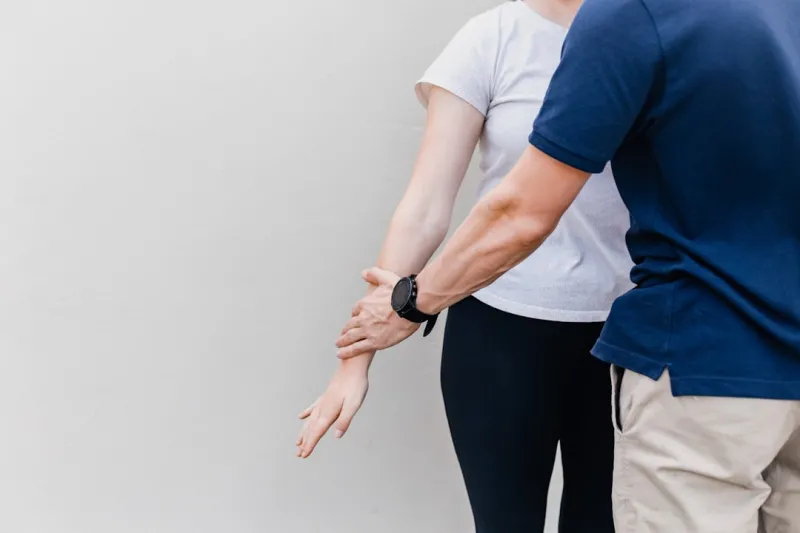
How Holistic Physiotherapy Transforms Everyday Life
I share my journey of turning physiotherapy into daily wellness, blending movement, breath, and mind... Read More

Tech‑Infused Physiotherapy: How Wearables, AI, and VR Are Redefining Recovery
Explore the future of physiotherapy with wearables, AI analysis, and VR rehab, and learn practical s... Read More
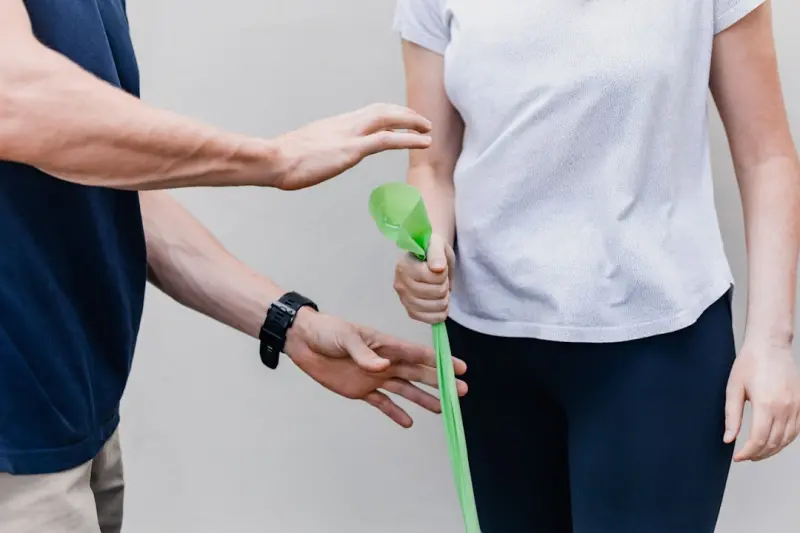
Micro‑Interventions: A Physiotherapy Playbook for Remote Workers
Learn how brief, evidence‑based micro‑interventions can combat digital fatigue, improve posture,... Read More
Top Posts

Seasonal Food Synergy: Aligning Your Plate with Nature’s Calendar for Better Health
Eating with the seasons provides a natural boost to immunity, mood, and energy. Learn practical tips, nutrient guides, and the science behind seasonal food syne...Read More

Tailoring Health Coverage for the Modern Freelancer
Freelancers face unique health insurance challenges. This guide breaks down jargon, highlights flexible plan options, and offers a step‑by‑step roadmap to s...Read More

Unlocking the Secrets of Gut Health: A Holistic Approach to Wellness
Gut health plays a critical role in overall wellness, influencing digestion, immune function, mental clarity, and mood. Learn how to support a healthy gut micro...Read More

Silent Nights, Stolen Days: How Sleep Apnea Undermines Your Work Performance
Sleep apnea isn’t just a health issue—it’s a silent productivity killer. Discover its impact on cognition, the workplace, and practical strategies to dete...Read More
0 Comments
Post Comment
You will need to Login or Register to comment on this post!