
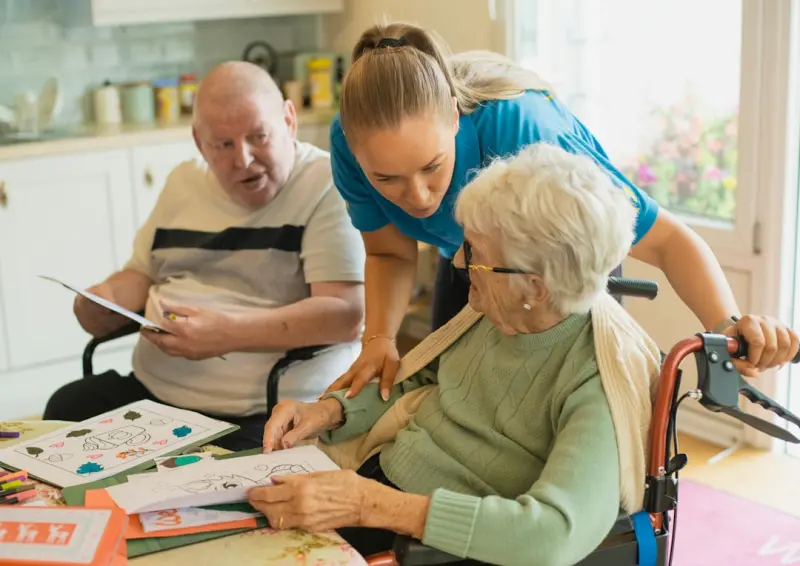
When I first stepped into the community garden at my local senior center, I expected to be the one receiving help. Instead, I found myself handing out seeds, sharing stories, and, most surprisingly, feeling a surge of energy I hadn’t felt in years. Volunteering isn’t just a feel‑good pastime; it’s a powerful catalyst for physical stamina, mental sharpness, and emotional resilience for seniors.
Why Volunteering Works: The Science Behind the Surge
Researchers have long linked purposeful activity with healthier aging. When seniors engage in volunteer work, they experience a cascade of physiological benefits:
- Cardiovascular boost: Light to moderate activity—whether it’s setting up tables, walking patients to appointments, or tending garden plots—keeps the heart pumping, improves circulation, and lowers blood pressure.
- Cognitive activation: Planning, problem‑solving, and learning new tasks stimulate neural pathways, much like a mental workout. This can slow age‑related decline and improve memory recall.
- Hormonal harmony: Acts of kindness trigger the release of oxytocin and endorphins, reducing cortisol (the stress hormone) and fostering a sense of belonging.
- Social immunity: Regular interaction combats loneliness, a known risk factor for depression, dementia, and weakened immune response.
These mechanisms work together, creating a feedback loop where the more you give, the better you feel, and the better you feel, the’re more inclined to give.
Choosing the Right Volunteer Role for Your Body and Mind
Not every volunteer opportunity is created equal, and the best fit depends on personal health status, interests, and mobility. Here are three categories that tend to offer the most holistic benefits for seniors:
- Physical‑focused roles: Activities that keep you moving—like assisting with a local food pantry, participating in a community clean‑up, or leading a walking group—provide consistent aerobic exercise without the pressure of a gym environment.
- Mentorship and teaching: Sharing expertise—whether it’s tutoring elementary students, teaching basic computer skills, or guiding younger volunteers—keeps the brain active and reinforces a sense of purpose.
- Creative and therapeutic tasks: Engaging in art projects, music therapy sessions, or crafting workshops blends fine motor activity with emotional expression, supporting both dexterity and mood.
When selecting a role, consider the small daily habits that already keep you thriving and look for volunteer tasks that naturally extend those practices. For instance, if you already enjoy a morning walk, a local park clean‑up aligns perfectly with your routine.
Building a Volunteer Routine Without Overwhelm
Just as the concept of micro‑habits teaches us to start small, a sustainable volunteer schedule should begin with manageable commitments:
- Start with a single shift: One two‑hour block per week is enough to gauge energy levels and logistics.
- Set realistic expectations: Communicate your availability clearly with coordinators; they’ll appreciate honesty and adjust tasks accordingly.
- Pair with a buddy: Volunteering alongside a friend or fellow senior adds accountability and makes the experience socially richer.
- Reflect and adapt: After a month, assess how your body feels, how your mind is responding, and whether you’d like to increase frequency or shift focus.
This incremental approach prevents burnout and ensures that volunteering becomes a joyful addition, not a stressful obligation.
Success Stories: Real‑World Impact on Senior Health
Consider Margaret, an 82‑year‑old former schoolteacher who began tutoring local children in reading. Within three months, she reported sharper memory, lower blood pressure, and an unexpected reduction in her chronic knee pain—likely a result of the gentle walking she does between classrooms.
Then there’s Carlos, a retired electrician who volunteers at a community repair shop. The hands‑on work keeps his fine motor skills honed, and the collaborative environment has lifted his mood, reducing his reliance on sleep medication.
These anecdotes echo larger studies: seniors who volunteer regularly are up to 30% less likely to develop functional limitations and experience a slower rate of cognitive decline. The data isn’t just numbers; it’s a testament to the transformative power of purposeful engagement.
Integrating Volunteer Work With Existing Health Strategies
If you already follow a health plan—whether it’s a nature‑based activity routine, a nutrition regimen, or a medication schedule—volunteering can complement and amplify those efforts.
For example, a senior who practices daily mindfulness can incorporate brief meditation moments before or after a volunteer shift, enhancing the stress‑reduction benefits. Similarly, a balanced diet rich in antioxidants can support the increased physical demand of volunteering, aiding recovery and energy levels.
Speak with your healthcare provider about your volunteering plans. They can help you adjust activity intensity, suggest supportive supplements, or recommend specific roles that align with any medical considerations.
Overcoming Common Barriers: Accessibility, Transportation, and Confidence
Many seniors hesitate to volunteer due to perceived obstacles. Here are practical solutions:
- Transportation: Look for organizations that offer shuttle services, partner with rideshare programs for seniors, or locate opportunities within walking distance of your home.
- Physical limitations: Seek roles that accommodate seated work, adaptive tools, or assistive devices. Many nonprofits welcome volunteers who can contribute through phone calls, administrative assistance, or virtual mentoring.
- Confidence gaps: Remember that expertise gained over a lifetime is valuable. Even if you’re learning a new skill, the willingness to grow is what matters most.
- Technology concerns: Many volunteer platforms now have simple, senior‑friendly interfaces. If you need a hand, ask a family member or a volunteer coordinator for a quick walkthrough.
Measuring the Impact: Tracking Your Health Gains
To truly understand how volunteering benefits you, consider keeping a simple log:
- Physical metrics: Record steps taken, any changes in blood pressure, weight, or joint discomfort after each shift.
- Mental markers: Note mood ratings, memory recall tests (like remembering a short list of words), and stress levels.
- Social indicators: Count new connections made, frequency of social outings, and feelings of belonging.
Reviewing these data points every month can reveal patterns—perhaps you notice that Monday’s garden work leads to higher energy on Wednesdays, or that mentoring improves your short‑term memory. This evidence not only motivates you but also provides tangible feedback to share with healthcare professionals.
Creating a Community of Senior Volunteers
When seniors band together around a common cause, the ripple effect multiplies:
- Peer support: Sharing experiences helps individuals stay motivated and troubleshoot challenges.
- Collective advocacy: A group of engaged seniors can influence local policy, push for age‑friendly infrastructure, and attract funding for senior‑focused programs.
- Intergenerational bridges: Collaborative projects that pair seniors with younger volunteers foster mutual learning and break down age stereotypes.
If your area lacks a senior volunteer network, consider starting one. Host a coffee meeting at your community center, post flyers, and reach out to local nonprofits. The act of organizing itself is a powerful health booster—planning, outreach, and execution engage both mind and body.
Final Thoughts: Embrace the Gift of Giving
Volunteering isn’t a lofty, one‑off endeavor reserved for the exceptionally fit. It’s a flexible, inclusive pathway that can be tailored to any ability level, interest, or schedule. By weaving purposeful service into daily life, seniors can experience stronger hearts, sharper minds, and richer social tapestries—all while making a lasting impact on their communities.
So the next time you hear about a local charity needing hands, think of it as an invitation to a healthier, more vibrant version of yourself. Step forward, give a little, and watch the extraordinary benefits return to you in ways you never imagined.

Jessica Hall is a dynamic freelance writer based in the vibrant city of London, Ontario. As a dedicated single mom, she expertly juggles the demands of parenthood with her passion for storytelling, crafting compelling narratives that resonate with readers. With a background in retail, Jessica brings a unique perspective to her writing, infusing her work with insights drawn from her experiences
Related Posts

Connected Yet Independent: How Tech‑Driven Social Networks Empower Seniors
Discover practical strategies that combine purpose‑driven online groups, voice‑assistant safety ... Read More
The Community Garden Prescription: Boosting Senior Health Through Shared Green Spaces
A community garden offers seniors a holistic health solution—combining gentle exercise, nutritious... Read More
Finding New Energy: How Seniors Can Thrive Through Community Gardening
Explore the holistic benefits of community gardening for seniors—improved mobility, sharper cognit... Read More
Top Posts

Beyond the Cuff: Unconventional Levers to Tame Your Blood Pressure
A holistic guide reveals how tiny daily tweaks, mindful tech use, temperature therapy, and social support can reshape blood pressure, offering sustainable, drug...Read More
Nature Immersion: A Fresh Path to Boost Brain Power
Learn practical, science‑backed ways to weave nature into your daily routine, enhancing cognition, mood, and resilience—all in just minutes a day....Read More
Neuro‑Hygiene: A Daily Playbook for Brain Health
A practical guide to daily neuro‑hygiene, offering micro‑recovery breaks, focused learning sprints, and environment‑based reset zones that together protec...Read More

Sarah Gray’s Holistic Muscle‑Gain Blueprint: Real Results Without Burnout
Sarah Gray shares her proven, holistic muscle‑gain strategy, covering nutrition, sleep, smart training, and stress management for lasting, real results....Read More
0 Comments
Post Comment
You will need to Login or Register to comment on this post!