
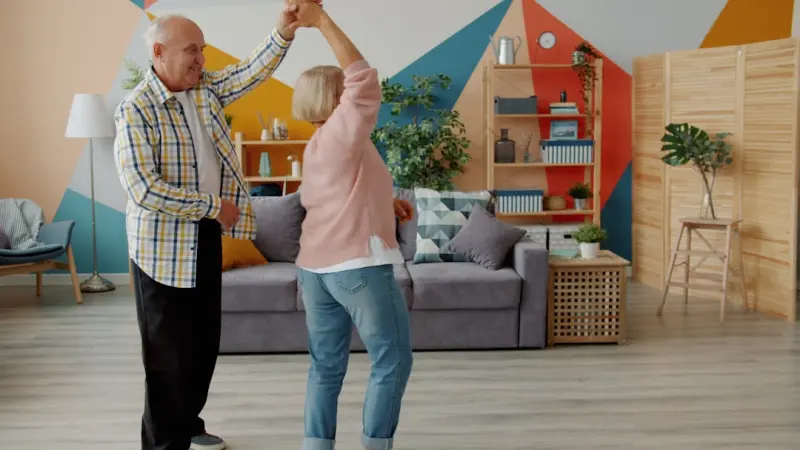
When I first walked into a senior community center for a speaking engagement, I expected a room full of stories about retirement plans and garden yields. What I found instead was a chorus of curiosity about something far more unexpected: the power of everyday sound. From the gentle clink of a tea cup to the low hum of a favorite playlist, seniors are discovering that sound isn’t just background noise—it’s a catalyst for sharper thinking, steadier hearts, and a deeper sense of belonging.
The Science Behind Sound and Aging
Modern neuroscience tells us that the brain remains plastic—capable of forming new connections—throughout life. While many studies focus on visual or physical stimuli, auditory input is a surprisingly potent driver of neural health. When we hear music or rhythmic patterns, the brain releases dopamine, a neurotransmitter linked to pleasure, motivation, and learning. Dopamine doesn’t just make us feel good; it also supports the formation of new synaptic pathways that can counteract age‑related cognitive decline.
Moreover, rhythmic sound can entrain physiological processes. A steady beat can lower heart rate, stabilize blood pressure, and improve respiration. This is why practices like chanting, drumming circles, and even guided breathing set to a metronome are gaining traction in senior wellness programs.
Why Seniors Are Perfect Candidates for Auditory Wellness
- Time Flexibility: Retired life often means fewer rigid schedules, making it easier to integrate short sound‑based practices throughout the day.
- Low Impact: Listening or humming requires no joint strain, which is ideal for those with arthritis or limited mobility.
- Social Connectivity: Group listening sessions foster community, reducing the isolation that many seniors face.
- Accessible Technology: From simple radios to smartphone apps, the tools needed are increasingly affordable and user‑friendly.
All these factors converge to make auditory wellness a low‑barrier, high‑reward addition to any senior’s health toolkit.
Three Practical Sound Strategies for Everyday Life
1. The “Morning Bell” Ritual
Start each day with a brief, intentional listening session. Choose a piece of music that feels uplifting—perhaps a classic big band tune or a soft piano melody. Play it at a comfortable volume for 3–5 minutes while you sip coffee or stretch gently.
This simple habit does more than set a positive tone. The rhythmic structure of music can activate the brain’s reticular activating system, which improves alertness and primes the mind for learning. Over weeks, you’ll notice a smoother transition from sleep to wakefulness and a subtle boost in mood.
2. “Heartbeat Sync” Breathing
Take advantage of the natural link between rhythm and heart rate. Sit comfortably, close your eyes, and place a hand on your chest. Begin a slow inhale for four counts, hold for two, then exhale for six. As you breathe, tap a finger on your thigh in time with a soft metronome (or a favorite song’s beat) set to 60 beats per minute—the average resting heart rate.
This practice, sometimes called “cardiac coherence,” has been shown to reduce stress hormones and improve autonomic balance. For seniors, the benefits translate into steadier blood pressure and a calmer nervous system.
3. “Story Soundtracks” for Cognitive Exercise
Combine reminiscence therapy with auditory stimulation. Choose a beloved old radio drama, a classic movie soundtrack, or even a nature soundscape. As you listen, pause every few minutes to recall details: Who was speaking? What was the setting? What emotions did the scene evoke?
This active engagement forces the brain to retrieve memories, strengthening neural pathways associated with episodic memory. It also encourages conversation when shared in a group, further amplifying the social benefits.
Integrating Sound with Existing Health Practices
Sound therapy isn’t meant to replace established health routines; it’s a complementary layer. For example, if you already track blood pressure, consider pairing your readings with a brief listening session. A study on real‑time biofeedback showed that even a minute of calming music before a measurement can produce a measurable dip in systolic pressure.
Similarly, if you follow a set of tiny daily hacks for cardiovascular health, adding a nightly “sound wind‑down” can enhance sleep quality, which in turn supports heart health.
Choosing the Right Audio: Quality Over Quantity
Not all sounds are created equal. Here are a few guidelines to maximize benefit:
- Frequency Range: Opt for music that spans a comfortable mid‑range (around 500–2,000 Hz). Very high or low frequencies can become harsh for aging ears.
- Complexity: Moderate complexity—think melodic but not overly intricate—keeps the brain engaged without overwhelming it.
- Familiarity: Songs from your youth or early adulthood tend to elicit stronger emotional responses, which boost dopamine release.
- Volume: Keep it at a level that allows conversation without shouting. Prolonged exposure to loud sound can accelerate hearing loss.
Tech Tips for the Not‑So‑Tech‑Savvy
Many seniors worry that “tech” equals complexity, but the reality is kinder. Here are three user‑friendly tools:
- Smart Speakers: Devices like Amazon Echo or Google Nest respond to simple voice commands (“Play my jazz playlist”). Set up a “daily routine” that automatically starts music at a chosen time.
- Dedicated Music Apps: Services such as Spotify or Apple Music have “Senior Playlists” curated for calm, nostalgic, or upbeat moods. They also allow you to download tracks for offline listening—great for limited internet bandwidth.
- Bluetooth‑Enabled Speakers: Portable speakers can be taken to the garden, dining room, or bedroom, eliminating the need to lug around large audio equipment.
Overcoming Common Barriers
Hearing Loss: If you struggle to hear certain frequencies, consider using a hearing aid that pairs with a Bluetooth source. Many modern aids stream directly from smartphones, ensuring crisp audio without extra devices.
Self‑Consciousness: Some seniors feel embarrassed about “singing in the shower” or tapping along to a beat. The key is to reframe these actions as “brain workouts.” Group sessions can also normalize the behavior, turning it into a shared activity.
Routine Fatigue: Adding new habits can feel overwhelming. Start with the smallest step—a 2‑minute listening break after breakfast. Consistency beats intensity when building lasting habits.
Success Stories: Real‑World Impact
At a community center in Portland, a pilot program introduced a 10‑minute “Sound Circle” each morning. Participants rotated choosing a song that held personal significance, then discussed the memories it sparked. Within six weeks, staff recorded a 15% improvement in participants’ self‑reported mood scores and a modest reduction in average blood pressure readings.
Another case involved a senior living facility that integrated “heartbeat sync” sessions before lunch. Residents reported feeling less anxious during meals, leading to better appetite and, consequently, improved nutrition.
Putting It All Together: A Sample Weekly Schedule
| Day | Morning (5 min) | Afternoon (3 min) | Evening (5 min) |
|---|---|---|---|
| Monday | Morning Bell – Classic Swing | Heartbeat Sync – Metronome | Story Soundtrack – Radio Drama |
| Tuesday | Morning Bell – Soft Piano | Heartbeat Sync – Nature Sounds | Story Soundtrack – Old Movie Score |
| Wednesday | Morning Bell – Jazz Standards | Heartbeat Sync – Metronome | Story Soundtrack – Folk Ballads |
| Thursday | Morning Bell – Gospel Choir | Heartbeat Sync – Nature Sounds | Story Soundtrack – Classic Poetry Recital |
| Friday | Morning Bell – Favorite Pop Hits | Heartbeat Sync – Metronome | Story Soundtrack – Family Stories (recorded) |
| Saturday | Group Sound Circle – Residents Choose | Free | Relaxing Ambient Music |
| Sunday | Spiritual Hymns (if desired) | Free | Quiet Nature Soundscape |
This template is flexible. Adjust timings, genres, or frequencies based on personal preference and feedback. The goal is consistency, not perfection.
Final Thoughts: Sound as a Lifelong Ally
Our bodies and minds are tuned to rhythm. By intentionally weaving sound into daily life, seniors can tap into a natural, scientifically backed resource that supports cognition, cardiovascular health, and emotional well‑being. The best part? You don’t need a gym membership, a fancy supplement, or a medical prescription—just a song you love, a beat you can feel, and a willingness to listen.
So next time you reach for the remote, pause and ask yourself: “What story does this melody want to tell my brain today?” The answer might just be the soundtrack to a healthier, happier chapter of life.

Brody Lambert is an emerging freelance writer whose fresh voice and thoughtful approach are quickly making their mark. As a fairly new entrant in the world of freelance writing, Brody brings a blend of curiosity and dedication that fuels every project, crafting stories and content that resonate with authenticity and clarity.
Related Posts

Tech-Enabled Trails: How Smart Outdoor Gear Is Redefining Senior Wellness
Smart outdoor gear transforms senior walks into safe, health‑tracking, and socially connected adve... Read More
Tiny Trips, Big Benefits: A Senior’s Guide to Micro‑Adventures
Micro‑adventures—short, low‑barrier outings close to home—offer seniors a powerful blend of ... Read More

Forest Bathing for Seniors: A Gentle Path to Vitality and Calm
Forest bathing offers seniors a low‑impact, science‑backed way to improve immunity, reduce stres... Read More
Top Posts
The Importance of Mental Health in Seniors: A Holistic Approach
Mental health is critical for seniors' overall health. Learn about the challenges they face, such as social isolation and chronic illness, and strategies for pr...Read More

Cold‑Thermal Detox: Harnessing Contrast Therapy for Executive Resilience
Contrast therapy, the practice of alternating hot and cold exposure, offers a low‑tech, high‑impact method for executives to detoxify, improve circulation, ...Read More
Living Through Sleep Terrors: A Holistic Blueprint for Nighttime Peace
Paul Gray shares his personal journey from night‑time panic to restorative sleep, offering a holistic blueprint that merges nutrition, movement, and emotional...Read More

The Unspoken Ritual: How Vaping Shapes Our Daily Micro‑Moments
Vaping silently infiltrates our daily micro‑moments, turning idle pauses into habit loops. This article uncovers the psychological triggers, social cues, and ...Read More
0 Comments
Post Comment
You will need to Login or Register to comment on this post!