
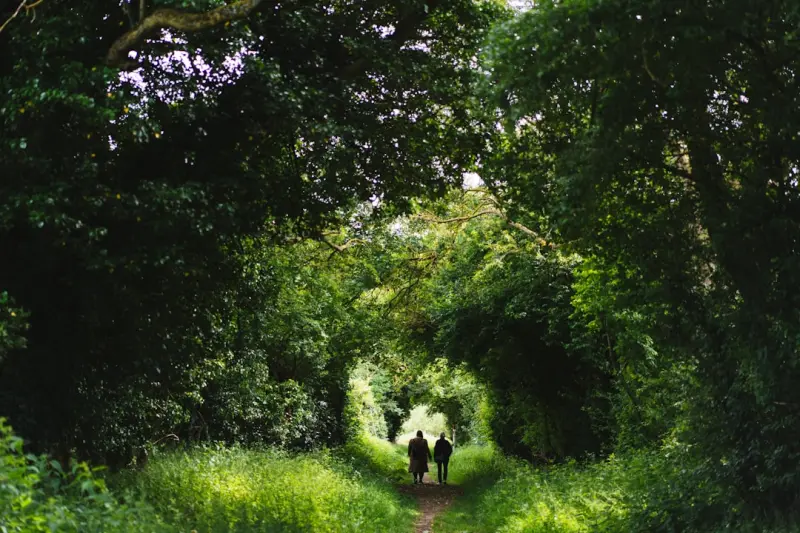
Why the Woods Call Seniors by Name
When I first stepped onto a moss‑covered trail at the age of sixty‑seven, I expected a gentle walk, perhaps a chance to stretch my legs. What I didn't anticipate was the profound sense of belonging that seemed to greet me from the trees themselves. The scent of pine, the whisper of wind through leaves, and the soft crunch of fallen bark underfoot created a quiet dialogue that spoke directly to my nervous system. This experience is the essence of forest bathing—a Japanese practice called shinrin‑yoku that invites us to soak in the atmosphere of a forest, not by hiking for miles, but by simply being present in the natural world.
The Science That Turns a Walk into Medicine
Decades of research now show that spending time in forests triggers measurable physiological changes. Phytoncides—tiny, aromatic compounds released by trees—have been shown to boost natural killer cell activity, a key component of the immune system. Simultaneously, exposure to green spaces lowers cortisol, the stress hormone, and reduces heart rate and blood pressure. For seniors, whose immune response and cardiovascular health are often on the decline, these subtle shifts can translate into fewer colds, improved circulation, and a calmer mind.
While many articles focus on high‑intensity exercise or dietary hacks, the beauty of forest bathing is its low‑impact nature. You don't need a gym membership, a personal trainer, or a strict regimen. Just a willingness to pause, breathe, and notice the world around you can set off a cascade of health benefits.
Connecting the Dots: Brain Health, Memory, and Nature
One of the most compelling reasons seniors should consider forest bathing is its effect on cognition. Studies on continuous learning and brain fitness highlight that novelty and gentle mental challenges keep neural pathways alive. The forest provides both. Each leaf, bird call, and shifting light pattern offers a new stimulus that the brain must interpret, effectively serving as a natural brain‑gym.
Beyond the immediate sensory input, the restorative qualities of nature help reduce mental fatigue. When you step away from screens and daily to‑do lists, the brain can reset its default mode network, which is associated with day‑dreaming, memory consolidation, and creative insight. For seniors, this mental reset can improve short‑term memory, sharpen attention, and even delay the onset of mild cognitive impairment.
Social Roots: Turning Solo Strolls into Community Rituals
Loneliness is a silent epidemic among older adults, linked to higher rates of depression, heart disease, and mortality. Forest bathing can become a communal activity that weaves social connection into the fabric of nature. Organizing a weekly “green hour” with friends, a local senior center, or intergenerational groups transforms a solitary walk into a shared experience.
During these gatherings, conversation flows naturally—people discuss the texture of bark, the shape of clouds, or the sound of distant water. These simple topics foster authentic dialogue without the pressure of “small talk.” Moreover, the shared exposure to calming environments can deepen bonds, creating a sense of belonging that persists long after the walk ends.
Getting Started: A Step‑by‑Step Guide for Beginners
- Choose the Right Spot: Look for a local park, nature reserve, or even a well‑maintained garden. The key is greenery—trees, shrubs, and a variety of plant life.
- Set an Intention: Before you step onto the path, decide what you want to experience. It might be “I will notice three new smells” or “I will breathe deeply for five minutes.” Intentions focus the mind and amplify the benefits.
- Leave Distractions Behind: Turn off notifications, leave your phone in a pocket, or simply switch it to airplane mode. The goal is to be present, not to document.
- Engage All Senses: Look at the colors, listen to the wind, touch the bark, inhale the earthy scent, and even taste the fresh air. This multisensory engagement is what triggers the physiological response.
- Move Gently: Walk at a leisurely pace. You can even practice standing still, letting the forest’s energy flow through you. Gentle movement aligns with the concept of “micro‑movements” discussed in micro‑movements and timing, offering a low‑intensity way to keep joints supple.
- Stay Safe: Wear comfortable shoes with good traction, bring water, and let someone know where you’ll be, especially if you’re venturing off‑the‑beaten path.
Integrating Forest Bathing Into Daily Life
For seniors living in urban settings, a full‑blown forest might seem out of reach. However, the principle of immersion can be adapted. Community gardens, tree‑lined streets, or even indoor plants create micro‑forests that can be visited regularly. A fifteen‑minute pause by a park bench, watching leaves sway, can provide a dose of nature that rivals a longer trek in the woods.
Consider making forest bathing a ritual. For example, schedule a “morning mist” session on Tuesdays and a “sunset stroll” on Thursdays. Consistency reinforces the habit, and over weeks the cumulative effect on blood pressure, mood, and sleep quality becomes evident.
Measuring the Impact: Simple Tracking Tools
While the benefits of forest bathing are often felt subjectively, a few simple metrics can help you see tangible progress:
- Heart Rate Variability (HRV): Many fitness watches track HRV, an indicator of autonomic nervous system balance. An upward trend suggests better stress resilience.
- Sleep Quality: Note changes in how quickly you fall asleep and how rested you feel in the morning. Nature exposure has been linked to deeper, more restorative sleep.
- Mood Journal: Write a short entry after each session, rating stress, happiness, and clarity on a 1‑10 scale. Patterns will emerge, showing which environments or times of day work best for you.
- Immune Markers: If you have regular health check‑ups, ask your doctor about natural killer cell counts. Though not routine, some clinics can measure these as part of a holistic assessment.
Overcoming Common Barriers
Mobility Concerns: If walking is challenging, consider wheelchair‑accessible trails, or simply sit on a bench surrounded by trees. The sensory experience remains powerful.
Weather Limitations: Dress in layers and choose appropriate footwear. In colder months, a forest’s quiet stillness can be especially soothing; in summer, early mornings provide cooler, calmer conditions.
Safety Anxiety: Join a local senior walking group or ask a friend to accompany you. Many parks have designated paths that are well‑maintained and patrolled.
Perceived “Uselessness”: Some seniors may doubt the efficacy of a “simple walk.” Highlighting the research behind phytoncides, cortisol reduction, and neuroplasticity can help reframe forest bathing as a scientifically backed health practice.
Combining Forest Bathing With Other Healthy Practices
The true power of forest bathing shines when it’s integrated with other lifestyle pillars. Pairing your nature walks with a balanced diet—think seasonal, plant‑rich meals—creates a synergy that supports gut health and energy levels. While I’m not revisiting the gut‑brain axis directly, the idea that a thriving microbiome benefits mental health aligns well with the calm that nature brings.
Additionally, consider complementing forest bathing with light strength training or gentle yoga in the park. The combination of movement, breath, and natural scenery can amplify flexibility, balance, and confidence, reducing fall risk.
Stories From the Trail: Real Voices, Real Change
Maria, 72, shared that after a month of weekly forest sessions, her blood pressure dropped from 138/85 to 124/78. She attributes the change to “the peace I feel among the trees; it melts away my worries.”
John, 68, joined a local senior gardening club. He reported that the social aspect of meeting fellow green‑thumbs “kept me smiling and thinking, even on days when my arthritis flared.” He also noticed an improvement in his memory, recalling details of his grandchildren’s school events without notes.
These anecdotes echo a growing body of evidence: nature is not a luxury but a therapeutic resource, especially for those navigating the complexities of aging.
Future Horizons: The Growing Movement of Senior‑Centric Nature Programs
Municipalities are beginning to recognize the value of green spaces for older adults. Some cities now offer “Senior Forest Days,” free guided walks, and even transportation services to nearby nature reserves. These initiatives echo the broader public health trend toward “prescribing nature,” where physicians write “spend 30 minutes in a green space twice a week” as part of a wellness plan.
As we look ahead, the integration of technology and nature may also evolve. While I have previously discussed the importance of staying tech‑savvy for seniors, the next frontier could involve simple wearable devices that remind you to breathe, track HRV during forest sessions, and suggest optimal times based on your personal data—bridging the best of both worlds without overwhelming the user.
Closing Thoughts: A Gentle Invitation
In the hustle of modern life, it’s easy to overlook the simple, timeless remedy that has sustained humanity for millennia: the forest. For seniors, who have amassed a lifetime of experience and wisdom, forest bathing offers a way to honor that journey while nurturing the body, mind, and spirit. It’s not a radical overhaul, but a modest, repeatable practice that can be woven into daily routines.
So, the next time you hear the rustle of leaves or feel the cool shade on a sunny afternoon, consider stepping into that green embrace. Let the trees become your silent allies, the wind your gentle coach, and the earth your supportive floor. In doing so, you’ll discover a path to vitality and calm that is as ancient as the woods themselves—and as fresh as the breath you take beneath their canopy.

Lifan Chen is a freelancer based in Toronto specializing in marketing. With expertise in crafting effective marketing strategies and campaigns, Lifan helps businesses grow their brand presence and reach target audiences. As a Toronto-based freelancer, Lifan combines local market insights with creative marketing skills to deliver tailored solutions for clients.
Related Posts
Reimagining Senior Wellness Through Community and Purpose
A fresh look at senior health: building purpose, social ties, and tech-savvy habits to enhance wellb... Read More

Smart Home, Safer Home: How Connected Tech Empowers Seniors to Age in Place
Smart home technology offers seniors a practical safety net, from motion‑activated lights and voic... Read More
The Intersection of Aging and Chronic Health Conditions: A Holistic Approach to Senior Health
A holistic approach to senior health prioritizes physical, emotional, and social needs to manage chr... Read More
Top Posts

The Hidden Power of Holistic Care in Your Baby’s First Year
A fresh, holistic perspective on infant health, blending sleep science, gut microbiome insights, and mindful nutrition to help parents give their newborns the s...Read More

Reclaiming Rest: How Light, Rhythm, and Design Beat Insomnia
A fresh, systems‑thinking approach to insomnia that blends light‑hygiene, consistent sleep rhythms, and bedroom design, offering practical steps and data‑...Read More

Your Desk as a Physiotherapy Hub: Turning Everyday Work into Movement‑Based Healing
Learn to convert your office chair into a low‑intensity physiotherapy station using movement micro‑breaks, digital posture feedback, and wearable cues, boos...Read More

Breathing Into Balance: A Mindful Path to Taming Prediabetes
Learn how mindful breathing activates the parasympathetic nervous system, reduces cortisol, and stabilizes blood sugar levels, offering a practical, data‑driv...Read More
0 Comments
Post Comment
You will need to Login or Register to comment on this post!