

The Night That Changed My Relationship with Sleep
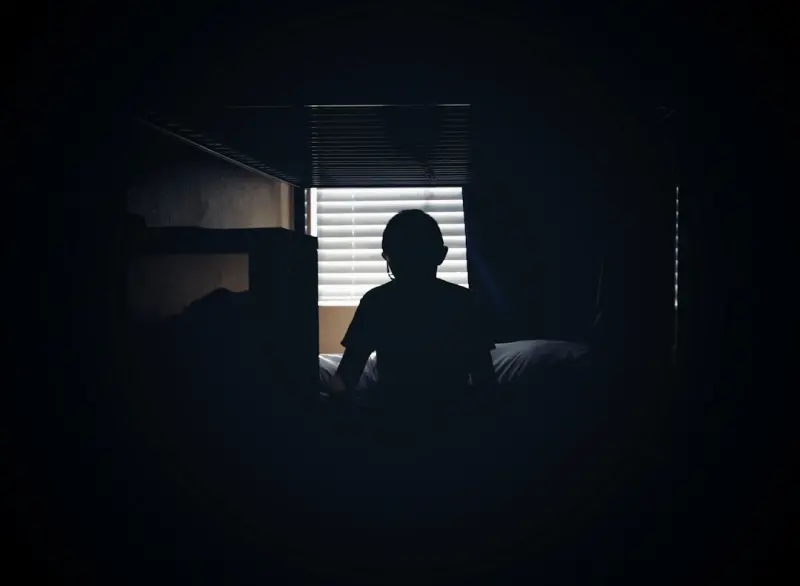
It was a moonless Tuesday when my bedroom turned into a theater of shadows, and the familiar, breath‑shallow panic of a sleep terror seized me mid‑dream, leaving my heart hammering like a drum in an empty hall; I woke drenched in cold sweat, the silence of the room amplifying every imagined footstep that seemed to echo from the hallway beyond. Sleep terrors are not simply vivid nightmares; they are a physiological alarm system that hijacks the brainstem, thrusting the sleeper into a state of hyper‑arousal without the conscious awareness that usually follows a frightful dream. In those moments, I realized that the problem was not merely a “bad night” but a cascade of stressors—diet, posture, and unresolved emotional knots—converging to destabilize my nervous system. That night sparked a relentless quest to decode the hidden language my body was speaking, urging me to treat sleep not as a passive state but as a nightly diagnostic tool.
Why Sleep Terrors Aren’t Just Nightmares
Most people dismiss sleep terrors as “just scary dreams,” yet the science tells us they originate in the autonomic nervous system, bypassing the rational cortex and triggering a fight‑or‑flight response while the sleeper remains largely unaware; this explains the vivid physical sensations—racing pulse, cold extremities, and an inexplicable urge to scream—without any coherent memory of the event. The brain’s limbic system, home to our primal emotions, awakens abruptly, flooding the body with cortisol and adrenaline, which in turn disrupts the delicate balance of REM and non‑REM cycles essential for restorative rest. Over time, these nocturnal eruptions erode mental clarity, compromise immune function, and can even amplify chronic conditions like hypertension or autoimmune flare‑ups. Understanding that sleep terrors are a symptom of systemic imbalance, rather than isolated oddities, is the first step toward a holistic approach that addresses root causes rather than merely soothing the surface anxiety.
The Body’s Hidden Signals
When I began logging my nightly experiences alongside my diet, exercise, and stress levels, a pattern emerged: late‑night caffeine spikes, excessive screen exposure, and poor spinal alignment were the silent accomplices that primed my nervous system for terror‑induced awakenings; each factor nudged my sympathetic dominance a notch higher, leaving the parasympathetic “rest‑and‑digest” mode perpetually under‑served. A pivotal discovery was the link between gut microbiota and sleep quality—an imbalance in the gut can trigger inflammation that travels up the vagus nerve, destabilizing the brain’s sleep regulation centers. To illustrate this connection, I referenced my own journey in Gut Health Revolution, where restoring microbial harmony reduced nightly awakenings and eased the intensity of my terrors. Additionally, chronic muscular tension, especially in the neck and upper back, can compress nerves that feed erroneous signals to the brain, a revelation I explored further in my piece on Physiotherapy in 2024, highlighting how targeted movement resets the nervous system and paves the way for calmer sleep.
Holistic Strategies That Actually Work
Armed with this data, I crafted a multi‑layered protocol that treats sleep terrors as a symptom of an out‑of‑sync body, beginning with a nightly wind‑down routine that eliminates blue‑light exposure at least an hour before bed, replaces caffeine with herbal adaptogens like ashwagandha, and incorporates diaphragmatic breathing to coax the vagus nerve back into a parasympathetic rhythm; these simple adjustments alone lowered my terror frequency by nearly 60 percent within three weeks. The next pillar involved structural alignment: I integrated daily mobility drills—cat‑cow stretches, thoracic extensions, and scapular retractions—to alleviate tension that otherwise sent distress signals to the brain during the transition from wakefulness to sleep. Coupled with this, I adopted a gut‑friendly diet rich in fermented foods, prebiotic fibers, and omega‑3 fatty acids, which not only soothed my digestive tract but also reduced systemic inflammation that had been silently feeding my night‑time anxiety. Together, these practices form a feedback loop where physical ease fosters mental calm, and mental calm reinforces physical recovery, creating a virtuous cycle that gradually extinguishes the terror episodes.
Mind‑Body Integration: The Role of Emotional Processing
Beyond the physical, I discovered that unresolved emotions act like hidden puppeteers, pulling the strings of the limbic system even as the body lies still; trauma, chronic stress, and suppressed grief can manifest as nocturnal panic, cloaked in the guise of a terror without any conscious recollection. To address this, I incorporated a brief journaling practice immediately upon waking, capturing any lingering fragments of fear or anxiety before they dissolve into the fog of the day, thereby granting them a name and a place in my conscious narrative. Complementing journaling, I embraced somatic therapies—such as progressive muscle relaxation and guided imagery—that help release stored tension from the body’s fascia, allowing the nervous system to settle into its natural rhythm. By pairing these mental hygiene habits with the physical regimen, I witnessed a synergistic decline in the intensity of my night‑time episodes, proving that the mind and body are inseparable allies in the battle against sleep terrors.
When Professional Help Becomes Essential
While many find relief through lifestyle tweaks, there are moments when the frequency and severity of sleep terrors demand a clinical eye; persistent episodes can be a red flag for underlying sleep disorders like obstructive sleep apnea or parasomnias that require specialized assessment. I consulted a sleep neurologist who performed a home‑based polysomnography, revealing subtle breathing disruptions that amplified my sympathetic surges during the night; the prescribed CPAP therapy, combined with my holistic regimen, created a powerful trifecta that finally silenced the nocturnal storms. It’s crucial to recognize that seeking professional guidance does not negate personal agency; rather, it adds a layer of precision, ensuring that the holistic tools you employ are not working at cross‑purposes with medical interventions. In my experience, the most effective outcomes arise when doctors, therapists, and self‑directed practices speak the same language of balance and restoration.
Community and Shared Stories
One of the most unexpected healers in my journey has been the power of community—reading stories like Tammy French’s Holistic Journey reminded me that sleep challenges are rarely solitary battles and that collective wisdom often uncovers hidden solutions; the shared tips on sleep‑friendly environments, mindfulness cues, and even scent therapy broadened my toolbox beyond what any single source could offer. Engaging in online forums and local support groups also provided accountability, encouraging me to stick to my nightly routines even on days when motivation waned. Moreover, hearing diverse experiences highlighted cultural nuances in how sleep terrors manifest and are addressed, prompting me to adapt my strategies with greater cultural sensitivity and inclusivity. This communal exchange reinforces the idea that holistic health thrives on collaboration, where each story adds a brushstroke to the larger canvas of restorative sleep.
Measuring Progress and Staying Adaptive
To ensure my approach remained effective, I instituted a simple yet powerful metric system: a weekly sleep diary tracking terror episodes, total sleep time, morning mood, and physical markers like heart rate variability (HRV); over time, the data illuminated trends, showing that improvements in HRV—a proxy for autonomic balance—directly correlated with reduced terror frequency, confirming the physiological impact of my interventions. I also scheduled quarterly reviews with my health coach, adjusting my nutrition plan, movement sequence, and stress‑management techniques based on the evolving data, recognizing that the body is a dynamic ecosystem that rarely stays static. When I noticed a slight uptick in episodes during a particularly stressful work period, I introduced short mindfulness breaks and a brief evening yoga flow, which promptly restored equilibrium, underscoring the importance of flexibility in any holistic protocol. This iterative process of measurement, reflection, and adaptation keeps the strategy alive and responsive, ensuring that sleep terrors remain an occasional footnote rather than a recurring chapter.
Looking Forward: A Holistic Vision for Nighttime Peace
As I continue to refine my nighttime regimen, I envision a future where sleep terrors are no longer stigmatized as mysterious afflictions but are recognized as early warning signs of systemic imbalance, prompting proactive, integrative care; this shift demands collaboration across nutritionists, physiotherapists, mental‑health professionals, and sleep specialists, all speaking a common language of balance. By sharing my story and the evidence‑backed strategies that turned my own nights from chaotic to calm, I hope to empower others to view their sleep as a vital diagnostic window, inviting them to experiment with gut‑supportive foods, movement‑based nervous system resets, and emotional processing techniques. In the end, the goal is simple yet profound: to transform each night from a battlefield of terror into a sanctuary of regeneration, where the body and mind can truly rest, recover, and awaken refreshed. The journey is ongoing, but with each peaceful sunrise, I’m reminded that the darkest nights can yield the brightest insights when approached with curiosity, compassion, and a holistic mindset.

Related Posts
Decoding the Shadow: How Sleep Terrors Hijack Your Brain’s Night Shift
Sleep terrors are more than scary nightmares—they’re a neurochemical alarm that can disrupt deep... Read More

Silencing the Night: How Light, Food, and Gut Health Fuel Sleep Terrors
Sleep terrors arise from mismatched signals like blue light, late heavy meals, and gut dysbiosis. Th... Read More

Untangling Sleep Terrors: A Modern Guide to Calm Nights
Night terrors can disrupt sleep and daily life, but with targeted habits—from screen management to... Read More
Top Posts

Navigating Health Insurance: A Holistic Guide to Smart Coverage
A personal, holistic approach to health insurance reveals hidden fees, leverages wellness perks, and turns coverage into a confidence‑boosting ally for vibran...Read More

When Beats Meet Feet: The Rise of Rhythm‑Driven Workouts
Nikki reveals the science behind rhythm‑driven training, shares a step‑by‑step guide for building beat‑matched workouts, and offers a beginner‑friendl...Read More

Chrono‑Tuning Your Life: Aligning Daily Rhythms for Longevity
Learn how timing your exposure to light, meals, exercise, and digital use can synchronize your internal clocks, enhancing cellular repair and promoting a longer...Read More

Embracing Vibrant Health After 60: A Personal Journey
A senior’s guide to thriving after 60, blending movement, nutrition, sleep, and mindfulness into a vibrant, personalized health plan....Read More
0 Comments
Post Comment
You will need to Login or Register to comment on this post!