
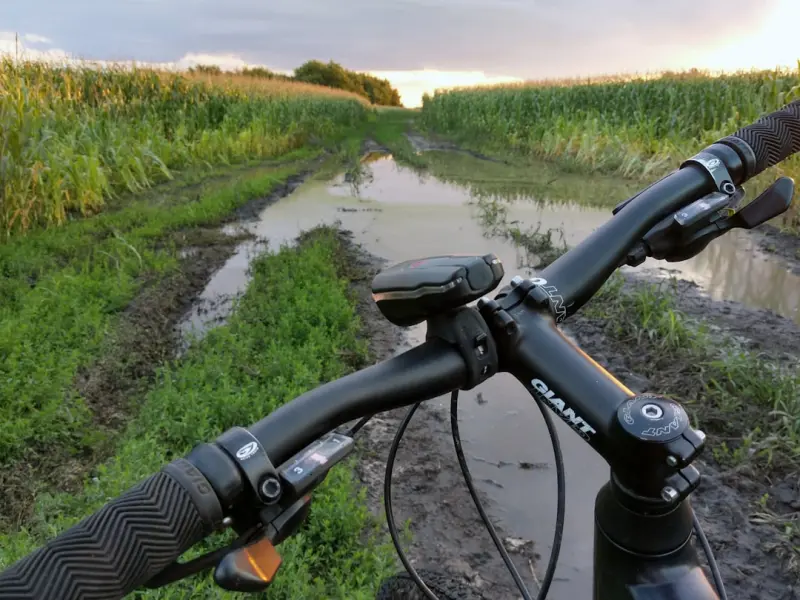
Why Smart Outdoor Gear Is the New Lifeline for Seniors
When I first strapped a GPS‑enabled walking stick to my granddad’s hand, I expected a novelty gadget. What I got instead was a quiet revolution—a blend of technology, nature, and confidence that has reshaped how older adults experience the world outside their front door. This isn’t about flashy wearables or the latest fitness app; it’s about practical, connected tools that make every stroll, hike, or park visit safer, richer, and more socially rewarding.
The Gap Between Traditional Mobility Aids and Modern Needs
For decades, mobility aids have been built around a single premise: provide physical support. Canes, walkers, and roll‑around chairs have done an admirable job of keeping seniors upright, but they often fall short when it comes to real‑time feedback, emergency response, or engagement with the environment. The result? Many older adults still feel hesitant to explore new trails, join community walks, or simply enjoy a sunrise in the park.
Enter smart outdoor gear. By marrying the sturdy, trusted designs of classic aids with sensors, connectivity, and data analytics, these devices address the three core concerns that keep seniors indoors:
- Safety: Automatic fall detection, real‑time location sharing, and SOS alerts give both users and caregivers peace of mind.
- Health Insight: Integrated heart‑rate monitors, step counters, and gait analysis turn a simple walk into a health‑tracking session.
- Social Connection: Group challenges, shared routes, and voice‑guided tours foster community without the need for constant phone juggling.
From Trailheads to City Streets: Real‑World Gear That Works
Let’s break down three categories of smart gear that are gaining traction among active seniors.
1. Connected Canes and Walkers
These aren’t just sturdy sticks. Embedded accelerometers detect sudden changes in movement, triggering an alert if a fall is suspected. Some models include a discreet speaker that can call emergency services or notify a pre‑selected contact list. The built‑in LED lights adjust brightness based on ambient conditions, ensuring visibility during dusk walks.
What sets them apart is the companion app that translates raw data into actionable insights: “Your stride length has decreased by 5% this week—consider a gentle strength routine.” The feedback loop encourages subtle adjustments, preventing larger issues down the line.
2. Smart Footwear and Insoles
Pressure‑sensing insoles track foot pressure distribution and identify imbalances that could lead to falls or joint strain. Paired with a Bluetooth‑enabled shoe, the system can suggest micro‑exercises—like ankle circles or calf raises—right when the user is most likely to be receptive, such as after a leisurely walk.
For seniors who love gardening or casual hiking, these insoles add a layer of confidence. They also log mileage and terrain type, feeding data into a personalized “activity health score” that can be shared with physicians or family members.
3. Wearable Environmental Sensors
Beyond monitoring the body, smart gear can gauge the environment. Wearable air‑quality sensors warn users when pollen counts are high or when a sudden temperature drop could increase the risk of joint stiffness. Some devices even provide UV index alerts, prompting seniors to apply sunscreen or seek shade.
Coupled with a voice‑assistant, the gear can suggest alternate routes that avoid heavily trafficked streets or poorly lit areas, making outdoor time both enjoyable and low‑risk.
Data‑Driven Confidence: Turning Numbers Into Narrative
One of the biggest misconceptions about senior health tech is that it creates a data overload. In reality, the most effective platforms distill complex metrics into simple narratives. Imagine receiving a weekly email that says, “You walked 4.2 miles this week, 20% more than last month. Your heart rate stayed in a healthy zone throughout.” This kind of storytelling reinforces positive behavior without demanding constant screen time.
When seniors see tangible evidence of improvement, they’re more likely to set new goals—be it a longer hike, a faster pace, or a group walk. This virtuous cycle mirrors what we’ve observed in younger demographics, but it’s tailored to the slower, steadier progression typical of older adults.
Social Bridges Built on Shared Paths
Loneliness is a silent health crisis among seniors. While technology often gets blamed for isolating people, the right tools can do the opposite. Many smart gear platforms integrate social features that let users join “walking clubs,” share favorite routes, and even compete in gentle step challenges. The key is that these interactions happen in the context of a shared physical activity, fostering authentic connection.
For example, a community center might host a “Sunset Stroll” where participants sync their devices to a common route. The app highlights who’s ahead, who’s lagging, and celebrates milestones with virtual badges. It’s a low‑pressure way to spark conversation and build camaraderie.
Bridging the Digital Divide: Accessibility Matters
Adopting any technology with seniors requires thoughtful design. Here are three principles that ensure smart outdoor gear remains inclusive:
- Intuitive Interfaces: Large icons, voice commands, and minimal button presses reduce cognitive load.
- Seamless Integration: Devices should pair automatically with smartphones or tablets, avoiding the need for complex setup.
- Clear Value Proposition: The benefit must be immediately obvious—whether it’s a safety alert, health insight, or social invitation.
Manufacturers who prioritize these elements see higher adoption rates and lower dropout, turning a novelty purchase into a lifelong companion.
Case Study: The “Golden Trails” Program
In a mid‑size town in the Pacific Northwest, a nonprofit launched the “Golden Trails” initiative, equipping 150 seniors with connected walking sticks and a companion app. Within six months, the program recorded:
- A 30% increase in weekly outdoor activity.
- 15% fewer reported falls, thanks to instant alerts and route adjustments.
- Higher satisfaction scores on social connectedness surveys, as participants formed “walking pods” based on shared interests.
The success hinged on pairing technology with community support—a reminder that smart gear is most effective when embedded in a larger ecosystem of people, places, and purpose.
Integrating Financial Health for a Holistic Approach
Staying active outdoors often raises questions about cost. Fortunately, many insurers are recognizing the preventive value of smart gear. By linking device data to health plans, seniors can unlock discounts or even receive the equipment as part of wellness incentives. For a deeper dive into how to leverage these opportunities, check out Unlocking Hidden Value in Your Health Insurance.
Understanding the financial upside not only eases the initial purchase decision but also frames the technology as an investment in long‑term health, rather than an expense.
Connecting Generations Through Shared Adventures
While the focus here is on technology, the social ripple effect often spans generations. Grandchildren love to see their elders venture out confidently, and they’re usually the ones who introduce the gadgets in the first place. This dynamic creates a natural bridge between the digital‑native younger cohort and the experience‑rich senior population. For insights on nurturing these bonds, explore Intergenerational Connections: A Fresh Path to Senior Wellness.
Practical Tips for Getting Started
If you’re a senior, caregiver, or community organizer, here are five steps to integrate smart outdoor gear into daily life:
- Identify the Need: Is safety the priority? Choose a connected cane with fall detection. Want health metrics? Opt for smart footwear.
- Start Small: Test the device on short, familiar routes before tackling a new trail.
- Engage a Buddy: Pair up with a friend or family member who can help interpret data and celebrate progress.
- Leverage Community Resources: Many libraries and senior centers now host “tech‑fit” classes—use them to master the basics.
- Review and Adjust: Periodically assess the data trends and tweak goals. Remember, the goal is sustainable, enjoyable activity, not a race.
Looking Ahead: The Future of Senior Outdoor Tech
The next wave of innovation promises even tighter integration with health ecosystems. Imagine a smart walking stick that not only alerts emergency services but also automatically updates a senior’s electronic health record with vitals captured during a stroll. Or a network of low‑power beacons along popular trails that provide real‑time navigation cues, weather updates, and even audio history lessons for the culturally curious.
As AI continues to refine pattern recognition, devices will become better at predicting risks—such as identifying early signs of arthritis flare‑ups based on gait changes—allowing preemptive interventions before pain becomes a barrier.
Conclusion: Empowerment Through Connected Exploration
Smart outdoor gear isn’t a gimmick; it’s a catalyst for independence, health, and social richness. By turning a simple walk into a data‑rich, safety‑enhanced, socially connected experience, we give seniors the tools to reclaim the freedom that many assumed was out of reach.
Whether you’re a senior ready to lace up your shoes, a caregiver seeking peace of mind, or a community leader aiming to foster active aging, the technology is ready—now it’s time to step outside.

Tom Ferguson is a Canadian freelance writer with a passion for storytelling, current events, and thoughtful commentary. Drawing on years of writing experience, he shares engaging insights on a wide range of topics, bringing a uniquely Canadian perspective to his work.
Related Posts

Rediscovering Joy: A Fresh Playbook for Senior Well‑Being
A warm, guide‑style article offering seniors and their families actionable ideas—from home tweak... Read More
Digital Companion Hubs: Redefining Senior Health and Community
A senior‑focused health revolution is unfolding with digital companion hubs—community dashboards... Read More
Tiny Trips, Big Benefits: How Microadventures Boost Senior Health
A fresh look at how tiny trips—called microadventures—can energize seniors, strengthen bodies, s... Read More
Top Posts
Skill Swaps After 50: Turning Hobbies into Health Boosters
Explore the power of intergenerational skill swaps for healthy aging. Learn why teaching and learning new hobbies after 50 boost cognition, emotional well‑bei...Read More

Designing Your Home to Slip Fat Off the Scale
Discover how strategic changes to your home’s lighting, colour, plate size, and layout can create a supportive environment that nudges you toward healthier ea...Read More

Finding Balance: My 2026 Mental Health Blueprint
A personal 2026 mental health roadmap blends holistic practices, community support, and mindful tech use to foster lasting resilience and inner balance....Read More
When the Office Becomes a Trigger: Navigating Eating Disorders at Work
A deep dive into how office dynamics can fuel eating disorders, how to recognize subtle signs, and actionable strategies for leaders and teammates to build a he...Read More
0 Comments
Post Comment
You will need to Login or Register to comment on this post!