
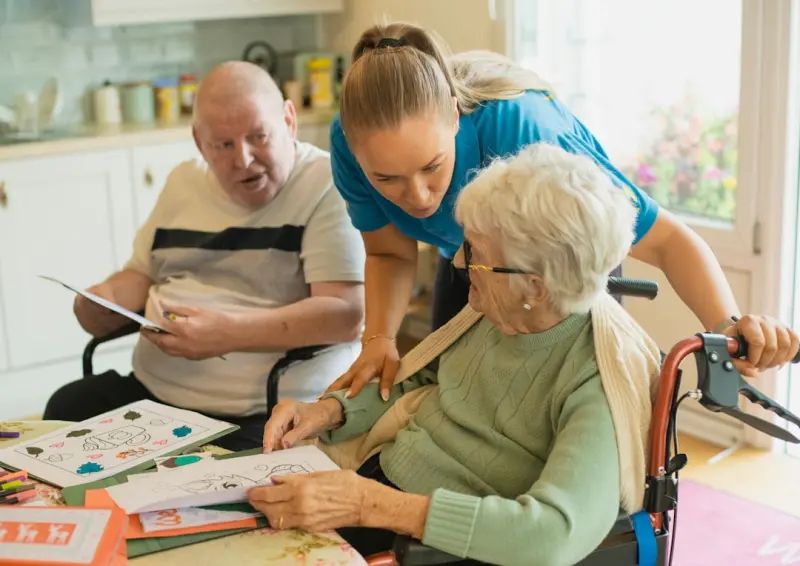
When I first heard the phrase “micro‑adventure,” I imagined a tiny, perhaps even frivolous, outing—something you could squeeze into a lunch break. The truth, however, is far richer. For seniors, these bite‑sized explorations act like a gentle catalyst, nudging the brain, body, and spirit toward a more vibrant, resilient state. In this post I’ll share why micro‑adventures matter, how they differ from traditional travel, and a step‑by‑step roadmap to weave them into everyday life without feeling overwhelmed.
What Exactly Is a Micro‑Adventure?
A micro‑adventure is a low‑barrier, short‑duration experience that takes you just outside your comfort zone. Think of it as a mini‑expedition that lasts a few hours, involves a modest physical challenge, and offers a fresh sensory palette. It might be a sunrise hike to a nearby hill, a kayak paddle on a city lake, a visit to a historic neighborhood you’ve never explored, or even a guided bird‑watching walk in a local park. The key ingredients are:
- Proximity: It’s close enough to reach without overnight packing.
- Accessibility: Tailored to your current mobility and health level.
- Novelty: Something you haven’t done recently, providing a mental reset.
- Purpose: A clear, personal reason—whether it’s curiosity, connection, or simply fun.
When framed this way, a micro‑adventure becomes an intentional health‑boosting practice rather than a spontaneous whim.
Why Seniors Should Care: The Science Behind Small Escapes
Research consistently shows that novelty and moderate physical activity stimulate neuroplasticity—the brain’s ability to rewire itself. While many seniors focus on high‑intensity exercise or strict diets, micro‑adventures tap a different, often underutilized pathway.
- Neural activation: New environments engage the hippocampus, the region responsible for memory formation. Navigating a new trail, spotting unfamiliar flora, or listening to unfamiliar city sounds creates a mental “workout” that can slow age‑related cognitive decline.
- Cardiovascular gentle boost: Even a leisurely 30‑minute walk on uneven terrain raises heart rate slightly, improving circulation without the joint strain that more vigorous workouts might cause.
- Emotional uplift: Novel experiences trigger dopamine release, the “feel‑good” neurotransmitter, which combats the low‑energy mood swings common in later life.
- Social connection: Sharing a micro‑adventure with a friend, family member, or community group builds a sense of belonging that directly impacts immune function.
These benefits compound over time. Think of each micro‑adventure as a small deposit into a health savings account; the more you contribute, the richer your reserve of resilience becomes.
Micro‑Adventures vs. Traditional Travel: A Practical Comparison
Traditional travel often involves lengthy planning, significant expense, and the stress of packing and navigating unfamiliar logistics. While those experiences are priceless, they can also be intimidating for seniors dealing with mobility constraints or chronic conditions.
Micro‑adventures strip away many of those barriers:
- Time commitment: A half‑day outing fits easily into a regular routine.
- Financial load: Minimal cost—often just a bus ticket or a small entry fee.
- Physical demand: Adjustable intensity; you can set a pace that respects your body’s signals.
- Risk profile: Lower exposure to travel‑related illnesses or injuries, especially important in a world where health security remains top of mind.
By integrating micro‑adventures, seniors can reap many of the same mental and physical benefits of far‑flung trips without the associated strain.
Designing Your First Micro‑Adventure: A Step‑by‑Step Blueprint
Below is a simple framework I’ve used with my own parents and clients. Feel free to adapt it to your own preferences.
- Identify a “micro‑goal.” Choose a concrete, achievable aim—e.g., “Walk to the historic lighthouse 2 miles away and back.”
- Map the route. Use a smartphone map or a printed walking guide. Look for shaded sections, benches, and restrooms.
- Check health considerations. Review any medication timing, blood sugar levels, or joint concerns. If you have a pacemaker or similar device, confirm that any electronic navigation aids won’t interfere.
- Gather gear. Comfortable shoes, a light water bottle, a sun hat, and a small first‑aid kit. For added safety, consider a wearable that tracks heart rate and alerts emergency contacts—many devices now integrate gut health insights that can inform hydration and nutrition needs.
- Invite a companion. Whether it’s a grandchild, neighbor, or local walking club, shared experiences boost motivation and safety.
- Set a “reflection” moment. After the adventure, spend five minutes journaling or simply chatting about what you saw, felt, and learned.
This cycle—plan, act, reflect—creates a habit loop that reinforces both physical movement and mental curiosity.
Safety First: Managing Risks Without Stifling Fun
Every adventure, however brief, carries some risk. Here are practical tips to keep your micro‑adventures safe:
- Weather check: Look up the forecast a day before and the morning of. Dress in layers.
- Medical alert: Wear a medical ID bracelet if you have chronic conditions.
- Hydration strategy: Sip water regularly. For seniors prone to dehydration, a electrolyte solution can be beneficial.
- Foot care: Inspect shoes for wear and replace them when soles become smooth, reducing slip risk.
- Emergency plan: Memorize the nearest pharmacy or clinic. Save a local emergency number on your phone’s speed‑dial.
By proactively addressing these points, the excitement of a micro‑adventure outweighs any lingering anxieties.
Technology as an Ally: Wearables, Apps, and Data‑Driven Insights
Modern tech offers tools that transform a simple walk into a data‑rich health experience. A smartwatch can track steps, heart‑rate variability, and even detect falls. Some platforms integrate with health records, allowing you to see how your micro‑adventure impacts blood pressure or glucose levels.
For those curious about how nutrition and microbiome health intersect with activity, explore resources like cold water immersion benefits. While that practice sounds intense, the underlying principle—using brief, targeted exposure to stimulate physiological adaptation—mirrors the micro‑adventure mindset.
Even simple apps that map local parks, historical sites, or community art trails can inspire spontaneous outings. Many municipalities now offer free “senior trail passes” that grant access to guided walks and wheelchair‑friendly paths.
Stories from the Field: Real Seniors, Real Adventures
Margaret, 78, “The Lighthouse Walk”—Margaret lives in a coastal town and had never ventured beyond her garden. After a gentle nudge from her granddaughter, she embarked on a 1.5‑mile trek to a nearby lighthouse. “The sea breeze, the sound of gulls, the lighthouse’s beam sweeping across the water—my heart felt lighter than it has in years,” she says. Six months later, she’s added a weekly “sunrise stroll” to her routine.
Leon, 71, “City Art Crawl”—Leon, a retired architect, turned a curiosity about street murals into a monthly “art crawl.” He maps a different neighborhood each time, stops at a local café, and sketches his favorite piece. The activity keeps his eyes sharp, his knees moving, and his creative spark alive.
Rosa, 82, “Garden-to-Table Picnic”—Rosa partnered with a community garden (yes, the one we wrote about in another post, but she took it a step further). She harvested herbs, walked to a nearby park, and enjoyed a fresh salad. The combination of light gardening, a short walk, and mindful eating reinforced her appetite for new experiences.
These anecdotes illustrate that micro‑adventures need not be grandiose; they merely need to be personally meaningful.
Integrating Micro‑Adventures Into a Broader Health Plan
Think of micro‑adventures as a complementary pillar alongside diet, medication, and regular check‑ups. Here’s how to weave them into a holistic senior wellness strategy:
- Weekly calendar slot: Reserve a consistent time—perhaps Saturday morning—for a short outing.
- Goal alignment: Match the activity to a health objective. For example, if you’re working on balance, choose a path with gentle elevation changes.
- Progress tracking: Use a simple journal or app to note distance, mood, and any physical sensations. Over weeks, you’ll see patterns that inform future plans.
- Community engagement: Invite local senior centers to co‑host micro‑adventures. Group outings add social richness and safety in numbers.
- Professional input: Share your adventure logs with your primary care physician. They can offer feedback on heart rate trends or suggest modifications.
Addressing Common Concerns
“I’m too frail to walk far.”—Start with a 10‑minute stroll around the block. Incrementally increase distance as confidence builds. Even short, consistent movement yields measurable benefits.
“I don’t have anyone to go with.”—Many libraries, senior centers, and churches organize walking clubs. Online platforms like Nextdoor can also connect you with nearby companions.
“What if the weather is bad?”—Indoor micro‑adventures work too. A local museum, a botanical greenhouse, or a historic house tour can satisfy the novelty craving while keeping you warm and dry.
Future‑Facing: How Micro‑Adventures Can Evolve With Age
As you progress through the senior years, the nature of your micro‑adventures will naturally shift. The focus may move from pure physical challenge to richer sensory experiences—like listening to a jazz trio in a park or tasting seasonal fruits at a farmer’s market. The core principle remains: embrace novelty, stay gently active, and nurture curiosity.
By adopting this mindset, you’re not just adding years to life; you’re adding life to years.
Take the First Step Today
Pick a destination no farther than a 15‑minute walk from your front door. Pack a water bottle, slip on comfortable shoes, and invite a friend or family member. When you return, jot down three things you noticed—sights, sounds, feelings. That’s your first micro‑adventure logged, and the start of a sustainable, joy‑filled health habit.
Remember, the world isn’t a distant, unreachable place; it’s a series of small, beautiful moments waiting to be discovered, one step at a time.

Sarah Gray is a proud Canadian who calls Brampton home, where she lives with her husband, Paul. A passionate home cook and gifted storyteller, Sarah loves creating delicious recipes and sharing stories inspired by everyday life, family, and cherished experiences. When she isn't experimenting in the kitchen, she's busy crafting engaging content that reflects her warmth, creativity, and love of connection. Above all, Sarah treasures time spent with her grandchildren, embracing every opportunity to create lasting memories with the people she loves most.
Related Posts

Crafting Longevity: How Hands‑On Hobbies Reinvent Senior Health
Hands‑on hobbies provide seniors with a low‑impact, brain‑stimulating, socially engaging way t... Read More
Why Picking Up a New Skill in Your 70s Can Supercharge Your Health
Learning a new skill in later life can enhance brain function, boost mood, and foster community conn... Read More
Reimagining Senior Wellness Through Community and Purpose
A fresh look at senior health: building purpose, social ties, and tech-savvy habits to enhance wellb... Read More
Top Posts
Learning to Age: Why Lifelong Skill‑Building Is the Secret Weapon for Healthy Longevity
Lifelong learning fuels neuroplasticity, strengthens physical coordination, and deepens social connections, making it a powerful, under‑appreciated pillar of ...Read More

Mindful Strategies for Sustainable Muscle Gain
Explore a fresh, science‑backed roadmap to muscle gain that blends periodized programming, strategic nutrition, gut health, and mental focus for lasting, inju...Read More
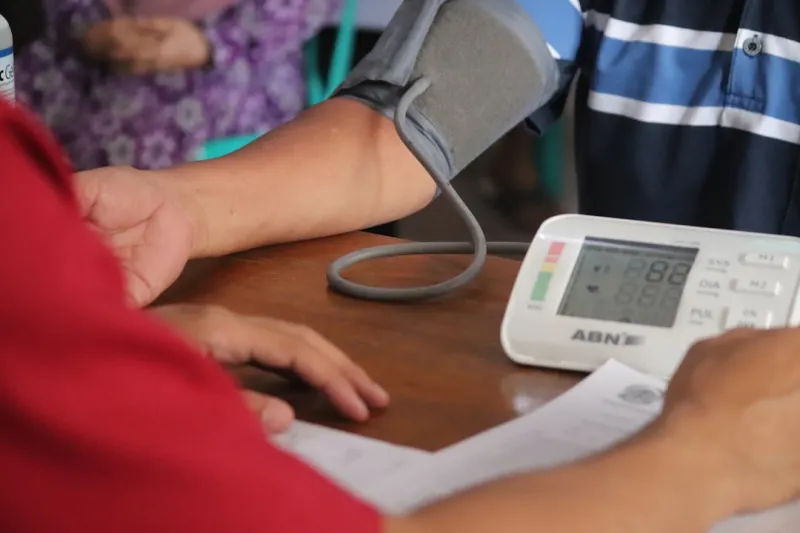
Managing Blood Pressure through Lifestyle Changes
Maintaining healthy blood pressure is essential for overall well-being. Learn how to manage blood pressure through lifestyle changes, including diet, exercise, ...Read More
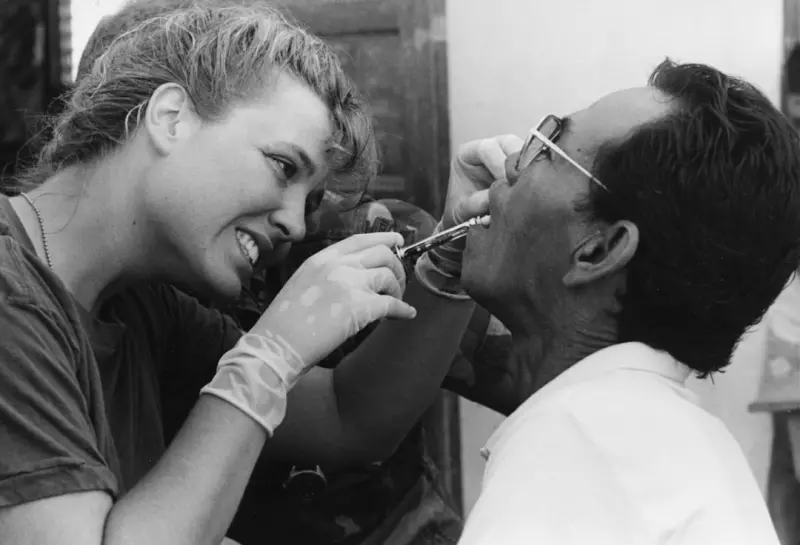
The Hidden Impact of Vaping on Your Oral Health and How to Protect It
Explore the often‑overlooked oral health consequences of vaping and get actionable tips to keep your smile healthy without giving up the experience....Read More
0 Comments
Post Comment
You will need to Login or Register to comment on this post!