

When I first picked up a sleek, palm‑sized vape pen at a friend’s house, I thought I was just joining a casual conversation. Little did I realize that I was stepping into a ritual that would subtly rewrite the cadence of my day—one puff at a time. Today, as vaping culture swells into a global phenomenon, it’s worth pausing to unpack the unseen layers that turn a simple inhalation into a deeply ingrained habit, and more importantly, to ask: what does this ritual say about us, and how can we reclaim agency over it?
The Invisible Pull of the Micro‑Moment
Unlike a cigarette, which traditionally marks a longer break, a vape often fits into a micro‑moment: the pause between checking an email, the idle time while a coffee brews, or the brief gap before a Zoom call starts. These fragments are perfect breeding grounds for what behavioral scientists call the habit loop: cue, routine, reward. The cue could be the soft buzz of a notification, the routine is the hand‑to‑mouth motion, and the reward is a fleeting sense of calm or a brief dopamine spike.
What makes vaping especially potent is its ability to deliver nicotine in a more controlled, often “less harsh” way, which can amplify the reward without the immediate ash‑filled guilt. Over time, the brain starts to associate almost any idle moment with the prospect of a puff, and the habit becomes a silent soundtrack to our daily flow.
From Stress Relief to Social Currency
Many people, myself included, have leaned on vaping as a stress‑relief tool. The act of drawing on the device mimics a deep breath, a gesture that our bodies have historically used to signal relaxation. But vaping’s appeal has expanded beyond personal stress management; it has morphed into a social currency. In coworking spaces, at music festivals, or even on virtual meeting screens, the glint of a device can signal belonging, a nod to a sub‑culture that values flavor innovation and tech aesthetics.
This dual role—self‑soothing and social signaling—creates a feedback loop that’s hard to break. The more you see others vaping, the more the behavior feels normalized, and the stronger the personal habit becomes. It’s a subtle reinforcement that can slip past our rational analysis, especially when we’re already juggling the mental load of modern life.
Data‑Driven Insights: Tracking the Habit
If you’re like many of us who love a good health tracker, you might wonder how to quantify this habit. Here’s where technology steps in. By pairing a vape with a wearable device, you can log each puff, monitor nicotine intake, and even see correlations with heart‑rate variability or stress markers throughout the day. These data points shine a light on the patterns that otherwise stay hidden in the noise of daily life.
Imagine a simple dashboard that shows you a spike in cravings right after a stressful meeting, or a dip in energy when you skip your usual post‑lunch vape. This awareness is the first step toward intentional change. Data alone isn’t a cure, but it provides a concrete map of the terrain you’re navigating.
The Flavor Paradox: Choice Overload and Decision Fatigue
One of the most alluring aspects of modern vaping is the staggering variety of flavors—fruit blends, dessert profiles, even menthol‑mint hybrids. While variety can be exciting, it also introduces a subtle form of decision fatigue. Each new flavor invites a fresh curiosity, a micro‑reward that can keep the habit alive longer than a single, static taste ever could.
Research on choice overload suggests that when faced with too many options, people may revert to habitual choices as a coping mechanism. In the vaping context, the habit loop can become a refuge: “I’m not going to decide which flavor to try, I’ll just vape the one I know works.” This paradoxically reinforces the ritual, even as it promises novelty.
Breaking the Loop: Practical Strategies for Mindful Transition
Understanding the habit loop is empowering, but the real work begins when we decide to intervene. Below are actionable steps that blend self‑compassion with data‑driven tactics.
- Map Your Triggers. Use a simple journal or a phone note to record when you feel the urge to vape. Note the time, location, emotional state, and any preceding activity. Over a week, patterns will emerge.
- Replace, Don’t Remove. The brain craves the hand‑to‑mouth motion. Swap the vape for a non‑nicotine alternative—herbal tea, a reusable straw, or even a stress ball. The goal is to keep the ritual but change the reward.
- Leverage Technology. Pair your device with a wearable that logs stress levels. When a spike is detected, receive a gentle reminder to try a breathing exercise instead of reaching for the vape.
- Set Micro‑Goals. Instead of a blanket “quit vaping,” aim for a reduction of one puff per day, then two, and so on. Celebrate each milestone; the brain loves positive reinforcement.
- Engage a Support Network. Share your journey with friends or online communities. The accountability factor can transform the habit from a solitary act into a shared challenge.
These tactics echo the principles outlined in Rewiring the Relationship with Food, where the emphasis is on data‑informed self‑compassion—a method that works equally well for nicotine habits.
Beyond the Individual: Workplace Policies and Cultural Shifts
Companies are increasingly grappling with the rise of vaping in office environments. Traditional smoke‑free policies often overlook the subtleties of vapor clouds that dissipate quickly, leaving no lingering smell but still influencing workplace dynamics. A forward‑thinking policy might include designated vape zones, mental health resources, and educational sessions that explain the habit loop, thereby reducing stigma and fostering a healthier culture.
When organizations acknowledge the psychological underpinnings of vaping rather than treating it solely as a health issue, they open the door for more nuanced support—like offering mindfulness workshops during peak stress periods, or providing access to nicotine‑free alternatives for those looking to transition.
The Future Landscape: Nicotine‑Free Innovation
Innovation is steering the industry toward nicotine‑free, CBD‑infused, or adaptogen‑laden vape liquids. While these may mitigate nicotine addiction, they introduce new variables: flavor dependencies, habit reinforcement, and unknown long‑term health impacts. As consumers, staying informed about ingredient transparency and seeking products backed by rigorous research becomes essential.
Ultimately, the evolution of vaping reflects a broader societal shift toward personalization and instant gratification. By recognizing the deeper psychological drivers—stress, social connection, and the desire for novelty—we can better navigate the fine line between a satisfying ritual and an unintentional dependency.
Takeaway: Own Your Micro‑Moments
Vaping’s rise isn’t just about a device; it’s about the invisible architecture of our daily lives. When we understand the cue‑routine‑reward cycle, the role of flavors, and the social currents that keep us tethered, we gain the power to redesign those micro‑moments. Whether you choose to stay, adjust, or step away from the habit, the key is to do so with intention, data, and a supportive network. After all, the healthiest rituals are the ones we consciously craft, not the ones that silently craft us.

Sarah Gray is a proud Canadian who calls Brampton home, where she lives with her husband, Paul. A passionate home cook and gifted storyteller, Sarah loves creating delicious recipes and sharing stories inspired by everyday life, family, and cherished experiences. When she isn't experimenting in the kitchen, she's busy crafting engaging content that reflects her warmth, creativity, and love of connection. Above all, Sarah treasures time spent with her grandchildren, embracing every opportunity to create lasting memories with the people she loves most.
Related Posts

Beyond the Cloud: How Vaping Is Redefining Social Interaction
Vaping is evolving from a solitary habit into a vibrant social experience, influencing community rit... Read More
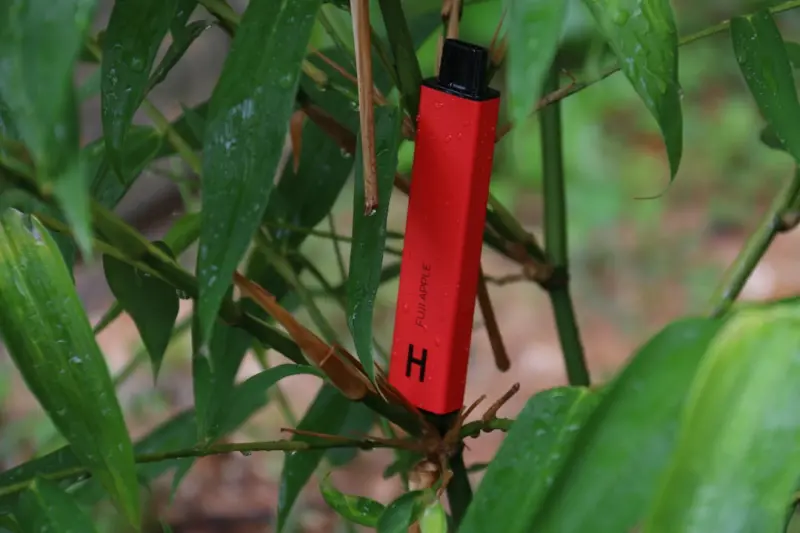
The Hidden Carbon Footprint of Disposable Vapes: A Path to a Cleaner Habit
Explore the hidden carbon and plastic costs of disposable vapes, and find actionable tips to transit... Read More

Finding Freedom: A Personal Roadmap to Quit Vaping Without Losing Your Spark
A heartfelt guide that blends breathwork, sensory substitutes, nutrition, and community support to h... Read More
Top Posts

Turning Everyday Steps into Mini Adventures for Joyful Fitness
Learn how to transform ordinary walks into mini adventures that spark curiosity, improve fitness, and keep you motivated without the pressure of traditional wor...Read More

Breathing New Life into Brain Health: Harnessing the Power of Breathwork
This article reveals the science behind breathwork and its profound impact on brain health, offering practical techniques to boost focus, lower stress, and prom...Read More

A Tactical Playbook for Mastering Blood Pressure with Data and Micro‑Habits
Discover a step‑by‑step system that uses continuous data, tiny habits, and contextual adjustments to lower and stabilize blood pressure, turning health mana...Read More
The 5‑Step Sensory Reset: A Fresh Blueprint for Natural Body Detox
A practical, habit‑based blueprint that aligns eating rhythms, movement, prebiotic timing, air quality, and digital habits to support the body’s natural det...Read More
0 Comments
Post Comment
You will need to Login or Register to comment on this post!