
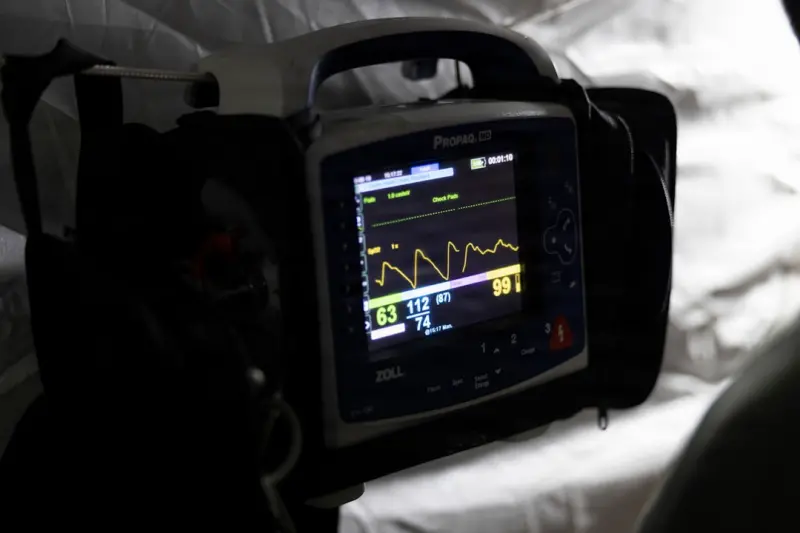
Why Real‑Time Biofeedback Is the Next Game‑Changer for Blood Pressure Management
When I first heard the phrase “biofeedback” I imagined a dimly lit lab, wires snaking across a patient’s forearm, and a technician coaxing numbers from an old‑school monitor. Fast‑forward a few years, and the same technology is slipping onto our wrists, earbuds, and even into the fabric of our work‑from‑home chairs. For professionals who juggle back‑to‑back meetings, tight deadlines, and the inevitable stress that comes with high‑stakes decision‑making, this shift is nothing short of revolutionary.
In this post I’ll walk you through the science, the practicalities, and the strategic advantages of leveraging real‑time biofeedback to keep blood pressure in the sweet spot—without sacrificing productivity or the freedom to enjoy life outside the office.
The Science Behind Biofeedback and Blood Pressure
Blood pressure is not a static number; it’s a dynamic response to a cascade of physiological signals—heart rate, vascular tone, stress hormones, and even your breathing pattern. Traditional cuff‑based measurements give you a snapshot, but they miss the fluctuations that occur throughout the day.
Biofeedback devices tap into this continuous stream by measuring one or more of the following:
- Heart Rate Variability (HRV): The variation in time between heartbeats, a gold‑standard metric for autonomic nervous system balance.
- Peripheral Pulse Wave Velocity (PWV):** A proxy for arterial stiffness, directly linked to systolic pressure.
- Electrodermal Activity (EDA): Sweat‑gate responses that rise with sympathetic activation, often before you feel the stress.
- Continuous Blood Pressure (cBP): Emerging cuff‑less technologies that use photoplethysmography (PPG) and algorithms to estimate systolic and diastolic values every few seconds.
By feeding these data points back to you in real time—via a gentle vibration, a visual cue, or an auditory tone—you can train your nervous system to respond more calmly, ultimately lowering the pressure spikes that accumulate over months and years.
From “Data Overload” to Actionable Insight
One of the biggest concerns for any data‑driven professional is the risk of information fatigue. The solution isn’t “more data,” it’s smarter data. Modern biofeedback platforms integrate AI that does three things:
- Contextualize: The system correlates spikes with calendar events, email volume, or even ambient noise levels. Suddenly you know whether a spike was caused by a client call or a looming deadline.
- Prioritize: Not every rise in systolic pressure warrants an intervention. The algorithm flags only those that exceed your personalized threshold for more than a preset duration.
- Recommend: Based on historical patterns, the platform suggests micro‑interventions—breathing exercises, a short walk, or a posture reset—exactly when they’ll be most effective.
This loop—measure, interpret, act—creates a feedback cycle that’s both immediate and tailored, turning a vague feeling of “stress” into a concrete, manageable variable.
Integrating Biofeedback Into a Busy Workday
Implementing a new habit sounds daunting, especially when your day is already packed. The key is to embed biofeedback into existing routines:
- Meeting Warm‑Ups: Before a high‑stakes call, spend 30 seconds on a guided breathing exercise triggered by your device. The calm you generate will reflect in lower baseline pressure for the entire discussion.
- Desk‑Based Micro‑Breaks: Set the device to vibrate when HRV dips below your optimal range. Use that cue to stand, stretch, or glance out a window—anything that resets sympathetic tone.
- Commute Recalibration: If you travel by train or car, use the passive monitoring mode to identify traffic‑induced spikes and practice diaphragmatic breathing through your earbuds.
Because the interventions are short (often under a minute) and triggered automatically, you don’t need to “make time” for them; they become part of the flow.
Case Study: A Sales Leader’s 12‑Week Transformation
Consider Maya, a regional sales director overseeing a team of 30. She reported occasional headaches, occasional “pounding” after quarterly reviews, and a recent diagnosis of pre‑hypertension. Here’s how she leveraged biofeedback:
- Baseline Mapping (Weeks 1‑2): Using a cuff‑less wrist monitor, Maya collected 48 hours of continuous data. The AI highlighted that her systolic peaks correlated strongly with late‑afternoon email spikes.
- Targeted Interventions (Weeks 3‑6): She enabled a “stress‑pause” notification that prompted a 60‑second box‑breathing routine. Over two weeks, average systolic pressure during email crunches dropped by 6 mmHg.
- Environmental Tweaks (Weeks 7‑9): The platform suggested a modest increase in ambient temperature (by 1‑2 °C) during her most stressful periods, a subtle nudge that helped her vascular system stay dilated.
- Performance Gains (Weeks 10‑12): Not only did her blood pressure readings settle within the normal range, but her team’s closing rate improved by 8 %—a testament to the cognitive clarity that accompanies physiological stability.
What’s striking about Maya’s story isn’t just the numbers; it’s how biofeedback turned an abstract health risk into a concrete performance metric that aligned with her professional goals.
Choosing the Right Device: A Pragmatic Checklist
Not all wearables are created equal. Here’s a quick decision matrix that I use when recommending tools to colleagues:
| Feature | Must‑Have | Nice‑To‑Have |
|---|---|---|
| Continuous Blood Pressure Estimation | ✔︎ | |
| HRV Tracking | ✔︎ | |
| AI‑Driven Insight Engine | ✔︎ | |
| Seamless Integration with Calendar/Email | ✔︎ | |
| Battery Life ≥ 5 Days | ✔︎ | |
| Privacy‑First Data Policy | ✔︎ | |
| Customizable Vibration/Audio Alerts | ✔︎ | |
| Open API for Enterprise Dashboards | ✔︎ |
When you pair a device that meets these criteria with a platform that understands your workflow—think decision hygiene principles—you create an ecosystem where blood pressure management is no longer a separate “health task” but an integrated element of productivity.
The Synergy Between Nutrition Timing and Biofeedback
While the wearable does the heavy lifting on the physiological side, the timing of what you eat can amplify—or undermine—its benefits. The concept of chrononutrition suggests that aligning meals with your circadian clock stabilizes vascular tone and reduces nocturnal pressure spikes.
Here’s a simple protocol to test:
- Morning (7‑9 am): Light protein, low‑glycemic carbs, and a dash of omega‑3. This fuels HRV without triggering a cortisol surge.
- Mid‑day (12‑1 pm):** A balanced plate with fiber and polyphenols—think leafy greens and berries—to keep arterial elasticity optimal.
- Late Afternoon (3‑4 pm): A small, protein‑rich snack (e.g., Greek yogurt) to prevent the “post‑lunch dip” that often spikes stress hormones.
- Evening (7‑9 pm): A low‑sodium, plant‑based dinner paired with a calming herbal tea. This helps the parasympathetic system dominate as you wind down, setting the stage for a stable night‑time pressure curve.
When you combine this timing with real‑time biofeedback, you’ll notice that the device’s alerts become less frequent, confirming that your body is responding positively to the nutritional rhythm.
Addressing Common Skepticisms
“I’m not a tech‑person.” The best platforms today require minimal setup—just a wristband and a companion app. Most have guided onboarding that walks you through the first week of data collection, interpretation, and action.
“My blood pressure is already normal; why bother?” Even within the normal range, there’s a “pressure variance” bandwidth. Reducing the amplitude of spikes improves endothelial function, which translates to better cognition, lower fatigue, and a reduced long‑term risk of cardiovascular events.
“What about data privacy?” Leading vendors employ end‑to‑end encryption, store data on secure cloud servers, and give you full control over who can view your metrics. Look for certifications like ISO 27001 or GDPR compliance if you’re operating internationally.
Future Outlook: From Reactive to Predictive Vascular Health
We’re on the cusp of a shift from reactive monitoring (you measure after a spike) to predictive analytics (the system anticipates a spike before it happens). Imagine a scenario where your calendar, ambient noise sensors, and biometric trends converge to forecast a pressure surge two hours before a high‑stakes presentation. The system could then automatically schedule a micro‑meditation or suggest a pre‑emptive caffeine reduction.
This isn’t science fiction—it’s the next iteration of the AI‑driven biofeedback loop. Companies are already piloting models that incorporate genetic risk scores, gut microbiome data, and even your oral microbiome profile (yes, the oral microbiome is emerging as a hidden influencer of systemic inflammation). By weaving these layers together, we’ll move toward truly personalized vascular health—where the goal is not just “normal blood pressure” but an optimized, resilient cardiovascular system.
Takeaway: Turn Biofeedback into Your Competitive Edge
Managing blood pressure has traditionally been framed as a medical necessity—a checkbox on a wellness form. For high‑performing professionals, it can be reframed as a strategic asset. Real‑time biofeedback provides the visibility, precision, and actionable insight required to keep your vascular system humming while you lead, innovate, and execute.
Start small: choose a reputable device, sync it with your daily workflow, and let the AI guide your micro‑interventions. Over weeks, you’ll notice not just lower numbers on the cuff but sharper focus, steadier decision‑making, and a quieter internal dialogue.
In the end, the technology is only as good as the habits you build around it. Treat biofeedback as a personal coach that whispers, “Breathe,” “Reset,” and “Move”—and you’ll discover that the most powerful performance upgrades start inside, with the steady rhythm of your own heartbeat.

Tom Ferguson is a Canadian freelance writer with a passion for storytelling, current events, and thoughtful commentary. Drawing on years of writing experience, he shares engaging insights on a wide range of topics, bringing a uniquely Canadian perspective to his work.
Related Posts
A Tactical Playbook for Mastering Blood Pressure with Data and Micro‑Habits
Discover a step‑by‑step system that uses continuous data, tiny habits, and contextual adjustment... Read More
Beyond Pills: A Holistic Playbook for Taming Blood Pressure
Learn a comprehensive, evidence‑based approach to blood pressure management that blends breathing,... Read More

Breathing New Life into Blood Pressure: A Workplace‑Centric Blueprint
A personal experiment shows how simple adjustments to office temperature, lighting, posture, nutriti... Read More
Top Posts
The Unexpected Power of a Digital Declutter During Pregnancy
A focused digital declutter helps expecting parents lower cortisol, enhance sleep, and free mental space for intuitive bonding, offering a calm pathway through ...Read More

Quiet Motion: How Tiny Movements Rewrite Your Health Story
Micro‑movements—those brief, often unnoticed gestures like ankle rolls, shoulder squeezes, and seated stretches—can dramatically improve metabolic balance...Read More

The Quiet Revolution: How Intentional Silence Fuels Longevity
Intentional silence isn’t just a mental break—it’s a powerful longevity tool. Learn the science behind quiet moments, practical routines, and how pairing ...Read More

The Secret Benefits of Variable Movement Patterns
Explore why mixing up planes, tempos, and equipment—known as movement variability—can break plateaus, enhance neural adaptation, improve hormonal balance, a...Read More
0 Comments
Post Comment
You will need to Login or Register to comment on this post!