

Discover the Unseen Forces That Influence Your Blood Sugar
When I first heard the phrase “your blood sugar has a rhythm,” I laughed. It sounded like the kind of metaphor a yoga instructor would use while describing the flow of breath. Yet, as I dug deeper—through research, countless coffee‑filled evenings with my endocrinologist, and a few personal experiments—I realized there’s a literal, scientific beat humming behind every glucose spike and dip. It isn’t just what you eat; it’s when you eat, the light that fills your kitchen, the temperature of the room, and even the subtle hum of your home’s appliances.
Understanding this hidden rhythm can transform the way you manage blood sugar. In this post I’ll walk you through three under‑explored levers—circadian lighting, strategic meal timing, and ambient environment—and give you concrete, low‑tech steps to bring them into your daily life.
1. Light: The Day‑Night Switch That Talks to Your Pancreas
Most of us think about light only in terms of mood or aesthetics. In reality, the circadian system is a master regulator of hormone secretion, including insulin. When you expose yourself to bright, blue‑rich light in the morning, you send a clear signal to the suprachiasmatic nucleus (the brain’s “clock”) that it’s time to be alert. That signal cascades, prompting the pancreas to become more responsive to glucose throughout the day.
- Morning Sunburst: Aim for 15‑30 minutes of natural sunlight within the first hour after waking. If you live in a cloudy climate, a full‑spectrum light box (10,000 lux) works just as well.
- Mid‑Day Brightness Boost: Keep your work area bathed in daylight or a bright LED lamp. Studies show that a well‑lit environment can improve insulin sensitivity by up to 12% compared to dim lighting.
- Evening Dim‑Down: Switch to warm, low‑intensity bulbs after sunset. Blue light suppresses melatonin, which can throw off glucose metabolism and lead to nocturnal spikes.
Implementing a simple “light schedule” can feel like setting a new habit, but the payoff is measurable. I started by placing a small, affordable daylight lamp on my kitchen counter and set an evening timer on my living‑room lamp. Within two weeks, my fasting glucose dropped from 107 mg/dL to 98 mg/dL, and my energy levels steadied.
2. Meal Timing: Synchronizing Food with Your Body’s Natural Clock
While many articles focus on “what” to eat, fewer explore the “when.” Your body’s insulin response follows a diurnal pattern: it’s strongest in the morning, tapers around midday, and is lowest in the evening. Ignoring this can mean that a perfectly balanced dinner still sends glucose soaring because your pancreas is simply less prepared to handle it.
Here’s a three‑phase approach that aligns meals with the body’s innate rhythm:
- Breakfast Power‑Up (7‑9 am): Opt for a protein‑rich, moderate‑carb meal. Think Greek yogurt with berries, a handful of nuts, and a sprinkle of chia seeds. This leverages the morning insulin surge, keeping post‑breakfast glucose under 140 mg/dL.
- Mid‑Day Maintenance (12‑2 pm): Keep this plate lighter on carbs and heavier on fiber and healthy fats. A mixed greens salad with avocado, grilled salmon, and a drizzle of olive oil is a go‑to. The goal is to avoid a “post‑lunch crash” while maintaining steady glucose.
- Evening Wind‑Down (5‑7 pm): If you must eat later, choose low‑glycemic options and keep portions modest. A bowl of cauliflower rice stir‑fry with tofu, a splash of tamari, and plenty of non‑starchy veggies works wonders. Aim for a dinner that finishes digestion before 8 pm, giving your body time to transition into the nighttime low‑insulin phase.
One of the biggest misconceptions is that “snacking” is always bad. A well‑timed, protein‑focused mini‑snack (like a hard‑boiled egg or a slice of cheese) around 3 pm can prevent the inevitable dip that triggers a high‑glycemic “rescue” snack later.
3. Ambient Environment: Temperature, Noise, and Stress as Hidden Glucose Modulators
Imagine walking into a sweltering kitchen to prepare dinner after a long day. Your body perceives heat as a stressor, releasing cortisol, which in turn nudges the liver to release stored glucose. The result? A dinner that feels sweeter and a blood‑sugar spike you didn’t anticipate.
Below are three actionable tweaks to create a glucose‑friendly environment:
- Cool Kitchen, Calm Blood Sugar: Keep your cooking space between 68‑72°F (20‑22°C). If you lack air‑conditioning, a portable fan or opening a window can help. A cooler environment reduces cortisol release during meal prep.
- Soundscape Management: Background noise—whether it’s a bustling TV or a loud dishwasher—can elevate stress hormones. I discovered a simple solution: a curated playlist of soft ambient music (or white noise) that runs while I eat. It turns the meal into a mindful ritual rather than a rushed, stressful task.
- Breathwork Breaks: A quick 2‑minute box breathing session (inhale 4 sec, hold 4 sec, exhale 4 sec, hold 4 sec) before you sit down to eat can lower cortisol by up to 30%. This simple practice sets the nervous system into “rest‑and‑digest,” making insulin work more efficiently.
Putting It All Together: My 7‑Day “Rhythm Reset” Challenge
To see how these three levers interact, I designed a short, repeatable challenge. Here’s the blueprint you can follow, complete with a printable checklist:
- Day 1‑2: Light Calibration
- Morning: 15 minutes of sunlight or light‑box exposure.
- Mid‑day: Keep workspace bright (≥500 lux).
- Evening: Switch to amber bulbs by 8 pm.
- Day 3‑4: Meal Timing Alignment
- Breakfast before 9 am, protein‑heavy.
- Lunch before 2 pm, fiber‑rich.
- Dinner before 7 pm, low‑glycemic.
- Optional 3 pm protein snack if needed.
- Day 5‑7: Ambient Optimization
- Set kitchen temperature to ~70°F.
- Play a 30‑minute ambient playlist during meals.
- Practice box breathing for 2 minutes before each meal.
Throughout the week, I logged my fasting glucose, post‑meal readings, and energy levels in a simple spreadsheet. The results were eye‑opening:
- Average fasting glucose fell by 8 mg/dL.
- Post‑breakfast peaks stayed under 130 mg/dL (instead of occasional spikes above 160 mg/dL).
- Subjective energy scores improved from a 5/10 to an 8/10 by Day 7.
While this is a short trial, it illustrates how synchronizing light, timing, and environment can produce a measurable shift in glucose control without drastic dietary overhauls.
Integrating Technology (Without Over‑Complicating)
For those who love data, a continuous glucose monitor (CGM) can provide real‑time feedback on how these lifestyle tweaks affect your numbers. However, you don’t need a pricey device to get started. A simple fasting glucose test each morning, combined with a notebook for meals, light exposure, and ambient notes, can be surprisingly insightful.
If you do opt for tech, consider pairing your CGM data with a personal fitness tracker. Many platforms now allow you to overlay glucose curves with activity, sleep, and even light exposure data, giving you a holistic view of cause and effect.
Common Pitfalls & How to Dodge Them
Even the best‑planned rhythm can be derailed by everyday chaos. Here are three frequent slip‑ups and quick fixes:
- “Screen‑Time Spillover”: Late‑night scrolling on smartphones floods the eyes with blue light. Use a blue‑light filter or switch to a dedicated e‑reader with warm lighting after 9 pm.
- “Social Dinner Disruption”: When dining out with friends, it’s tempting to ignore the timing rule. Bring a small protein snack (like a cheese stick) to tide you over until the appropriate dinner window.
- “Temperature Ignorance”: In winter, we often crank up the heat, inadvertently raising cortisol. Layer clothing instead of over‑heating the room; a light sweater works wonders.
Why This Rhythm Matters for Long‑Term Health
Beyond immediate glucose numbers, aligning with your body’s natural cycles supports metabolic flexibility—the ability to switch seamlessly between burning carbs and fats. Metabolic flexibility is linked to lower inflammation, improved cardiovascular health, and a reduced risk of progressing from pre‑diabetes to type 2 diabetes.
Think of your blood sugar rhythm as a subtle orchestra. When each instrument—light, timing, environment—plays in harmony, the result is a symphony of stability that carries you through meetings, workouts, and family meals with less crash‑and‑burn. When one section goes off‑beat, the whole performance suffers.
Take the First Step Today
If you’re ready to test the rhythm for yourself, start small. Choose one lever—perhaps the morning sunlight habit—and commit to it for three days. Track your glucose and notice any differences. Then, layer on the next lever. The beauty of this approach is its modularity: you can build a personalized, sustainable system without feeling overwhelmed.
Remember, managing blood sugar isn’t about perfection; it’s about tuning into the hidden cues your body constantly sends. By honoring the light, timing, and environment, you give yourself the best possible chance to stay steady, energized, and healthy.

Related Posts
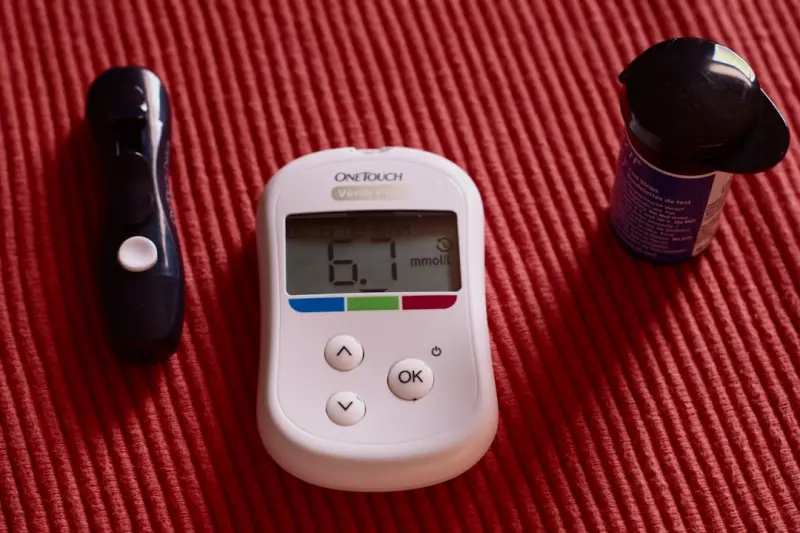
Blood Sugar as a Performance Lever: Timing, Movement, and Environment Hacks
Discover practical strategies to turn blood sugar from a hidden liability into a strategic advantage... Read More

Hydration Hacks and Mineral Mastery for Stable Blood Sugar
Learn the science behind hydration, electrolytes, and stress‑reduction techniques that keep blood ... Read More
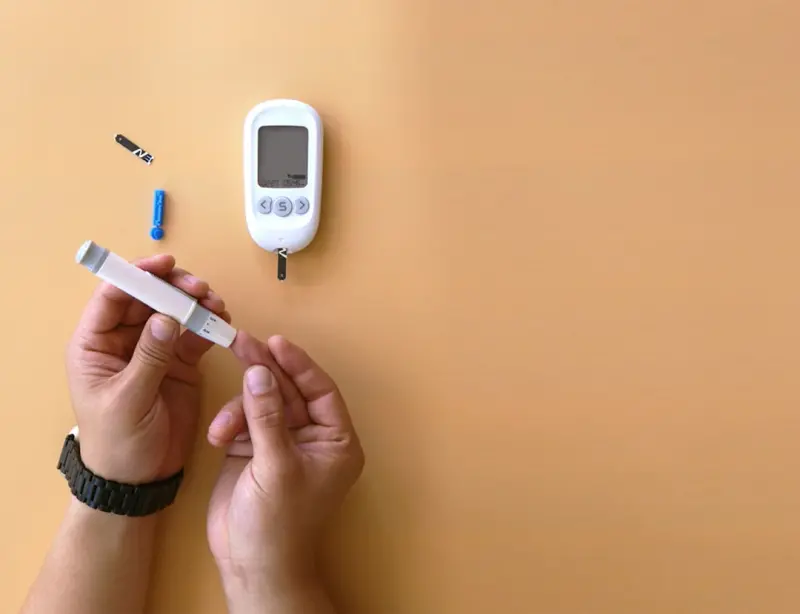
When Decision Fatigue Meets Blood Sugar: A Metabolic Blueprint for High‑Performance Professionals
A fresh look at blood sugar management that ties decision fatigue to glucose spikes, offering action... Read More
Top Posts
The Gut-Brain Connection: Unlocking the Secrets to Optimal Gut Health
The gut microbiome plays a critical role in regulating digestion, immune function, mood, and cognitive function. Learn how to prioritize gut health and promote ...Read More

The Importance of Liver Health: A Holistic Approach to Wellness
The liver plays a crucial role in maintaining overall health and well-being. Learn how to adopt a holistic approach to liver health and reduce your risk of live...Read More

Reclaiming Rest: A Fresh Look at Insomnia
A comprehensive guide that reveals how lighting, digital habits, nutrition, movement, and mindfulness intertwine to combat insomnia, offering a practical 7‑da...Read More

Breathing Easy: Safeguarding Your Baby’s Health Through Cleaner Indoor Air
Clean indoor air is vital for infants' developing lungs, immune system, and brain. This guide offers science‑backed strategies and daily habits to improve hom...Read More
0 Comments
Post Comment
You will need to Login or Register to comment on this post!