

Why Your Gut Might Be the Missing Piece in the Prediabetes Puzzle
When I first started tracking my own health metrics, I thought the equation was simple: calories in, calories out, and a sprinkle of cardio. Fast‑forward a few years, and I’m still counting carbs, but now I’m also counting microbes. The gut microbiome—a bustling metropolis of bacteria, fungi, and viruses—has emerged as a powerful, yet underappreciated, regulator of blood glucose. If you’ve been told you’re “prediabetic” and feel stuck between “I need to lose weight” and “I don’t have time to overhaul my life,” the good news is that you can start with something you already do every day: eat.
The Science That Turns a Gut Feeling Into a Real Fix
Scientists have long known that the gut produces short‑chain fatty acids (SCFAs) like butyrate, acetate, and propionate. These metabolites act like tiny messengers, telling the liver to dial down glucose production and signaling insulin‑sensitive tissues to take up more sugar. A diverse microbiome is a prolific SCFA factory; a depleted one produces less, leaving the body to rely on stress‑hormone‑driven glucose spikes.
Recent meta‑analyses reveal a consistent pattern: individuals with prediabetes often harbor lower diversity and a higher ratio of Firmicutes to Bacteroidetes>. In plain English, it’s not just “bad bacteria” versus “good bacteria”—it’s the whole community orchestra falling out of sync.
Gut‑Brain‑Blood Sugar: The Three‑Way Conversation
The gut talks to the brain through the vagus nerve and to the bloodstream via metabolites. When the microbiome is imbalanced, it can trigger low‑grade inflammation that blinds the insulin receptors, making them less responsive. That’s why two people eating the same amount of carbs can have wildly different glucose curves.
For many of us, stress is the silent saboteur. Stress hormones like cortisol increase gut permeability—sometimes called “leaky gut”—allowing bacterial fragments to enter circulation and fan the inflammatory fire. The result? A vicious cycle of insulin resistance, cravings, and more stress.
Practical Steps to Re‑Engineer Your Microbiome
- Fiber First, Fiber Forever: Aim for at least 30 grams of diverse, plant‑based fiber each day. Think legumes, berries, artichokes, and whole grains. Fiber feeds the good microbes, turning them into SCFA‑producing powerhouses.
- Fermented Friends: Incorporate kimchi, sauerkraut, kefir, or kombucha. These foods introduce live cultures that can temporarily boost diversity while you’re building a more hospitable environment for resident microbes.
- Polyphenol Power: Dark chocolate, green tea, and pomegranate are rich in polyphenols, which act as pre‑biotics for specific bacteria that help modulate glucose metabolism.
- Mind Your Antibiotics: Use them only when absolutely necessary. Even a short course can wipe out up to 30 % of your gut’s diversity, setting you back weeks in your metabolic recovery.
- Get Moving, But Not Just Cardio: Resistance training and even light walking have been shown to shift the microbiome toward a more “lean” profile. Pair movement with the dietary steps above for a synergistic effect.
Technology Meets the Microbiome
We live in an era where a smartwatch can tell you your heart rate variability, and a smartphone app can estimate your sleep stages. New platforms now let you upload stool‑sample results and receive personalized food recommendations based on your microbial composition. While the tech is still evolving, early adopters report improved glycemic control within weeks of following a microbiome‑guided diet.
If you’re curious, start by using a reputable at‑home test kit, then cross‑reference the results with practical ways to keep blood sugar stable. Many of those tips—like spreading carbs throughout the day—are reinforced by what a healthy gut recommends.
Sleep, The Unsung Microbiome Ally
We can’t talk about blood sugar without mentioning sleep. A disrupted circadian rhythm throws off the timing of microbial fermentation, leading to erratic SCFA production. In turn, those fluctuations affect insulin sensitivity the next day. Aiming for 7‑9 hours of uninterrupted sleep is not just a feel‑good habit; it’s a metabolic imperative.
Consider integrating sleep strategies for better blood sugar into your routine: dim lights an hour before bed, limit caffeine after noon, and keep the bedroom cool. When you align your sleep with your gut’s natural rhythm, you give both a chance to reset.
Microbial “Meal Prep” – Planning for Success
Just as you’d batch‑cook chicken breasts for the week, you can batch‑prep gut‑friendly meals. Here’s a quick template:
- Base Fiber: Cook a large pot of quinoa or farro (both high in resistant starch).
- Legume Power: Add a can of rinsed chickpeas or lentils for protein and prebiotic fiber.
- Fermented Finish: Toss in a handful of sauerkraut or a dollop of kefir right before serving to preserve live cultures.
- Flavor Boost: Sprinkle polyphenol‑rich spices like cinnamon or turmeric, which also have anti‑inflammatory properties.
This “microbial meal prep” ensures you get a balanced microbial feast at every lunch and dinner, reducing the temptation to reach for a high‑glycemic snack.
Tracking Progress: Beyond the Scale
Weight is a blunt tool for measuring metabolic health. Instead, focus on:
- Fasting glucose and HbA1c trends (every 3‑6 months).
- Continuous glucose monitor (CGM) insights: look for reduced spikes after meals.
- Stool consistency and frequency: a regular, formed stool often signals a balanced microbiome.
- Energy levels and cravings: fewer mid‑day crashes indicate better insulin sensitivity.
Celebrate the wins that aren’t reflected on the bathroom scale. A lower average glucose, steadier energy, and a more varied gut flora are all victories.
Building Community Around Gut Health
Behavior change is easier when you have a tribe. Consider joining or starting a “Microbiome Mastermind” group. Meet once a month, swap fermented recipes, share stool‑test results (anonymously if you prefer), and hold each other accountable for fiber goals. Social support is a proven predictor of long‑term adherence to dietary changes.
Bottom Line: A Gut‑Centric Blueprint for Reversing Prediabetes
Prediabetes isn’t a destiny; it’s a signal that the body’s metabolic orchestra is out of tune. By feeding the right microbes, you give the liver, pancreas, and muscles a better soundtrack to work with. Combine gut‑friendly nutrition, strategic movement, quality sleep, and smart tech, and you’ll find yourself moving from “pre‑” to “post‑” in no time.
If you’re ready to turn the invisible into actionable, start with one small change today: add a serving of fermented vegetables to your dinner. Your gut—and your blood sugar—will thank you.

Related Posts
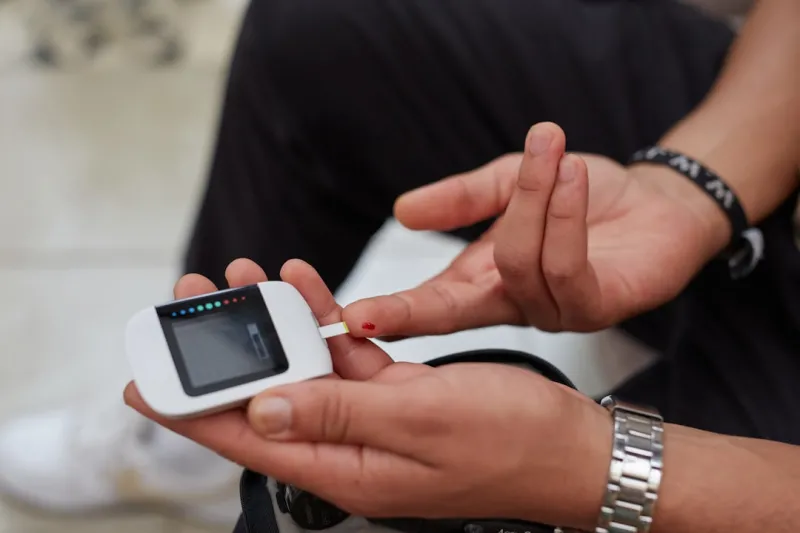
Understanding Prediabetes: A Wake-Up Call for a Healthier Lifestyle
Prediabetes is a silent warning sign that can creep up on anyone. Learn how a holistic approach can ... Read More

Reprogramming Prediabetes: Small Shifts That Rewrite Your Metabolic Story
Learn practical micro‑habits that target hidden glucose spikes, from desk‑dock stretches to digi... Read More
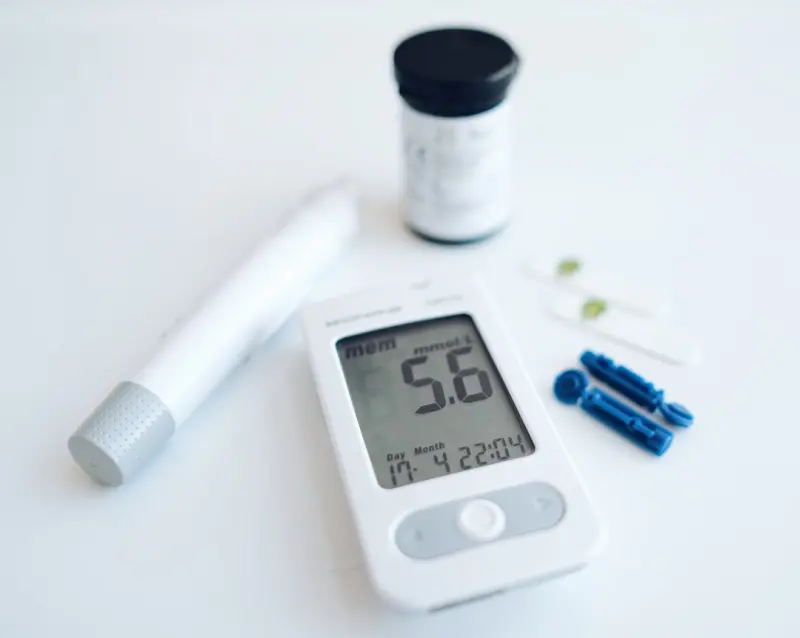
Reprogramming Prediabetes: Small Data‑Driven Steps for Big Metabolic Gains
Discover a science‑backed, step‑by‑step plan that uses meal timing, continuous glucose monitor... Read More
Top Posts

The Healing Power of Shared Music for Senior Wellness
Music isn’t just background noise—it’s a potent health tool for seniors. In this post, Becky Putman explains how singing, rhythmic movement, and shared pl...Read More

When Data Meets Diet: Real‑Time Analytics for Eating Disorder Recovery
Discover how integrating real‑time biofeedback, thoughtfully designed environments, and personalized data models can create a compassionate, tech‑enabled pa...Read More

Smell Your Way to Sustainable Weight Loss
Explore how strategic use of aromas—like peppermint, cinnamon, and citrus—can influence hunger hormones, boost metabolism, and support lasting weight loss w...Read More

Tammy French’s Holistic Journey: Turning Insomnia Into Insight
Tammy French shares her personal, holistic strategies for conquering insomnia, from nutrition and breathwork to tech boundaries and professional help....Read More
0 Comments
Post Comment
You will need to Login or Register to comment on this post!