
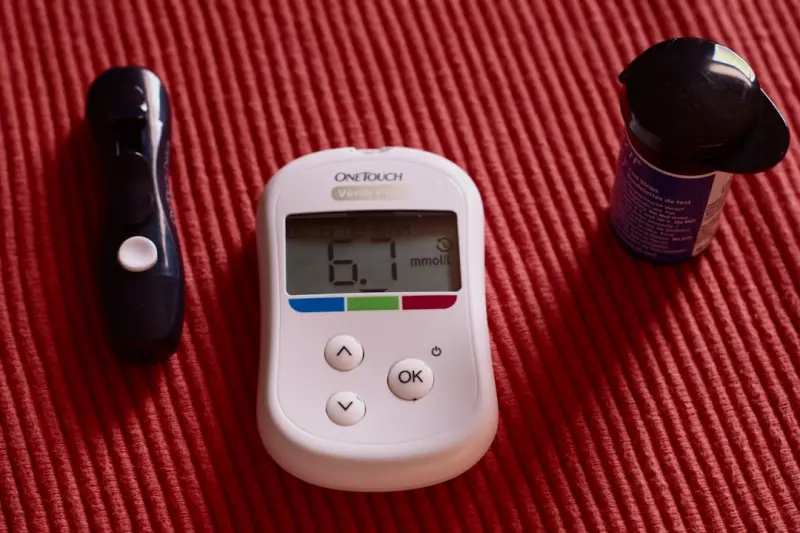
Why Blood Sugar Isn’t Just a Health Metric—it’s a Performance Lever
When I first started tracking my glucose levels, I expected the data to stay in the realm of “dietary advice” and “medical alerts.” What I discovered, however, was something far more compelling: my blood sugar swings were silently dictating my focus, mood, and even my ability to solve complex problems at work. In the fast‑paced world of knowledge‑workers, those tiny fluctuations can feel like invisible saboteurs, nudging us toward a mid‑afternoon slump or a jittery, over‑focused state.
In this post, I’m pulling back the curtain on three levers that most professionals overlook when it comes to managing blood sugar: temporal eating patterns, environment‑driven stress cues, and the feedback loop between movement and cognition. By treating glucose as a dynamic signal rather than a static number, you can turn a hidden liability into a strategic advantage.
The Clock Is Your Ally: Aligning Meals With Your Body’s Natural Rhythms
Chronobiology—the study of our internal clocks—has shown that the body’s ability to process carbohydrates is not uniform throughout the day. Insulin sensitivity peaks in the morning, gradually wanes toward the evening, and can dip dramatically after midnight. Most of us, however, schedule our biggest meals around social or work obligations, ignoring this physiological timetable.
Here’s a simple experiment: for one week, shift your largest carbohydrate‑rich meal to before 12 p.m. and keep dinner light, focusing on protein, healthy fats, and fiber. Track not only your glucose readings but also your subjective energy levels. Many readers report a smoother post‑lunch energy curve and fewer “crash” moments late in the day.
Why does this work? Early‑day eating syncs with the body’s peak insulin response, allowing glucose to be cleared efficiently and stored as glycogen in muscles and the liver. By the time the afternoon rolls around, the stored glycogen serves as a steady fuel source, minimizing the need for rapid glucose spikes.
Environment‑Triggered Stress: The Silent Glucose Disruptor
Stress hormones—particularly cortisol—are powerful antagonists to glucose regulation. Even low‑grade stressors, like a buzzing notification or an uncomfortable office chair, can provoke cortisol release, prompting the liver to dump glucose into the bloodstream. This “fight‑or‑flight” glucose surge is meant for short bursts of activity, not for the extended, desk‑bound focus sessions that dominate modern work life.
To mitigate this, start with a “stress audit” of your workspace:
- Visual clutter: A chaotic screen or desk can raise anxiety. Adopt a minimalist layout and use a single‑tasking window manager.
- Acoustic overload: Open‑plan offices amplify background chatter. Noise‑cancelling headphones or a subtle white‑noise app can restore auditory calm.
- Temperature swings: Drafty spaces trigger muscle tension, which indirectly spikes cortisol. Keep a personal fan or heater at a comfortable, steady temperature.
Implementing these micro‑adjustments often yields a measurable dip in afternoon glucose spikes, as your body no longer feels compelled to mobilize emergency fuel.
Movement As a Cognitive Engine: The Real‑World Link Between Steps and Sugar
Physical activity is more than calorie burning; it’s a catalyst for neuro‑plasticity and metabolic flexibility. Short, intentional bursts of movement—think a 5‑minute walk or a quick set of bodyweight squats—activate GLUT‑4 transporters in muscle cells, allowing glucose to be pulled from the bloodstream without insulin’s direct involvement.
This mechanism is why you’ll often see a “post‑exercise dip” in glucose readings, even after low‑intensity activity. The effect can be amplified when the movement is timed strategically: a brisk walk right after a carbohydrate‑dense lunch can blunt the post‑meal glucose surge, smoothing the curve for the rest of the afternoon.
If you’re curious about how movement fuels innovative thinking, check out how movement sparks creativity. The same principles that drive breakthrough ideas also help your pancreas manage glucose more gracefully.
Tech‑Enabled Feedback Loops: Turning Data Into Action
Continuous glucose monitors (CGMs) have moved beyond the realm of diabetes management and into the hands of health‑savvy professionals. The real power lies not in the raw numbers, but in the feedback loop you create around them.
Here’s a framework to transform CGM data into actionable insights:
- Set contextual alerts: Instead of a generic “high glucose” alarm, configure notifications to trigger when readings exceed your personalized threshold and you’re in a scheduled meeting. This creates an immediate cue to adjust posture, breathe, or take a short walk.
- Correlate with calendar events: Export your CGM data and overlay it with your digital calendar. Look for patterns—perhaps a recurring spike after client calls or before deadline days.
- Iterate on micro‑adjustments: Use the insights to tweak meal timing, snack composition, or micro‑movement breaks. Document the change and monitor the next week’s data to see the impact.
When you treat glucose as a live dashboard, you gain a level of self‑awareness that rivals any performance analytics tool.
Nutrition Nuance: Beyond “Low‑Carb” Labels
While many turn to low‑carb diets as a quick fix, the quality of carbohydrates matters far more than the quantity. Focus on three nutritional pillars:
- Fiber density: Soluble fiber forms a gel in the gut, slowing glucose absorption. Aim for at least 25 g of fiber per day from sources like oats, legumes, and chia seeds.
- Glycemic load awareness: Not all carbs are created equal. A banana and a handful of berries have similar sugar content, but the berries’ lower glycemic load leads to a gentler glucose rise.
- Protein pairing: Adding a source of lean protein to carbs blunts the post‑meal glucose spike. Think hummus with carrot sticks or Greek yogurt with fruit.
These tweaks don’t demand a complete diet overhaul, yet they provide a reliable buffer against erratic glucose swings.
The Social Factor: Peer Accountability in Glucose Management
Human beings are wired for social reinforcement. In the context of blood sugar management, a “glucose buddy” system can dramatically improve adherence to new habits. Pair up with a colleague who also uses a CGM, and share weekly summaries of your glucose trends, meals, and movement logs. Celebrate wins—like a consistent post‑lunch dip—and troubleshoot challenges together.
This approach mirrors the community dynamics discussed in other health‑focused posts, underscoring that shared goals amplify individual success.
Mind‑Body Synergy: The Role of Breath and Focus
While breathwork has been championed for stress reduction, its direct impact on glucose regulation is often underappreciated. Slow, diaphragmatic breathing activates the parasympathetic nervous system, dampening cortisol release and stabilizing glucose levels.
A quick 4‑7‑8 breathing pattern (inhale for 4 seconds, hold for 7, exhale for 8) before a high‑stress meeting can lower your pre‑meeting glucose reading by up to 5 mg/dL, according to emerging research. Pair this with a brief mindfulness check‑in to ensure your mental state isn’t inadvertently spiking blood sugar.
Putting It All Together: A Sample Day Blueprint
Below is a realistic, office‑friendly schedule that integrates the levers discussed:
- 07:30 – Morning hydration + 10 g fiber: Warm water with lemon, followed by a small oatmeal bowl topped with berries.
- 09:00 – Focused work block: No notifications, sit upright, ambient temperature 22°C.
- 10:30 – Micro‑movement break: 5‑minute brisk walk around the floor, followed by a 4‑7‑8 breathing session.
- 12:00 – Lunch (carb‑rich): Quinoa salad with mixed veggies, chickpeas, and a lemon‑tahini dressing. Pair with a glass of unsweetened iced tea.
- 13:00 – Post‑lunch walk: 10‑minute walk outside (if possible) or a quick stair‑climb session.
- 15:00 – Snack (protein + fiber): Greek yogurt with a sprinkle of chia seeds.
- 16:30 – Stress audit check: Quick desk scan for clutter, adjust lighting, and take a deep breath.
- 18:30 – Dinner (low‑carb): Grilled salmon, roasted broccoli, and a side of avocado.
By aligning meal timing, movement, and environmental cues, you’ll likely notice a smoother glucose curve and a more consistent cognitive output throughout the day.
Future Directions: Integrating Glucose Data With Workplace Analytics
Imagine a dashboard that not only shows your project milestones but also overlays your glucose trends, alerting you when a looming deadline coincides with a high‑glucose episode. Companies are beginning to explore this synergy, using aggregate, anonymized data to design healthier work schedules and break structures.
While we’re not there yet, the groundwork is being laid by forward‑thinking professionals who treat personal health metrics as integral components of performance optimization. As the line between wellness tech and productivity tools blurs, those who master glucose management now will be the early adopters of the next wave of workplace intelligence.
Final Thought: Treat Your Glucose as a Strategic Resource
Blood sugar isn’t a mere byproduct of what you eat; it’s a dynamic signal that reflects and influences every facet of your professional life. By respecting your body’s temporal rhythms, taming environmental stressors, leveraging movement, and embracing data‑driven feedback, you transform glucose from a hidden risk into a lever for sustained high performance.
Start small, stay consistent, and watch how a steadier glucose profile can sharpen focus, uplift mood, and empower you to bring your best self to every meeting, project, and creative challenge.
For a deeper dive into how movement fuels breakthrough thinking, explore how movement sparks creativity. And if you’re curious about the gut‑brain connection and its subtle impact on glucose, check out the gut‑brain edge.

Sarah Gray is a proud Canadian who calls Brampton home, where she lives with her husband, Paul. A passionate home cook and gifted storyteller, Sarah loves creating delicious recipes and sharing stories inspired by everyday life, family, and cherished experiences. When she isn't experimenting in the kitchen, she's busy crafting engaging content that reflects her warmth, creativity, and love of connection. Above all, Sarah treasures time spent with her grandchildren, embracing every opportunity to create lasting memories with the people she loves most.
Related Posts
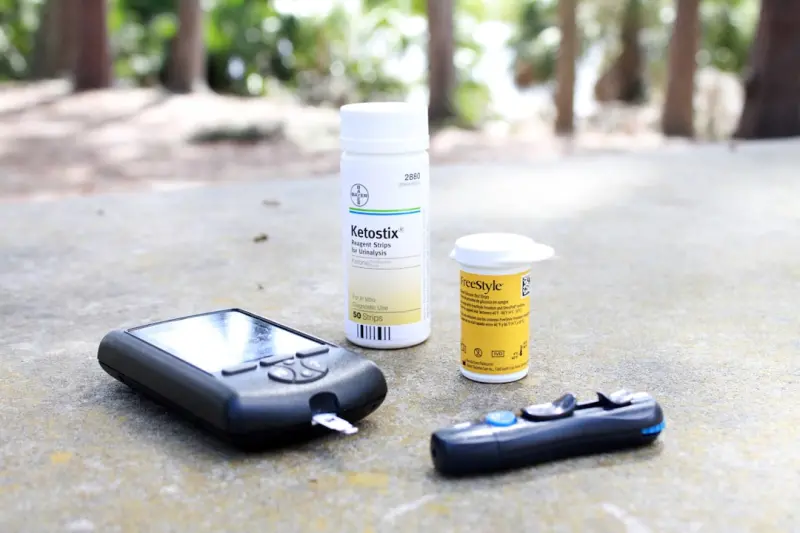
Glucose Budgeting: A Fresh, Sustainable Way to Manage Blood Sugar
Treat blood sugar management like a personal finance project: track carb “income,” log glucose â... Read More

Fueling Focus: Engineering Blood Sugar for High‑Stakes Creativity
A practical guide to using protein‑fiber pairings, micro‑fuel snacks, liver support, and stressâ... Read More

Mastering Blood Sugar with Timing, Food, and Simple Lifestyle Tweaks
Learn how to naturally steady your glucose levels using timing, fiber‑rich foods, short movement b... Read More
Top Posts

Unlocking Your Body’s Natural Detox: A Lymph‑Focused Blueprint
A fresh, seven‑day guide shows how simple movements, mindful hydration, breathwork, and seasonal nutrition can supercharge your body’s natural detox pathway...Read More

Holistic Healing Paths for Cancer: My Journey to Empowered Wellness
I share my holistic roadmap for cancer—combining nutrition, gentle detox, mind‑body tools, and community strength—to help you reclaim vitality and find ho...Read More
The Liver’s Quiet Power: A High‑Performance Playbook for Metabolic Resilience
A practical, science‑backed guide shows high‑performers how to align nutrition, micro‑habits, and workspace design to optimize liver function and unlock l...Read More

Navigating Sleep Terrors: A Practical Guide to Calm Nights
Sleep terrors can feel overwhelming, but understanding their triggers and applying practical habits can restore calm. This guide offers actionable tips for a pe...Read More
0 Comments
Post Comment
You will need to Login or Register to comment on this post!