
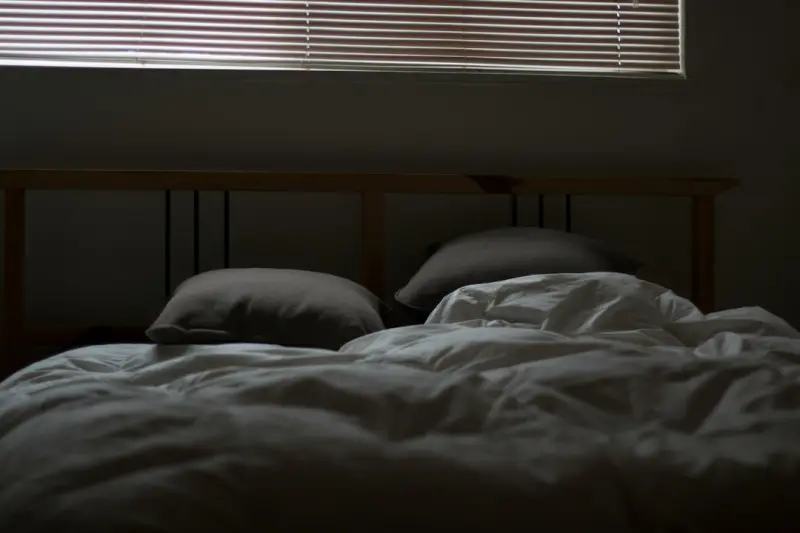
When the Brain Won’t Clock Out: Rethinking Insomnia Beyond the Toss‑and‑Turn
Insomnia feels like a stubborn guest who refuses to leave the party, lingering in the quiet hours and demanding your attention. I’ve spent countless nights staring at the ceiling, counting breaths, and replaying the same mental loops. Over time, I realized that the problem isn’t just “can’t sleep” – it’s an ecosystem of habits, environments, and expectations that conspire against restorative rest. This piece is my attempt to map that ecosystem, point out the blind spots, and share actionable tactics that have shifted my own night‑time narrative.
The Hidden Architecture of Night‑Time Wakefulness
Most of us think of sleep as a single block of time, a monolithic state we either achieve or miss. In reality, sleep is a dynamic architecture composed of cycles, stages, and micro‑rhythms. When any one of these layers is out of sync, the whole structure collapses, and insomnia takes the stage. Below are three often‑overlooked pillars that shape the architecture:
- Chronobiology (your internal clock) – The circadian rhythm governs hormone release, body temperature, and alertness. Even a small shift in light exposure can push the rhythm off‑beat.
- Neuro‑sensory load – The brain’s “background noise” – from smartphone notifications to ambient room temperature – creates a sensory landscape that can either lull or agitate.
- Emotional residue – Unprocessed stress, anxiety, or excitement can linger in the limbic system, turning the mind into a restless guest.
Understanding these pillars helps us move beyond the simplistic “just go to bed earlier” advice and toward a nuanced, personalized plan.
Lighting the Way (or Not) – How Home Light Shapes Your Sleep
One of the most powerful, yet invisible, influencers of insomnia is light. Not just the glaring glare of a bedside lamp, but the subtle quality of ambient light that fills your home from sunrise to midnight. The spectrum, intensity, and timing of light exposure dictate melatonin production, the hormone that signals “time to wind down.”
When I first examined my own space, I discovered that my living room’s large windows let in a flood of blue‑rich daylight well into the evening, while my bedroom’s soft amber bulbs were insufficient to cue a proper wind‑down. Adjusting these factors made a noticeable difference.
For a deeper dive on how air and light interact with other bodily systems, check out the science behind home environment’s influence on health. While that article focuses on blood sugar, the principles of light exposure translate directly to sleep regulation.
Digital Overload: The Brain’s Midnight Alarm Clock
Our devices are designed to capture attention, and they do so relentlessly. The blue light emitted by screens suppresses melatonin, while the endless scroll of social feeds keeps the brain in a state of alertness. I used to think a quick check of emails before bed was harmless. The reality? Even a five‑minute scroll can extend sleep latency by up to 30 minutes.
Adopting a mindful digital routine is less about a total shutdown and more about strategic disengagement. Here are the steps that helped me reclaim my evenings:
- Set a hard stop – Choose a specific time (e.g., 9:00 pm) when all screens go dark. Use “Do Not Disturb” and schedule automatic dimming.
- Shift to amber – If you must use a device, enable night‑mode or install blue‑light‑filter apps that shift the spectrum toward amber.
- Replace scrolling with a ritual – Swap the last 15 minutes of screen time for a calming activity: reading a physical book, gentle stretching, or journaling.
If you’re curious about the broader impact of digital habits on mental clarity, digital minimalism offers a roadmap for rebooting the brain. The same principles that sharpen focus during the day also prime the nervous system for sleep.
Nutrition’s Quiet Role in Nighttime Calm
What you eat—and when you eat—can either fuel a peaceful night or sabotage it. Certain nutrients act as natural sleep promoters, while others spike cortisol or blood sugar, triggering the brain’s alarm system.
Key nutrients for sleep:
- Magnesium – Supports GABA activity, the neurotransmitter that quiets neural firing.
- Tryptophan – A precursor to serotonin and melatonin; found in turkey, seeds, and nuts.
- Complex carbohydrates – Help shuttle tryptophan across the blood‑brain barrier.
Conversely, heavy meals high in saturated fat or caffeine within six hours of bedtime can cause digestion‑related discomfort and increase alertness.
My own “pre‑sleep snack” now consists of a small handful of almonds paired with a banana, delivering magnesium, tryptophan, and a modest carb load without overloading the digestive system.
Movement as a Sleep Primer
Exercise is a well‑known sleep enhancer, but timing matters. Vigorous activity too close to bedtime can elevate heart rate and body temperature, making it harder to fall asleep. I discovered a sweet spot: a moderate 30‑minute walk or gentle yoga session between 5 pm and 7 pm. This window allows the body to reap the hormonal benefits—boosted endorphins and lowered cortisol—while still giving enough time for the core temperature to dip, a signal that promotes sleep.
For those whose jobs demand long hours at a desk, integrating micro‑movement breaks throughout the day can prevent the “wired‑up” feeling that spills over into the night. Even a minute of standing, stretching, or a quick walk around the office can reset the nervous system.
Mindful Unwinding: Rewriting the Pre‑Sleep Narrative
Insomnia thrives on mental chatter. The more you chase sleep, the more elusive it becomes—a paradox known as the “paradoxical intention” effect. Instead of demanding sleep, I learned to shift focus to a gentle, non‑goal‑oriented activity.
One practice that transformed my nights is the “5‑5‑5” breathing technique:
- Inhale slowly for a count of five.
- Hold the breath for five seconds.
- Exhale gently for five seconds.
Repeating this pattern for a few minutes engages the parasympathetic nervous system, lowering heart rate and signaling safety to the brain. Pair this with a gratitude journal—writing down three things you appreciate from the day—helps redirect the mind from anxiety to calm.
Environmental Tweaks That Actually Work
Beyond light, other environmental factors play a role:
- Temperature – Aim for a bedroom temperature around 65 °F (18‑19 °C). A cooler environment supports the natural drop in core body temperature needed for sleep onset.
- Noise – White noise machines or fan sounds can mask disruptive household noises. If you’re a light sleeper, experiment with pink or brown noise for a deeper, less “tinny” sound.
- Bed comfort – Mattress firmness is subjective, but a supportive surface that maintains spinal alignment prevents micro‑twitches that can cause micro‑awakenings.
When Insomnia Persists: Knowing When to Seek Professional Help
While lifestyle tweaks can resolve many cases of insomnia, chronic patterns—lasting more than three months—may signal an underlying condition such as anxiety disorder, depression, or a sleep‑related breathing issue. If you find yourself:
- Consistently sleeping less than five hours per night,
- Relying on sleep aids more than twice a week, or
- Experiencing daytime impairment (fatigue, mood swings, reduced concentration),
it’s time to consult a sleep specialist. A thorough evaluation might include a sleep diary, actigraphy, or an in‑lab polysomnography study. Early intervention can prevent the cascade of health consequences tied to long‑term sleep deprivation.
Putting It All Together: A 7‑Day Reset Blueprint
Below is a concise, actionable plan to reset your sleep architecture. Feel free to adjust the timing and specifics to fit your lifestyle.
- Day 1 – Light Audit: Turn off all bright overhead lights after sunset. Use warm, dimmable lamps.
- Day 2 – Digital Sunset: Implement a 90‑minute screen‑free window before bed. Activate night‑mode on devices.
- Day 3 – Nutrition Shift: Replace evening coffee with herbal tea. Add a magnesium‑rich snack.
- Day 4 – Move Early: Schedule a 30‑minute walk or yoga session before 7 pm.
- Day 5 – Temperature Tune: Set bedroom thermostat to 65 °F. Use breathable linens.
- Day 6 – Soundscape: Try a white noise app for 30 minutes before sleep.
- Day 7 – Mindful Closure: Practice the 5‑5‑5 breathing and write three gratitude notes.
Track your sleep quality each night using a simple journal or a non‑invasive sleep tracker. Notice trends, celebrate small wins, and adjust as needed.
Final Thoughts: Embrace the Process, Not Just the Destination
Insomnia is rarely a one‑off event; it’s a pattern woven into daily habits, environments, and emotional habits. By treating sleep as a dynamic system—tuning light, managing digital input, nurturing the body, and calming the mind—you give yourself the best chance to reclaim restorative rest. The journey is personal, and the solutions are rarely “one size fits all.” Yet with curiosity, consistency, and a willingness to experiment, the stubborn night‑time guest can finally be shown the door.

Related Posts

The Silent Partner: How Your Phone Fuels Insomnia and What to Do About It
Becky Putman reveals how the glow of our devices fuels insomnia, offering actionable tips—from blu... Read More
Reprogramming Your Night: Turning Insomnia Into a Data‑Driven Ally
Learn how to treat insomnia as a feedback signal, using wearables, micro‑movement, lighting, and n... Read More

Digital CBT & Biofeedback: A Fresh Playbook for Conquering Sleepless Nights
A practical guide that blends cognitive‑behavioral therapy apps, wearable biofeedback, and AI slee... Read More
Top Posts

Rewiring Your Body’s GPS: Proprioceptive Play for Desk‑Bound Lives
I share my favorite proprioceptive exercises that turn a 9‑to‑5 desk job into a daily movement playground, keeping joints happy and the mind sharp....Read More
Beyond Treatment: Building Digital Communities for Cancer Resilience
Explore the power of digital peer support for cancer patients, learn how to choose the right platform, and turn online connections into a lifeline that compleme...Read More

Strategic Hydration: The Untapped Edge for Peak Health
Learn why water is more than a thirst‑quencher. This guide reveals a personalized hydration blueprint, links to liver support and nutrition strategies, and pr...Read More

Holistic Health Insurance: Sarah Gray’s Guide to Choosing Coverage That Supports Your Whole‑Self
Sarah Gray reveals how to select health insurance that honors your holistic lifestyle, covering essential therapies, preventive care, and cost‑saving strategi...Read More
0 Comments
Post Comment
You will need to Login or Register to comment on this post!