
The Gut-Brain Connection: Unlocking the Secrets to Optimal Gut Health
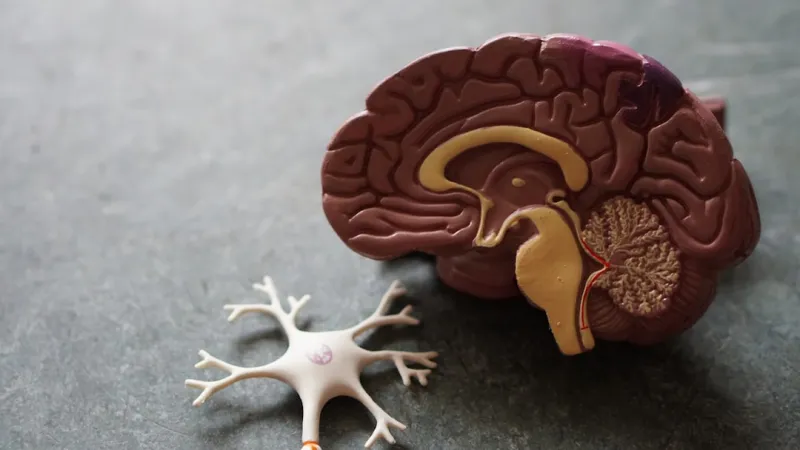
As we continue to navigate the complexities of modern life, it's becoming increasingly clear that our gut health plays a critical role in our overall wellbeing. The gut microbiome, comprised of trillions of microorganisms, is responsible for regulating everything from digestion and immune function to mood and cognitive function. In this article, we'll explore the intricacies of the gut-brain connection and provide actionable tips for optimizing your gut health.
The gut and brain are intricately linked through the vagus nerve, which enables bidirectional communication between the two. This complex network allows for the exchange of information and signals, influencing our emotions, behavior, and physiological responses. Research has shown that alterations in the gut microbiome, also known as dysbiosis, can contribute to a range of mental health disorders, including anxiety and depression. For instance, studies have found that individuals with anxiety and depression have altered gut microbiome compositions compared to healthy individuals.
The Impact of Diet on Gut Health
Diet plays a profound role in shaping the gut microbiome. A diet rich in processed foods, sugar, and unhealthy fats can disrupt the balance of the gut microbiome, leading to inflammation and oxidative stress. Conversely, a diet rich in fiber, polyphenols, and omega-3 fatty acids can promote the growth of beneficial microorganisms and support a healthy gut-brain axis. For example, a study published in the Journal of Agricultural and Food Chemistry found that a diet rich in polyphenols from fruits and vegetables can increase the abundance of beneficial microorganisms in the gut.
Incorporating fermented foods, such as kimchi and sauerkraut, into your diet can also provide a boost to gut health. These foods are rich in probiotics, which can help to populate the gut with beneficial microorganisms. Additionally, consider incorporating detoxifying foods into your diet, such as leafy greens and cruciferous vegetables, to support liver function and overall wellbeing.
The Role of Stress in Gut Health
Stress is a ubiquitous aspect of modern life, and its impact on gut health cannot be overstated. Chronic stress can disrupt the balance of the gut microbiome, leading to inflammation and alterations in the gut-brain axis. This can contribute to a range of symptoms, including irritable bowel syndrome (IBS), anxiety, and depression. For instance, studies have found that individuals with IBS have altered gut microbiome compositions and increased stress levels compared to healthy individuals.
To mitigate the effects of stress on gut health, consider incorporating stress-reducing practices into your daily routine, such as meditation and yoga. These practices can help to regulate the nervous system and promote a healthy gut-brain axis. For example, a study published in the Journal of Clinical Psychology found that mindfulness meditation can decrease symptoms of anxiety and depression in individuals with IBS.
The Importance of Sleep in Gut Health
Sleep is essential for overall health, and its impact on gut health is no exception. During sleep, the gut microbiome undergoes natural fluctuations, with certain microorganisms becoming more active during this time. Disruptions to sleep patterns, such as those experienced during shift work or travel, can disrupt the balance of the gut microbiome and contribute to inflammation. For instance, studies have found that individuals with sleep disorders have altered gut microbiome compositions and increased inflammation compared to healthy individuals.
To prioritize sleep and support gut health, aim for 7-9 hours of sleep per night and establish a consistent sleep schedule. Additionally, consider incorporating sleep-promoting strategies into your daily routine, such as avoiding screens before bedtime and creating a relaxing sleep environment.
The Connection Between Gut Health and Liver Function
The liver and gut are intricately linked, with the liver playing a critical role in detoxification and metabolism. Alterations in gut health can impact liver function, leading to inflammation and oxidative stress. Conversely, liver dysfunction can contribute to alterations in the gut microbiome, creating a vicious cycle. For example, studies have found that individuals with liver disease have altered gut microbiome compositions and increased inflammation compared to healthy individuals.
To support liver function and gut health, consider incorporating liver-supporting nutrients into your diet, such as milk thistle and vitamin E. Additionally, prioritize a healthy diet and lifestyle, including regular exercise and stress management.
Conclusion
The gut-brain connection is a complex and multifaceted relationship that plays a critical role in our overall wellbeing. By prioritizing a healthy diet, managing stress, and supporting sleep, we can promote a healthy gut microbiome and support optimal gut health. Additionally, by acknowledging the intricate relationships between gut health, liver function, and overall wellbeing, we can take a holistic approach to health and promote a balanced and thriving body.
To recap, the key takeaways from this article are:
* The gut microbiome plays a critical role in regulating digestion, immune function, mood, and cognitive function. * Diet, stress, and sleep all impact gut health and the gut-brain axis. * A holistic approach to health, including a healthy diet, stress management, and sleep prioritization, is essential for promoting optimal gut health.
By incorporating these strategies into your daily routine, you can take the first step towards optimizing your gut health and promoting overall wellbeing.
Future Research Directions
While we have made significant progress in understanding the gut-brain connection, there is still much to be learned. Future research should focus on elucidating the mechanisms by which the gut microbiome influences the brain and behavior. Additionally, studies should investigate the therapeutic potential of gut-targeted interventions, such as probiotics and prebiotics, for promoting mental health and wellbeing.
Take Action
Now that you've learned about the importance of gut health, it's time to take action. Start by incorporating some of the strategies outlined in this article into your daily routine. Here are some next steps you can take:
* Consult with a healthcare professional to develop a personalized plan for optimizing your gut health. * Start a food diary to track your diet and identify potential triggers for gut health issues. * Incorporate stress-reducing practices, such as meditation and yoga, into your daily routine.
By taking these steps, you can take control of your gut health and promote overall wellbeing.

Tammy French is a Montessori Teaching Assistant and freelance writer passionate about education, creativity, and inspiring lifelong learning through engaging content.
Related Posts

Gut Microbiome Mastery: The Hidden Engine Behind Focus and Resilience
Your gut’s trillions of microbes act as a silent command center influencing mood, cognition, and s... Read More
The Microbial Muse: How Gut Health Fuels Creative Excellence in SaaS
A fresh look at gut health reveals its powerful influence on creativity and mental agility, offering... Read More

The Hidden Power of Your Gut in Decision‑Making and Creativity
Discover a data‑driven gut‑health playbook that sharpens decision‑making, fuels creativity, an... Read More
Top Posts

Revitalizing Your Liver: Everyday Strategies for a Resilient Organ
Explore easy, science‑backed habits that boost liver function, including diet swaps, stress‑reduction techniques, movement, and sleep strategies, all design...Read More

Designing the Perfect Sensory Workout Zone
Learn how to turn your workout environment into a powerful training partner by adjusting light, sound, scent, temperature, and texture, unlocking higher focus, ...Read More

Cancer Prevention and Nutrition: A Holistic Approach
A holistic approach to cancer prevention incorporates a balanced diet, regular exercise, and stress management to reduce risk. Learn how to make sustainable lif...Read More

Breathwork and Rhythm: A Fresh Path to Balanced Blood Sugar
Learn a simple, sustainable approach to blood sugar management using breathwork, rhythmic movement, and community support for lasting metabolic balance....Read More
0 Comments
Post Comment
You will need to Login or Register to comment on this post!