
Why Longevity Is More Than a Biological Equation
When most people think about living longer, the conversation jumps straight to what we put in our bodies—vitamins, supplements, super‑foods, and the latest biotech. That’s an important piece of the puzzle, but it’s only the tip of the iceberg.
In my years of researching health trends for high‑performing professionals, I’ve repeatedly seen a hidden variable that flips the script: the quality of our social rhythm and the depth of our purpose. These are not “nice‑to‑have” extras; they are measurable levers that can stretch both lifespan and healthspan.
The Science Behind Social Rhythm
Human beings are wired for connection. Anthropologists have shown that early hunter‑gatherer groups who maintained tight‑knit social structures outlived their less cohesive peers. Modern science is catching up, revealing that regular, meaningful social interaction can blunt the biological markers of aging.
Here are three mechanisms that research is beginning to map out:
- Inflammation modulation: Positive social engagements trigger the release of oxytocin and other neuropeptides that dampen chronic inflammation, a known driver of age‑related disease.
- Telomere preservation: Studies link strong friendships and community involvement with longer telomeres—those protective caps at the ends of our chromosomes that shrink as we age.
- Stress buffer: Regular interaction with trusted peers provides a psychological safety net, reducing cortisol spikes that would otherwise accelerate cellular wear and tear.
Purpose: The Internal Compass That Defies Time
Purpose isn’t just a feel‑good buzzword. It’s a neuro‑behavioral driver that shapes our daily choices, influencing everything from diet to sleep hygiene. When we have a clear sense of why we get up each morning, our bodies respond with a cascade of longevity‑friendly hormones.
Two key pathways illustrate the link:
- Neuroplasticity activation: Engaging in purpose‑aligned activities stimulates dopamine and serotonin release, promoting neural growth and protecting against cognitive decline.
- Metabolic efficiency: People who report a strong sense of purpose tend to have better insulin sensitivity and healthier lipid profiles, even when controlling for diet and exercise.
Bridging the Gap: How to Build a Social Rhythm That Fuels Longevity
It’s one thing to understand the science; it’s another to turn that knowledge into daily habits. Below is a pragmatic playbook that can be woven into even the busiest executive schedule.
1. Schedule “Connection Blocks” Like Meetings
Just as you reserve a conference room for a client call, block out 30‑minute slots on your calendar for intentional social interaction. This could be a coffee catch‑up, a virtual brainstorming session with a mentor, or a weekly video game night with friends. The key is consistency—regularity signals to your nervous system that social contact is a non‑negotiable priority.
2. Leverage Community Hubs Outside Work
Whether it’s a local book club, a running group, or a volunteer organization, joining a community that meets in person at least once a week creates a rhythm that extends beyond office walls. The physical act of showing up—regardless of the activity—releases the same oxytocin surge you’d get from a hug.
3. Use Technology with Intent, Not Distraction
While the endless scroll can erode focus, purposeful digital tools can amplify social rhythm. For example, stress resilience technology can alert you when you’re spiraling into isolation‑induced anxiety, prompting a quick check‑in with a friend or a brief mindfulness break.
4. Create “Micro‑Rituals” with Loved Ones
Micro‑rituals are short, repeatable actions that embed connection into the day. Think of a 5‑minute gratitude exchange with a partner before dinner, or a quick text check‑in with a parent during lunch. Over time, these tiny habits compound, building a robust social scaffolding.
5. Align Your Social Calendar with Biological Peaks
Our bodies have natural peaks in alertness and sociability—often mid‑morning and early evening. Scheduling key social interactions during these windows maximizes engagement quality and reduces the cognitive load of forcing interaction during low‑energy periods.
Purpose‑Centric Practices for a Longer Life
Just as you’d curate a workout routine, you can design a purpose‑driven schedule that reinforces your “why.” Below are actionable steps that dovetail with the social rhythm framework.
1. Define a “Purpose Statement” in One Sentence
Clarity is power. Write a concise statement that captures the core contribution you want to make in the world. Place it where you’ll see it daily—your phone lock screen, your desk monitor, even your coffee mug.
2. Map Your Daily Tasks to That Statement
Each morning, identify at least one task that directly ties back to your purpose. When you execute it, you’re not just ticking a box; you’re feeding a neurochemical loop that sustains motivation and reduces stress.
3. Seek “Purpose‑Aligned Communities”
Just as you join social groups for connection, seek out communities that share your larger mission. This could be a professional association focused on sustainability, a startup incubator tackling health equity, or an online forum for creative storytelling. The synergy of shared purpose magnifies the longevity benefits of both social rhythm and meaning.
4. Celebrate Small Wins Publicly
Public acknowledgment triggers dopamine release, reinforcing purpose‑driven behavior. Whether it’s a shout‑out in a team Slack channel or a brief post on a community board, celebrating progress fuels the habit loop.
5. Periodically Re‑Evaluate Your Purpose Lens
Life evolves, and so does purpose. Schedule a quarterly “purpose audit”—a reflective session where you ask: Is my current work still aligned with my core statement? What adjustments are needed? This practice prevents drift, keeping the purpose engine humming.
The Interplay Between Social Rhythm, Purpose, and Other Longevity Pillars
Social rhythm and purpose don’t operate in isolation. They amplify other longevity strategies, creating a virtuous cycle.
Physical Activity
Joining a group fitness class not only gets you moving but also satisfies the social component. The shared endorphin surge after a class reinforces both connection and a sense of collective achievement.
Nutrition
When you eat meals with friends or family, you naturally slow down, savor food, and often make healthier choices. Moreover, purposeful cooking—like preparing meals for a community kitchen—infuses nutrition with meaning.
Sleep
Stress reduction from strong social ties and a clear purpose translates to lower cortisol levels at night, paving the way for deeper, more restorative sleep.
Mind‑Body Practices
Mindfulness, yoga, and breathwork become more potent when practiced in a group setting or when framed within a purpose‑driven context (e.g., “I’m meditating to better serve my community”).
Integrating Micro‑Biology: A Quick Note on Gut Health
Even though this piece isn’t about diet, it’s worth mentioning that a well‑balanced gut microbiome can act as a silent ally for both social and purpose‑driven longevity. A thriving gut communicates with the brain via the vagus nerve, influencing mood, motivation, and social behavior. For a deeper dive on how gut health can sharpen focus for remote work, check out Microbiome‑Powered Focus. The takeaway? A diet rich in fermented foods, diverse fibers, and low in processed sugars creates a microbial environment that supports emotional resilience and purpose‑driven drive.
Putting It All Together: Your 30‑Day Longevity Challenge
Ready to experiment? Here’s a structured 30‑day challenge that blends social rhythm, purpose, and a touch of gut health. Each day includes a micro‑action; consistency is the secret sauce.
- Day 1‑5: Write your one‑sentence purpose statement and share it with a trusted friend.
- Day 6‑10: Schedule three “connection blocks” per week. Use a calendar reminder.
- Day 11‑15: Join a local or virtual community group that aligns with your purpose.
- Day 16‑20: Add a fermented food (kimchi, kefir, tempeh) to at least one meal per day.
- Day 21‑25: Conduct a purpose audit. Adjust your statement if needed.
- Day 26‑30: Celebrate a win publicly—post a short note, send a gratitude email, or share a photo of a community activity.
At the end of the month, reflect on three metrics: how connected you felt, how clear your purpose felt, and any changes in energy or mood. You’ll likely notice a subtle but measurable shift toward a more vibrant, longer‑lasting self.
Final Thoughts: Longevity as a Lifestyle, Not a Checklist
True longevity is less about stacking isolated health hacks and more about orchestrating a harmonious lifestyle where social rhythm and purpose act as conductors. When these conductors are in tune, every other health habit—exercise, nutrition, sleep—plays its part more efficiently, creating a symphony that reverberates well beyond the average lifespan.
So the next time you hear “live longer,” ask yourself: How am I connecting, and why am I doing what I’m doing? The answers could be the most potent longevity boosters you’ve ever discovered.

Nikki McDonald is a freelancer based in Waterloo. She brings her skills and expertise to various projects, balancing her professional work with a personal life that includes her husband, Stewart.
Related Posts
Curiosity as a Longevity Engine: How Lifelong Learning Rewrites Your Biological Clock
Exploring the hidden link between curiosity, brain health, and aging, this article shows how lifelon... Read More
Brain‑Gym for Longevity: How Continuous Learning Fuels a Longer Life
Explore the emerging science that links deliberate learning and neuroplasticity to cellular repair, ... Read More
The Storytelling Edge: How Narrative Practices Supercharge Longevity
A deep dive into the science of narrative, showing how turning daily experiences into purposeful sto... Read More
Top Posts

Rethinking Health Insurance: A Holistic Blueprint for Modern Wellness
Explore a fresh perspective on health insurance that blends preventive care, wellness benefits, and holistic health, guiding you to smarter coverage choices....Read More

The Digital Birth Companion: How AI and Wearables are Shaping Modern Pregnancy
A deep dive into how AI, wearables, and virtual communities are revolutionizing pregnancy, offering personalized birth plans, real‑time health monitoring, and...Read More
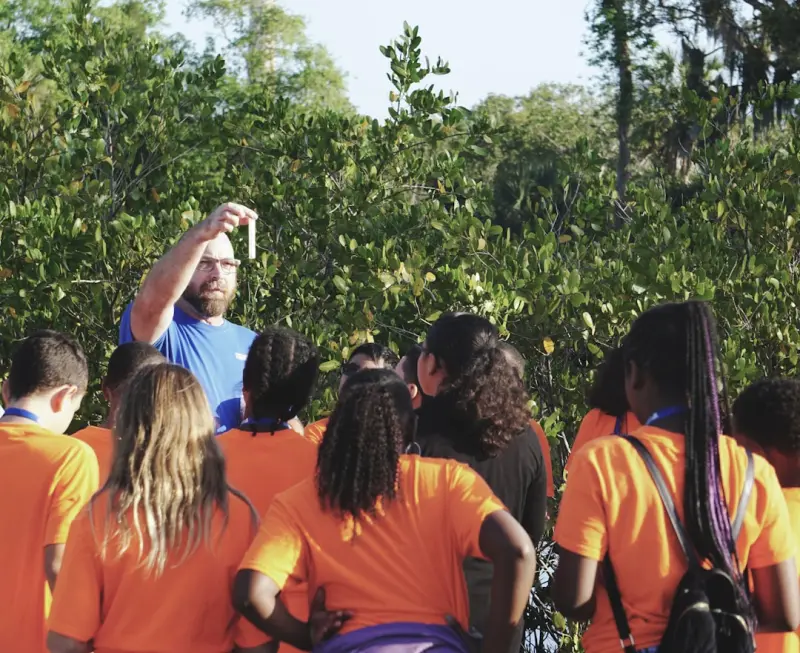
Nature’s Classroom: How Outdoor Immersion Supercharges Your Brain
Explore the science behind forest immersion and learn actionable steps to harness nature’s neurogenic benefits for sharper focus, deeper creativity, and lasti...Read More

Storytelling for Seniors: Harnessing Life Narrative to Sharpen Memory and Mood
Sharing personal stories activates brain pathways, reduces isolation, and builds resilience. Learn simple daily practices, group circles, and digital projects t...Read More
0 Comments
Post Comment
You will need to Login or Register to comment on this post!