
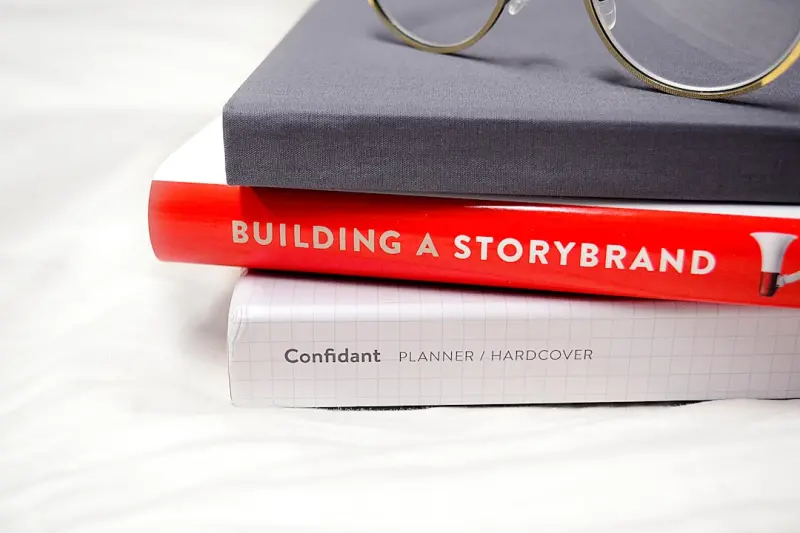
Why the Stories We Tell Matter More Than the Years We Count
When most people think about living longer, they picture a fountain of youth, a cutting‑edge supplement, or a relentless workout routine. I’ve spent the last decade watching executives, founders, and creative teams chase those external fixes, only to discover a quieter, more resilient lever hidden in plain sight: the stories we live by. The narratives we construct about ourselves, our work, and our place in the world shape not just our mindset, but the very biology of aging. In this piece I’ll unpack how intentional storytelling can rewire stress responses, nurture social bonds, and create a cognitive reserve that buffers the wear and tear of modern life.
The Neuroscience of Narrative: A Brief Primer
Our brains are wired for stories. From the moment we can speak, we use narrative to make sense of chaos. This isn’t just a cultural quirk; it’s a survival mechanism. When we frame a challenging event as part of a larger arc—“this setback is a stepping stone”—the amygdala’s alarm signal is tempered, and the prefrontal cortex can engage in problem‑solving rather than fight‑or‑flight. Over time, this pattern of reframing reduces chronic cortisol exposure, a known accelerator of cellular aging. In other words, the more adept we become at turning stress into plot twists, the less our cells feel the strain.
From Passive Consumption to Active Creation
Most of us consume stories—books, podcasts, social media feeds—without ever asking how they shape us. The shift from passive audience to active author is where longevity gains begin. Start by journaling a daily “hero’s journey” of your workday: identify the conflict, the ally, the lesson learned. This practice forces you to extract meaning from mundane moments, turning them into mental landmarks. Research shows that people who regularly reflect on personal meaning report lower inflammation markers and enjoy stronger immune responses.
Social Narrative: Building Community Through Shared Meaning
Longevity isn’t a solo sport. The stories we co‑author with friends, colleagues, and family form a social glue that buffers stress. Think of a weekly “story circle” at your company where teams share triumphs and setbacks in a narrative format. Not only does this cultivate psychological safety, it creates a collective memory bank that reinforces purpose. When individuals feel they belong to a larger narrative, the brain releases oxytocin, which in turn promotes heart health and improves sleep quality.
Leveraging cold exposure as a Narrative Anchor
Even physical practices can become narrative touchstones. Cold exposure, for instance, is often marketed as a performance hack, but its true longevity value lies in the story it tells your nervous system: “I can endure discomfort and emerge stronger.” By framing each cold shower or ice bath as a rite of passage within your personal saga, you amplify the hormetic benefits—enhanced mitochondrial function, improved circulation, and a resilient stress response—because the brain registers the experience as intentional growth rather than random stress.
Integrating natural detox strategies into Your Life Story
Detox isn’t about trendy cleanses; it’s about aligning daily habits with a narrative of renewal. Light exposure, movement, and lymphatic flow become chapters in a story of self‑maintenance. When you schedule a “sun‑rise walk” and label it “the morning reset,” you create a mental cue that signals the body to activate its own cleansing pathways. Over months, this habitual storytelling reinforces the physiological rhythm of detox, supporting cellular repair and prolonging vitality.
Technology, Data, and the Narrative Feedback Loop
Data can feel impersonal, yet when wrapped in a story, it becomes a compass. Imagine a health dashboard that not only shows sleep hours but narrates trends: “Your deep‑sleep consistency has risen, fueling your creative problem‑solving.” By translating metrics into plot points, you maintain engagement and motivation. This narrative feedback loop turns raw numbers into a living storyline that guides daily choices, ensuring that each habit is a purposeful plot development rather than a hollow task.
Designing a Longevity Narrative for Different Life Stages
Our stories evolve. In early career phases, the narrative may center on mastery and achievement; mid‑life often pivots to legacy and mentorship; later years can focus on wisdom sharing and community stewardship. Align your health strategies with these thematic shifts. For example, during a mentorship phase, prioritize brain‑boosting nutrients and social engagement that support cognitive reserve, reinforcing the story of “guiding the next generation.” By synchronizing health practices with the prevailing narrative, you create a seamless integration that feels natural and sustainable.
Putting It All Together: A 30‑Day Narrative Longevity Challenge
Ready to test the power of story? Here’s a simple framework you can adopt:
- Day 1‑7: Begin a daily “story journal.” Capture one challenge, one ally, and one lesson each day.
- Day 8‑14: Introduce a weekly “team story circle” at work or with a friend group.
- Day 15‑21: Add a physical narrative anchor—schedule three cold exposure sessions and label them “the resilience ritual.”
- Day 22‑30: Integrate a detox narrative: commit to a morning walk titled “the sunrise reset” and track its impact on mood and energy.
At the end of the month, review your journal for recurring themes and notice any shifts in stress perception, sleep quality, or overall vigor. You’ll likely discover that the act of storytelling has become a self‑reinforcing habit, one that continues to support longevity long after the challenge ends.
Final Thoughts: The Narrative Advantage
Longevity isn’t just about adding years; it’s about enriching the chapters we live. By consciously crafting our personal and collective stories, we tap into neurobiological pathways that mitigate stress, enhance immune function, and preserve cognitive health. The next time you hear a buzzword about a new supplement, ask yourself: “What story does this support?” If the answer is a meaningful narrative, you’ve found a true longevity lever—one that no pill can replace.

Nikki McDonald is a freelancer based in Waterloo. She brings her skills and expertise to various projects, balancing her professional work with a personal life that includes her husband, Stewart.
Related Posts
Biofeedback Mastery: Turning Real‑Time Data into a Longevity Advantage
Explore a data‑driven longevity framework that uses HRV, breathing, and wearable tech to create ha... Read More

Chrono‑Smart Living: How Timing, Tiny Stressors, and Community Can Extend Your Life
A unique longevity plan that syncs your daily habits with internal clocks, adds purposeful micro‑s... Read More

The Longevity Edge: Harnessing Purpose and Adaptive Resilience
A purpose‑first approach to longevity combines neuroscience, hormesis, social contribution, and en... Read More
Top Posts

Why Exercise Feels Like a Celebration, Not a Chore
Explore Tammy French’s vibrant take on exercise, where movement becomes a joyful ritual that nurtures mind, body, and spirit for lasting vitality and lifelong...Read More

Invisible Business Losses From Sleep Apnea—and What Leaders Can Do
Sleep apnea silently harms employee focus, decision‑making, and health, costing businesses billions annually. This article reveals the hidden productivity los...Read More
Rewriting the Food Narrative: Community, Creativity, and Nature in Eating Disorder Recovery
Discover fresh, holistic approaches—community kitchens, creative expression, and nature immersion—to rewrite your relationship with food and foster lasting ...Read More

Guarding the Gut Barrier: A Practical Blueprint for Whole‑Body Resilience
A leaky gut can sabotage performance, skin health, and blood‑sugar stability. This article explains the gut barrier’s role, red‑flag symptoms, and a 30‑...Read More
0 Comments
Post Comment
You will need to Login or Register to comment on this post!