

When I discovered I was pregnant, my first instinct wasn’t to leaf through old paper guides or scour the pharmacy aisle for “must‑have” products. I reached for my phone, opened a few apps, and started scrolling through forums where other moms‑to‑be were sharing real‑time data from their smart rings, AI‑driven symptom trackers, and even virtual doula chats. The experience felt like stepping into a tech‑savvy version of the ancient “birth circle,” only this time the circle is a cloud‑based network that can predict contractions, suggest nutrition tweaks, and connect you to a global community in seconds.
Why Digital Tools Are More Than a Trend
The pregnancy market has always been quick to adopt the latest health fads, from prenatal yoga to organic smoothies. But the current wave is different: it’s not just about buying the right product; it’s about integrating data streams that were once reserved for elite athletes or clinical trials. Wearable sensors can now monitor fetal heart rate, maternal temperature, and even stress hormones, feeding that information into machine‑learning models that spot patterns long before a symptom becomes noticeable.
This shift matters because pregnancy is a dynamic, highly individualized process. No two hormone curves look the same, no two placental developments follow the exact same timeline. By giving parents access to personalized, real‑time analytics, digital tools help demystify that variability and empower informed decision‑making.
AI‑Powered Birth Plans: From Wish Lists to Predictive Roadmaps
Traditional birth plans are often static documents: “I want an epidural,” “I’d like a water birth,” “No episiotomy.” While those preferences are still vital, AI can transform a wish list into a predictive roadmap that adjusts as your pregnancy evolves. Platforms that ingest data from prenatal visits, home‑monitoring devices, and even sleep trackers can forecast potential complications—like gestational diabetes or pre‑eclampsia—weeks in advance, prompting proactive conversations with your OB‑GYN.
Beyond risk prediction, AI can suggest optimal timing for interventions. For example, if a wearable detects a consistent rise in maternal cortisol levels during the third trimester, the system might recommend a calming meditation routine or a short‑term adjustment in diet. The result is a living document that evolves with you, rather than a static paper that quickly feels outdated.
Wearables That Track More Than Steps
Remember the days when a fitness tracker was just a glorified pedometer? Modern devices are now equipped with multi‑spectral sensors that capture heart rate variability, skin temperature, blood oxygen saturation, and even uterine activity. Some models even use acoustic microphones to listen for early contraction patterns, sending alerts to your phone if they cross a threshold.
These insights are not just “nice to have.” A study published in a leading obstetrics journal found that continuous monitoring of maternal heart rate variability can predict the onset of preterm labor up to 48 hours earlier than standard check‑ups. When paired with AI, the data becomes actionable: you receive a gentle nudge to schedule a telehealth consult, adjust your activity level, or try a specific breathing exercise.
Virtual Communities: Shared Wisdom at Scale
One of the most powerful aspects of digital pregnancy is the community component. Forums, live‑streamed Q&A sessions with midwives, and AI‑moderated chatrooms allow you to tap into collective knowledge that spans continents. The sense of belonging can reduce the isolation that many expectant parents feel, especially during times when in‑person support groups are limited.
These platforms also serve as data pools that improve the technology itself. When thousands of users share their experiences with a particular symptom or intervention, the aggregated data can fine‑tune predictive models, making the ecosystem smarter for everyone. Think of it as a crowdsourced “pregnancy encyclopedia” that evolves in real time.
Balancing Data with Intuition
Technology is a tool, not a replacement for the gut instincts that many mothers develop during pregnancy. The key is to treat data as a complementary guide rather than an authoritarian ruler. For instance, if an AI model suggests a dietary change based on hormone trends, you might cross‑reference that with traditional wisdom—like the benefits of certain herbal teas or the comfort of a familiar family recipe.
In practice, this balance looks like a dialogue: you log your symptoms, the platform offers evidence‑based suggestions, you discuss those suggestions with your healthcare provider, and you make a decision that feels right for you and your baby. When that loop works, it can reduce anxiety, improve outcomes, and deepen the trust you have in both your body and the technology you use.
Nutrition Meets Data: A Smarter Approach to Eating for Two
One of the most exciting intersections of tech and pregnancy is the way nutrition advice is being personalized. While many articles discuss the importance of aligning meals with hormones for overall women's health, the same principles can be applied to the unique hormonal shifts of pregnancy. By tracking blood glucose spikes, micronutrient levels, and even gut microbiome changes, AI can suggest meal plans that support both maternal energy and fetal development.
For example, if your wearable detects a dip in magnesium after a particularly stressful day, the platform might recommend magnesium‑rich foods or a short‑term supplement. If your gut microbiome analysis—now available through at‑home kits—shows a decrease in beneficial Bifidobacteria, the system could suggest probiotic foods or fermented options that are safe for pregnancy.
The Hidden Role of the Gut in Pregnancy
Speaking of the gut, recent research highlights its influence on everything from mood regulation to immune function during pregnancy. A healthy digestive ecosystem can help mitigate morning sickness, support nutrient absorption, and even influence the baby's future microbiome. Platforms that integrate data from stool analyses can provide actionable insights, such as which prebiotic fibers to incorporate or which fermented foods are most beneficial. Explore more on the topic gut health during pregnancy and how it can be a game‑changer for both mom and baby.
Preparing for Labor: The Digital Birth Suite
Labor is where data truly shines. Real‑time contraction monitoring apps can differentiate between Braxton‑Hicks and true labor patterns, reducing unnecessary hospital trips. Some platforms sync directly with hospital EMR systems, so your care team has instant access to your baseline metrics, eliminating the need for repetitive questioning.
Additionally, virtual reality (VR) modules are emerging that guide you through immersive breathing and visualization exercises, tailored to your physiological data. If your heart rate spikes during a contraction, the VR system can suggest a specific breathing rhythm to help you stay calm and conserve energy.
Looking Ahead: The Next Generation of Pregnancy Tech
As we look to the future, we can expect even tighter integration between genetics, epigenetics, and everyday wearables. Imagine a scenario where a simple saliva test reveals your baby's genetic predispositions, and your wearable adjusts nutrient recommendations accordingly. Or consider AI‑driven emotional support bots that recognize subtle changes in your voice tone, offering a calming playlist or a mindfulness prompt before stress escalates.
These innovations will likely bring new ethical discussions—privacy, data ownership, and algorithmic bias will need careful navigation. But the promise is clear: a future where pregnancy is less about navigating uncertainty and more about co‑creating a personalized, data‑informed journey with your baby.
Whether you’re a first‑time parent, a seasoned pro, or a supportive partner, embracing the digital birth companion can transform the way you experience pregnancy. It’s not about surrendering control to a screen; it’s about adding a layer of insight that helps you listen more deeply to your own body and the tiny life growing inside.

Jessica Hall is a dynamic freelance writer based in the vibrant city of London, Ontario. As a dedicated single mom, she expertly juggles the demands of parenthood with her passion for storytelling, crafting compelling narratives that resonate with readers. With a background in retail, Jessica brings a unique perspective to her writing, infusing her work with insights drawn from her experiences
Related Posts

The Mental Health Journey During Pregnancy: A Holistic Approach
Pregnancy is a transformative experience that brings significant physical, emotional, and psychologi... Read More

Crafting Your Pregnancy Narrative: From Storyboard to Birth Stage
Discover a fresh approach to pregnancy by treating it as a living story—design your birth environm... Read More

Nurturing Your Inner Landscape: A Holistic Guide for Expectant Moms
This article offers a comprehensive, soul‑nourishing roadmap for pregnant women, covering environm... Read More
Top Posts
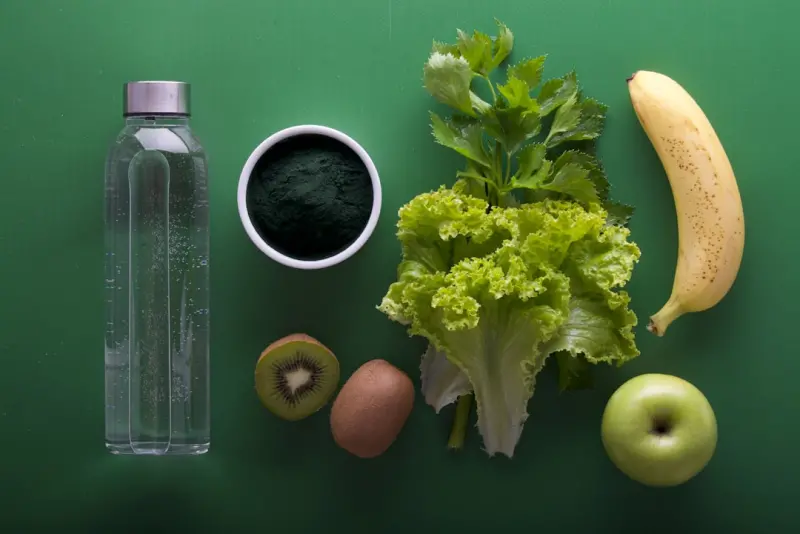
Decoding Nutrient Density: How to Choose Foods That Truly Fuel Your Body
Discover a practical approach to selecting truly nutrient‑dense foods, from label hacks to seasonal choices, and transform everyday meals into powerful health...Read More

The Healing Touch: How Gentle Infant Massage Boosts Health and Connection
A comprehensive look at how gentle infant massage supports digestion, growth, immune function, and bonding, with practical tips, common concerns, and real‑wor...Read More
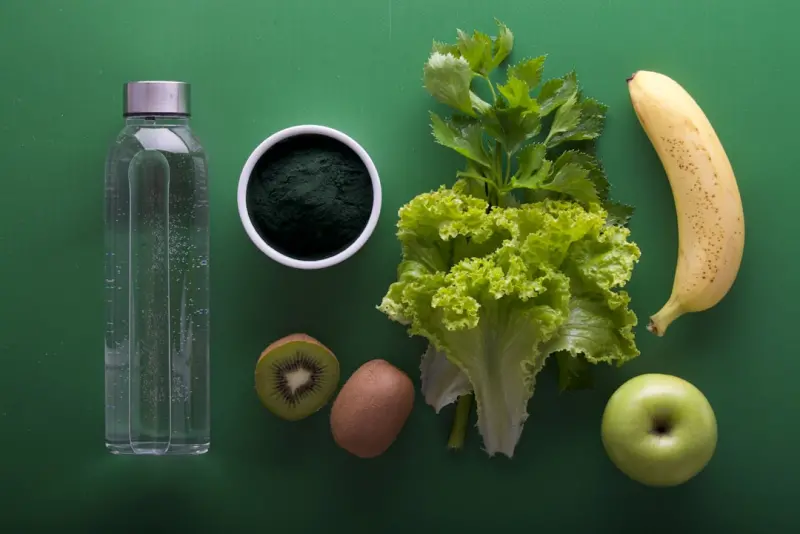
Unlocking the Power of Food Synergy: How Smart Pairings Boost Your Nutrition
Learn how pairing the right foods—like iron with vitamin C or fats with fat‑soluble vitamins—can dramatically improve nutrient absorption and overall he...Read More

When Screens Meet Plates: Redefining Eating Disorders in the Digital Age
A fresh perspective on how online culture shapes eating disorders and actionable steps to reclaim control over food and self‑image....Read More
0 Comments
Post Comment
You will need to Login or Register to comment on this post!