
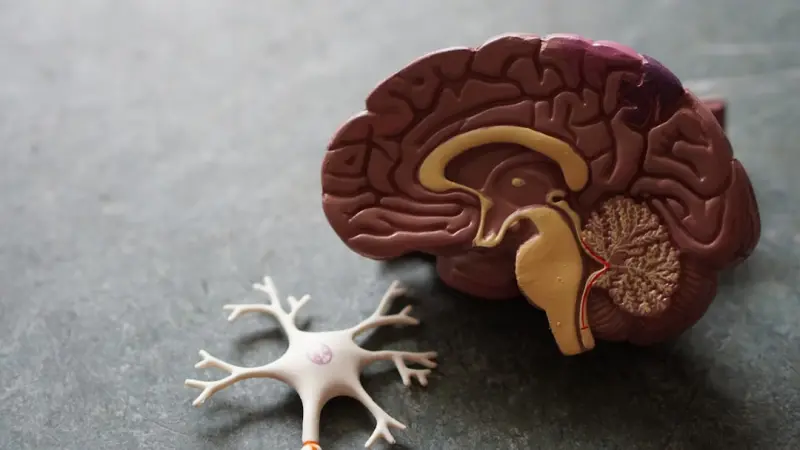
Why the Brain Is the New Fountain of Youth
When I first heard the phrase “the brain is the new heart” I laughed. My background in data‑driven health tech taught me that longevity has always been a tug‑of‑war between genetics, environment, and behavior. Yet, as the science of neuroplasticity matures, a surprising pattern is emerging: the very act of learning—whether it’s a new language, a musical instrument, or a complex problem‑solving hobby—creates biochemical cascades that mirror the best-known longevity interventions.
Neuroplasticity Meets Cellular Repair
Every time you challenge your brain, you trigger a cascade of brain‑derived neurotrophic factor (BDNF). BDNF is a protein that supports the survival of existing neurons and encourages the growth of new synaptic connections. What most people don’t realize is that BDNF also nudges peripheral tissues to up‑regulate repair pathways, including autophagy—the cellular “clean‑up crew” that clears out damaged proteins and organelles. Autophagy is a cornerstone of longevity research, and now we have a non‑pharmacological lever that can boost it on demand: hormetic stress.
In practice, this means that a 30‑minute session of deliberate practice—say, solving a Sudoku puzzle or learning a chord progression—does more than sharpen your mind. It signals to your cells that the environment is dynamic, prompting them to adopt a more resilient, maintenance‑oriented state.
The Cognitive Flexibility Blueprint
To translate this science into daily habits, I call it the Cognitive Flexibility Blueprint. It’s a framework built on three pillars:
- Novelty Exposure: Regularly introduce new, moderately challenging stimuli. This could be a language app, a coding bootcamp, or even rotating the route you take to work.
- Deliberate Practice: Engage in focused, effortful learning rather than passive consumption. The brain responds to the difficulty curve, not just the content.
- Reflective Integration: After each learning session, spend a few minutes journaling or discussing what you’ve learned. This consolidates memory and strengthens the neural pathways involved.
When you follow these steps, you’re essentially turning everyday life into a “brain‑gym” that conditions the mind for longevity.
Evidence From the Field
Several longitudinal studies have begun to tease apart the relationship between lifelong learning and mortality. A 20‑year cohort analysis of adults over 60 found that participants who engaged in at least one cognitively demanding hobby had a 15‑20% lower risk of all‑cause mortality compared to those who didn’t. The protective effect persisted even after adjusting for physical activity, diet, and socioeconomic status.
On a molecular level, researchers have measured BDNF spikes in participants who learned a new motor skill (like juggling) for just six weeks. Those spikes correlated with increased telomerase activity—a marker of cellular “youthfulness.” While telomerase is just one piece of the puzzle, it reinforces the notion that the brain can drive systemic anti‑aging mechanisms.
Integrating Learning With Existing Longevity Strategies
Most of our audience is already familiar with pillars such as sleep hygiene, nutrition timing, and hormetic stress. The Cognitive Flexibility Blueprint doesn’t replace these; it amplifies them. For example, pairing a morning learning session with sunlight exposure can synchronize circadian rhythms, enhancing both mental acuity and hormonal balance.
Moreover, the power of novelty aligns perfectly with the concept of tiny adventures. While tiny adventures emphasize external experiences—like a weekend hike—cognitive novelty focuses inward, turning the mind into the adventure itself.
Practical Tools for the Busy Professional
Implementing the blueprint doesn’t require a complete life overhaul. Here are three low‑friction tools that integrate seamlessly into a demanding schedule:
- Micro‑Learning Platforms: Use apps that deliver 5‑minute lessons on topics unrelated to your work. The key is variety; rotate subjects weekly.
- Spaced Repetition Software: Programs like Anki make it effortless to reinforce new knowledge over time, ensuring that the BDNF surge isn’t a one‑off event.
- Peer Teaching Circles: Form a small group of colleagues who meet monthly to teach each other a skill. The act of teaching doubles the neurochemical benefits.
Measuring Success: Beyond the Scale
Traditional longevity metrics—blood pressure, cholesterol, weight—remain essential. However, to gauge the impact of cognitive flexibility, consider adding these markers:
- Baseline and Follow‑up BDNF Levels: Blood tests can quantify the protein’s concentration, offering a direct readout of neuroplastic activity.
- Reaction Time Tests: Simple online tasks measuring how quickly you respond to visual stimuli can serve as a proxy for neural efficiency.
- Subjective Cognitive Resilience Scores: Periodic self‑assessments on focus, memory, and problem‑solving confidence can track perceived improvements.
When these metrics trend upward alongside traditional health indicators, you’ve built a synergistic longevity stack.
Storytelling As a Cognitive Accelerator
One often‑overlooked method for deepening learning is storytelling. By framing new information as a narrative, you engage multiple brain regions—visual, auditory, emotional—simultaneously. This multi‑modal activation not only cements memory but also stimulates the same stress‑resilience pathways activated by physical hormetic stress.
Try this: after learning a new concept, write a short story where the protagonist applies that concept to solve a problem. The act of narrative synthesis triggers dopamine release, reinforcing the learning loop.
Addressing Common Objections
“I don’t have time.” The brain’s response to learning is dose‑dependent, not duration‑dependent. Even 10 minutes of focused novelty can trigger BDNF release. The key is consistency, not marathon sessions.
“I’m not a “smart” person.” Neuroplasticity works for everyone. The brain is a muscle; the more you use it, the stronger it becomes. Starting with simple tasks—like learning a new word daily—sets the stage for more complex challenges.
“Will this replace physical exercise?” No. Physical movement remains a cornerstone of longevity, but cognitive training acts as a complementary pillar, especially for those whose bodies may have limitations.
Future Horizons: AI‑Driven Personalized Learning Paths
Imagine an AI platform that analyzes your genetic data, current health markers, and lifestyle habits to prescribe a weekly learning itinerary optimized for longevity. Such systems could dynamically adjust the difficulty, type, and timing of learning sessions to maximize BDNF spikes while minimizing cognitive fatigue.
We’re already seeing early prototypes in the health‑tech space that blend wearable data (heart‑rate variability, sleep stages) with adaptive learning algorithms. While still experimental, these tools hint at a future where the brain’s “exercise” is as personalized as a workout plan.
Takeaway: Make Your Mind a Longevity Engine
Longevity is no longer just about the foods you eat, the hours you sleep, or the supplements you swallow. It’s also about the stories you tell yourself, the skills you acquire, and the mental challenges you willingly embrace. By embedding deliberate, novel learning into daily routines, you create a self‑reinforcing loop of neurochemical and cellular repair that can add years—both in quantity and quality—to your life.
Start small, stay consistent, and watch as your brain becomes not just a repository of knowledge, but a robust engine driving healthspan forward.

Tom Ferguson is a Canadian freelance writer with a passion for storytelling, current events, and thoughtful commentary. Drawing on years of writing experience, he shares engaging insights on a wide range of topics, bringing a uniquely Canadian perspective to his work.
Related Posts

Micro‑Adventures: Tiny Novel Experiences for a Longer, Healthier Life
Micro‑adventures—short, intentional bursts of novelty—stimulate neuroplasticity, diversify the... Read More
Longevity as a Skill: Building Resilience for a Longer Life
Longevity isn’t a matter of luck; it’s a skill you can train. This article outlines a practical,... Read More

The Hidden Levers of Longevity: Why Your Social Circle Might Be the Real Fountain of Youth
Longevity isn’t just about genetics or supplements; it’s deeply rooted in the people we surround... Read More
Top Posts

Unlocking Natural Body Detox: A Holistic Journey
A deep dive into practical, season‑aligned detox rituals, nutrient‑rich food pairings, and gentle movements that empower the body’s innate cleansing pathw...Read More

Listening to Your Gut for Real Wellness
A personal guide to recognizing and responding to the gut’s daily messages, offering simple habits that boost digestion, energy, and emotional balance....Read More

Cultivating Resilience: Community Gardens as a Healing Hub for Cancer Survivors
Discover how planting seeds in community gardens can improve immunity, reduce stress, and foster social connections for cancer patients, offering a holistic com...Read More
Turning Pre‑Diabetes Into a Community Power‑Play
Discover a fresh, community‑driven approach to pre‑diabetes that leverages gamified challenges, financial literacy, and policy advocacy to turn a silent hea...Read More
0 Comments
Post Comment
You will need to Login or Register to comment on this post!