

Why Gut Health Matters for Cognitive Stamina
When the office lights dim and the home office becomes the new headquarters, many of us notice a subtle shift in our focus. The culprit? Not the Wi‑Fi speed or the ergonomic chair, but the bustling community of microbes living in our intestines. While most conversations about productivity revolve around time‑blocking or caffeine, the gut microbiome is an under‑explored powerhouse that directly influences attention, mood, and stress resilience.
The Science of Microbial Neurotransmitters
Our gut houses roughly 100 trillion bacteria, fungi, and archaea—collectively known as the microbiota. These microscopic tenants produce a staggering array of bioactive compounds, including up to 90% of the body’s serotonin, a neurotransmitter traditionally associated with happiness and focus. They also generate gamma‑aminobutyric acid (GABA), dopamine, and short‑chain fatty acids (SCFAs) that cross the blood‑brain barrier and modulate neural pathways.
In a remote work setting, the brain’s ability to stay on task is constantly challenged by distractions, screen fatigue, and the psychological blur between “work” and “home.” When the gut microbiome is balanced, it sends steady streams of these neurotransmitters, essentially acting as an internal “focus‑coach” that helps keep the prefrontal cortex sharp.
Stress, Cortisol, and the Gut‑Brain Axis
Stress isn’t just a mental state; it’s a physiological cascade that begins in the gut. Chronic stress can increase intestinal permeability—often called “leaky gut”—allowing bacterial fragments to slip into circulation and trigger systemic inflammation. That inflammation feeds back to the brain, raising cortisol levels and eroding cognitive clarity.
Understanding this two‑way street is crucial for remote workers who may experience “Zoom fatigue” or the isolation stress of working solo. By nurturing a resilient gut barrier, you blunt the inflammatory loop and keep cortisol in check, preserving both mental stamina and emotional equilibrium.
Practical Steps for a Remote‑Ready Gut
Below are evidence‑based habits you can integrate into a typical work‑from‑home day. Each is designed to support microbial diversity, strengthen the gut lining, and optimize the production of neuroactive compounds.
- Start with a fiber‑rich breakfast. Soluble fibers from oats, chia seeds, and berries act as pre‑biotics, feeding beneficial bacteria that churn out SCFAs like butyrate—an anti‑inflammatory molecule linked to improved memory.
- Incorporate fermented foods. A daily spoonful of kimchi, sauerkraut, or kefir introduces live cultures that can colonize the gut and boost serotonin synthesis. For a deeper dive into fermentation’s role in modern nutrition, see Fermentation Frontiers.
- Time your meals around cognitive peaks. Aligning food intake with your circadian rhythm—eating a substantial lunch when your body’s core temperature naturally rises—enhances nutrient absorption and microbial activity.
- Stay hydrated with electrolyte‑balanced water. Dehydration compromises the mucosal layer of the gut, making it easier for harmful microbes to gain a foothold.
- Move deliberately. Short bouts of light exercise—think a 5‑minute walk or desk‑side stretch—stimulate gut motility, preventing stagnation that can lead to dysbiosis.
Meal Timing and the Digital Clock
Remote work often blurs the line between “working hours” and “off hours,” leading many to snack continuously. This constant grazing keeps insulin levels in a low‑grade swing and deprives gut bacteria of the fasting period they need to reset.
Implement a time‑restricted eating window of 8–10 hours. For instance, finish dinner by 7 p.m. and skip breakfast if you’re not a morning person. This fasting window encourages the growth of beneficial microbes that thrive on periodic nutrient scarcity, enhancing SCFA production and reducing inflammatory markers.
Probiotic Strategies Tailored to Your Work Rhythm
Not all probiotics are created equal. Strains such as Lactobacillus plantarum and Bifidobacterium longum have demonstrated the ability to lower cortisol and improve focus in clinical trials. When selecting a supplement, consider:
- Strain specificity. Look for clinically validated strains, not generic “multi‑strain” blends.
- CFU count. A daily dose of 10–20 billion colony‑forming units is sufficient for most adults.
- Delivery matrix. Capsules with enteric coating ensure the bacteria survive stomach acid and reach the intestine alive.
If you’re curious about how gut health intersects with other organ systems, the piece Feeding the Engine offers a deep dive on the gut‑liver partnership—knowledge that can further inform your probiotic choices.
Tools and Tech to Track Your Internal Ecosystem
Modern SaaS platforms aren’t just for project management; a growing number now provide microbiome analytics. These services combine at‑home stool test kits with AI‑driven insights, delivering personalized dietary recommendations, stress‑reduction techniques, and supplement protocols.
Key features to look for:
- Dynamic dashboards. Real‑time visualizations of microbial diversity, SCFA levels, and inflammation markers.
- Integration with wearables. Sync heart‑rate variability (HRV) and sleep data to see how gut health correlates with recovery.
- Actionable alerts. Notifications when your diet drifts from the optimal pre‑biotic balance or when a probiotic regimen needs a boost.
By treating your gut as a “second operating system,” you can fine‑tune it just as you would your project timelines, leading to measurable gains in focus and creativity.
Putting It All Together: A Sample Remote‑Work Day
Here’s a practical, hour‑by‑hour blueprint that weaves gut‑friendly habits into a typical remote schedule:
| Time | Action |
|---|---|
| 07:00 | Hydrate with 500 ml of mineral water; 5‑minute mindful breathing to lower cortisol. |
| 07:30 | Fiber‑rich oatmeal topped with berries, chia seeds, and a dollop of kefir. |
| 08:00 | Brief 5‑minute stretch; open the day’s task board. |
| 10:00 | Mid‑morning snack: a small handful of walnuts (pre‑biotic polyphenols). |
| 12:30 | Lunch – grilled salmon, quinoa, roasted veggies, and a side of kimchi. |
| 13:00 | 15‑minute walk outside; exposure to natural light supports circadian alignment. |
| 15:00 | Probiotic capsule (L. plantarum) with a glass of water. |
| 17:30 | Wrap up work, log gut‑health metrics in your SaaS dashboard. |
| 18:30 | Dinner – lentil soup with a splash of fermented miso; finish with a piece of dark chocolate. |
| 20:00 | Wind down with a short meditation; avoid screens to protect melatonin production. |
| 22:00 | Lights out; gut has a nightly fasting window to reset. |
Following a structured routine like this doesn’t feel restrictive—it simply gives your microbiome the consistency it craves, translating into clearer thinking, steadier mood, and a lower likelihood of the “mid‑afternoon slump.”
Future Outlook: The Gut‑Centric Workplace
Companies are beginning to recognize that employee performance isn’t just a function of software tools; it’s also about physiological readiness. Imagine a future where corporate wellness platforms incorporate microbiome screenings, and managers receive anonymized data on team stress levels tied to gut health markers. Such insights could drive policies around flexible lunch breaks, on‑site fermented food stations, and education on pre‑biotic cooking.
As remote work continues to evolve, the gut will likely become a central pillar of performance optimization—much like ergonomics or digital collaboration tools. The professionals who invest in their internal ecosystems now will enjoy a competitive edge in focus, creativity, and resilience.
Takeaway
Gut health isn’t a peripheral concern for remote workers; it’s a core driver of the cognitive horsepower you rely on daily. By feeding your microbiome with diverse fibers, fermented foods, strategic timing, and targeted probiotics, you create a biochemical environment that supports sustained attention, emotional balance, and stress resistance. Pair these habits with modern tracking tools, and you’ll have a data‑backed roadmap to a sharper, more productive you.

Tom Ferguson is a Canadian freelance writer with a passion for storytelling, current events, and thoughtful commentary. Drawing on years of writing experience, he shares engaging insights on a wide range of topics, bringing a uniquely Canadian perspective to his work.
Related Posts
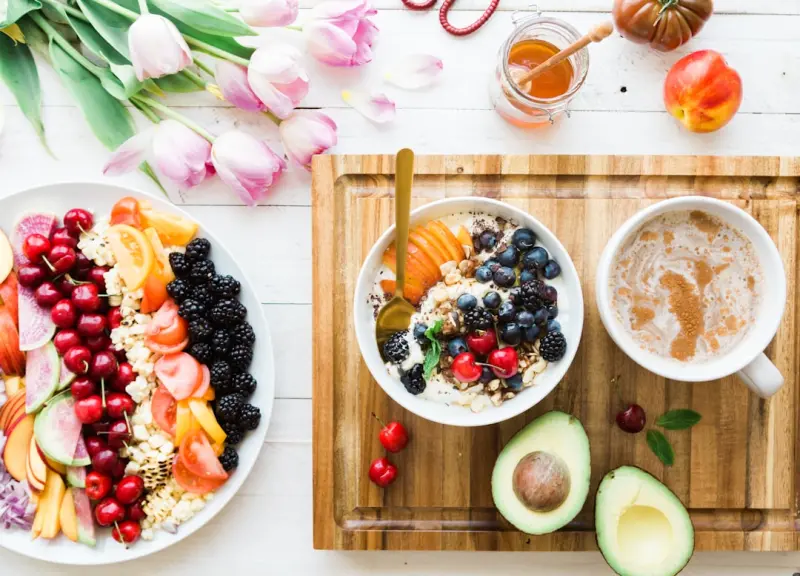
Reimagining Your Gut as a Creative Playground
Discover how treating your gut as a creative playground—through novel foods, mindful habits, and p... Read More

Syncing Your Gut Clock: How Meal Timing Fuels Microbiome Vitality
Tom Ferguson explains the science behind the gut’s internal clock and offers practical steps to sy... Read More
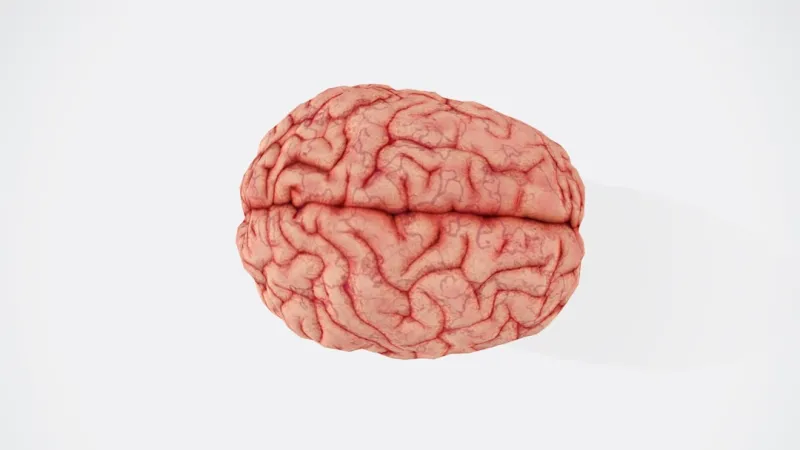
The Gut-Brain Connection: Unlocking the Secrets to Optimal Gut Health
The gut-brain connection is a critical aspect of our overall health and wellbeing. Learn how to supp... Read More
Top Posts
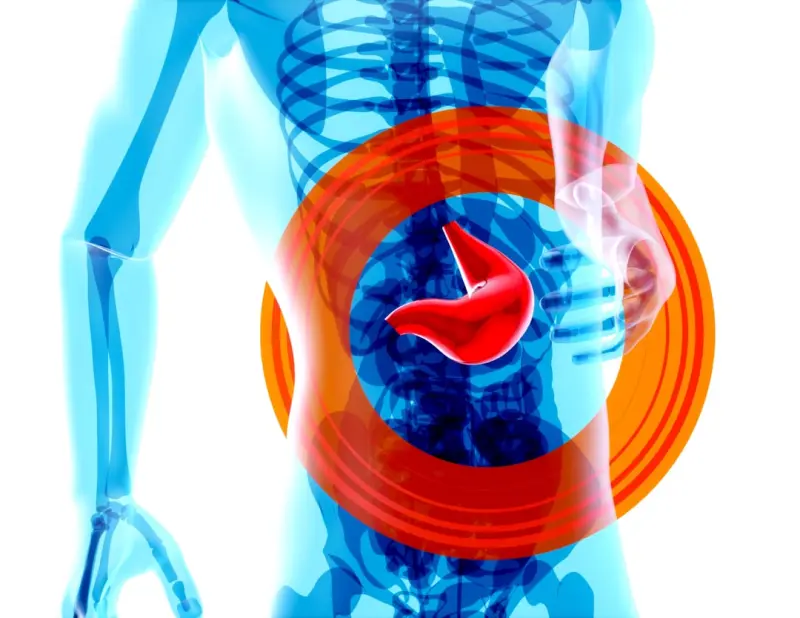
Unlocking Liver Vitality: A Holistic Blueprint for Peak Performance
A fresh, liver‑centric guide shows how functional testing, gut‑liver synergy, smart nutrition, and digital tools can transform energy, recovery, and long‑...Read More

Playful Curiosity: A Fresh Blueprint for Healthy Aging
A personal guide to using curiosity, play, and social storytelling to stay mentally sharp, physically agile, and emotionally fulfilled as you age....Read More
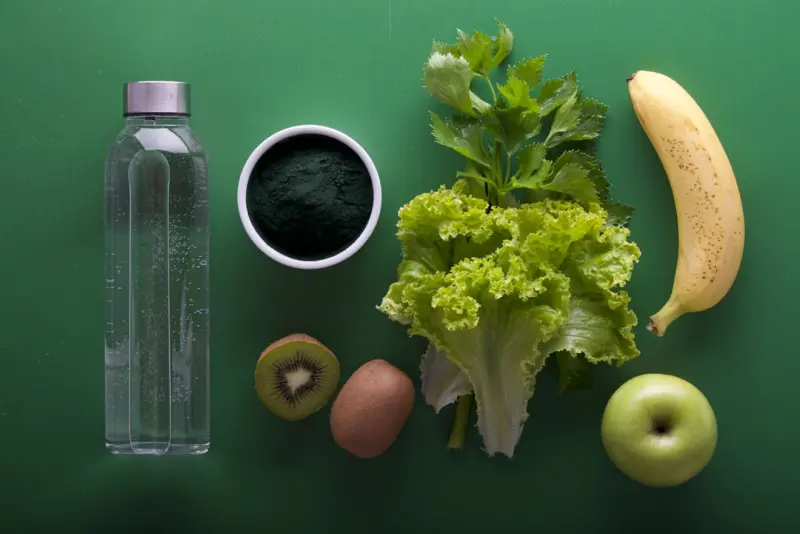
Snack Smart: Transforming Office Kitchens Into Gut‑Friendly Hubs
A practical roadmap shows how workplaces can shift snack culture to support the microbiome, improve mood, and enhance performance—all without sacrificing tast...Read More

The Hidden Power of Holistic Care in Your Baby’s First Year
A fresh, holistic perspective on infant health, blending sleep science, gut microbiome insights, and mindful nutrition to help parents give their newborns the s...Read More
0 Comments
Post Comment
You will need to Login or Register to comment on this post!