
Why Biofeedback Wearables Are the Next Frontier in Stress Management
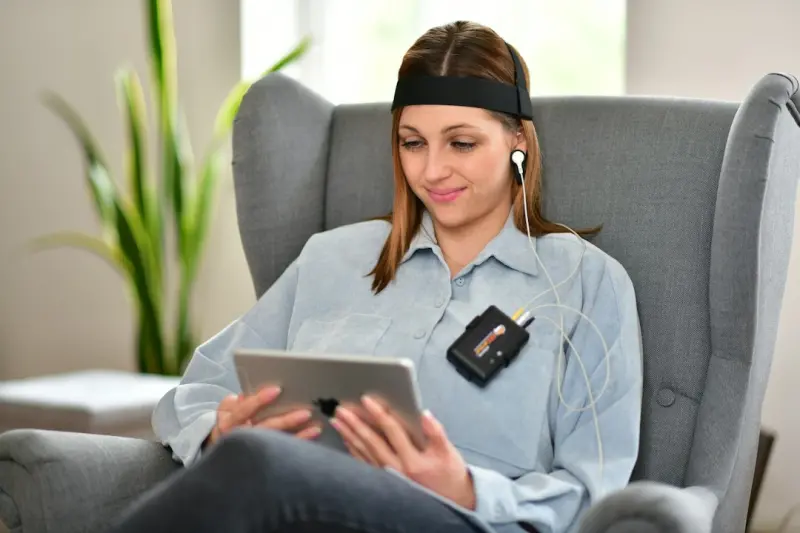
When the office buzz turns into a relentless drum of notifications, deadlines, and virtual meetings, our nervous system often bears the brunt. The old mantra “just relax” feels shallow when the body’s stress signals are flashing red on a screen you can’t see. Enter biofeedback wearables—a class of devices that translate physiological data into real‑time insights, allowing you to intervene before stress becomes chronic. In this post, I’ll walk you through how these gadgets work, why they matter for modern professionals, and how to blend them with simple environmental tweaks for a holistic resilience plan.
Biofeedback 101: Turning Your Body into a Dashboard
At its core, biofeedback is the art of making the invisible visible. Traditional biofeedback clinics used bulky machines to measure heart rate variability (HRV), skin conductance, or muscle tension. Today, sleek wristbands, smart rings, and clip‑on sensors capture the same metrics—often with clinical‑grade accuracy—while you go about your day.
- Heart Rate Variability (HRV): A window into the balance between your sympathetic (fight‑or‑flight) and parasympathetic (rest‑and‑digest) systems.
- Electrodermal Activity (EDA): Also known as skin conductance, it spikes when sweat gland activity rises—a reliable stress marker.
- Respiratory Rate & Depth: Shallow, rapid breaths signal anxiety; slower, diaphragmatic breathing indicates calm.
- Temperature & Motion: Peripheral temperature drops under stress, while movement patterns reveal tension build‑up.
By continuously streaming this data to a companion app, the wearable creates a personal health dashboard. When thresholds are crossed, gentle nudges—vibrations, on‑screen prompts, or even soft light cues—invite you to take a micro‑break, adjust your posture, or practice a breathing exercise.
From Data to Action: The Science Behind the Alerts
What separates a useful wearable from a novelty gadget is the algorithmic interpretation of raw signals. Modern devices employ machine learning models trained on thousands of anonymized user profiles to differentiate ordinary fluctuations from stress spikes. These models often incorporate contextual inputs such as time of day, calendar events, and even ambient conditions.
For example, a device might notice a sudden dip in HRV during a back‑to‑back meeting series and correlate that with the office’s ambient light and immunity profile—perhaps the lighting is too harsh, amplifying cortisol release. The app then suggests dimming the lights or using a blue‑light filter, turning a physiological signal into an actionable environment tweak.
Integrating Wearables Into a Busy Workday
Adopting a new habit is the hardest part of any health change. Here’s a step‑by‑step blueprint that fits seamlessly into a typical professional schedule:
- Morning Calibration: Spend five minutes after waking to sit still, breathe deeply, and let the device record a baseline HRV. This sets a personalized reference point.
- Scheduled Check‑Ins: Enable brief “pulse” notifications at the top of each hour. When the device detects a stress rise, it will vibrate subtly, prompting a 60‑second reset.
- Micro‑Recovery Rituals: Use the app’s guided breathing or progressive muscle relaxation modules. Even a single minute of box breathing (4‑4‑4‑4) can boost HRV dramatically.
- Evening Reflection: Review the day’s stress map. Identify patterns—maybe a spike after lunch correlates with a meeting in a bright conference room. This insight fuels targeted adjustments.
Consistency is key. The more data you feed the system, the smarter its recommendations become.
Data‑Driven Self‑Care: Turning Numbers into Wellness Wins
When you see a graph, you’re more likely to act. A 10‑percent HRV improvement over two weeks feels tangible, motivating further effort. Below are three practical ways to leverage the numbers you gather:
- Optimize Your Environment: Pair wearable insights with a calming workspace design. If stress alerts cluster near a particular desk, consider rearranging furniture, adding plants, or adjusting lighting.
- Tailor Physical Activity: When the device flags low HRV, a short walk or a set of movement breaks for brain health can restore balance. Even a 2‑minute stretch session boosts parasympathetic tone.
- Fine‑Tune Nutrition Timing: Some wearables integrate with food‑tracking apps. Aligning meals with periods of high HRV can enhance digestion and stabilize blood sugar, further reducing stress reactivity.
Beyond the Gadget: Complementary Lifestyle Shifts
While wearables provide a feedback loop, lasting resilience requires a broader lifestyle canvas. Here are evidence‑backed habits that amplify the benefits of biofeedback:
1. Light Management
Exposure to bright, blue‑rich light in the morning jump‑starts circadian rhythms, while dimming lights in the evening cues melatonin release. Pairing this with wearable data helps you spot if a late‑day screen binge is sabotaging sleep, prompting a pre‑bedtime wind‑down routine.
2. Mindful Breathing Spaces
Designate a “breathing nook” in your office—a quiet corner with a comfortable chair, a small plant, and perhaps a diffuser. When your wearable signals a spike, retreat to this space for a guided breath exercise.
3. Temperature Regulation
Cooler ambient temperatures (around 68‑70°F) encourage parasympathetic activation. If your device records a drop in peripheral temperature during stress, consider a light sweater or a portable fan to maintain comfort.
4. Social Micro‑Connections
Brief, positive social interactions—like a quick chat with a colleague or a friendly text—can quickly elevate HRV. Use the wearable’s “social cue” feature (available on many platforms) to remind you to reach out.
Practical Tips for Getting the Most Out of Your Wearable
To avoid information overload and ensure your device remains a supportive ally, follow these best practices:
- Set Personal Thresholds: Default alerts may be too sensitive. Adjust the sensitivity to match your baseline, ensuring you’re only notified for meaningful spikes.
- Limit Screen Time: Ironically, constantly checking the app can increase stress. Review data once in the morning and once before bed; trust the device’s real‑time nudges throughout the day.
- Combine Metrics: Don’t rely on HRV alone. Cross‑reference skin conductance, breathing, and movement for a holistic view.
- Maintain Device Hygiene: Clean sensors regularly and replace batteries or bands as recommended to guarantee accurate readings.
The Future Landscape: Where Biofeedback Is Headed
We’re only scratching the surface of what biofeedback wearables can achieve. Upcoming innovations include:
- Closed‑Loop Interventions: Devices that automatically trigger calming sounds, adjust room lighting, or even release aromatherapy scents when stress thresholds are breached.
- Integration with Mental Health Platforms: Seamless data sharing with teletherapy services, allowing clinicians to monitor progress between sessions.
- Advanced Predictive Analytics: AI that forecasts stress episodes days in advance, recommending proactive lifestyle changes.
As these technologies mature, the line between “wellness routine” and “real‑time health operating system” will blur, empowering individuals to steward their nervous system with unprecedented precision.
Conclusion: Harness the Feedback Loop for a Resilient Life
Stress is inevitable, but suffering from its chronic effects is not. By turning physiological signals into actionable insights, biofeedback wearables give you the agency to intervene before stress cascades into fatigue, burnout, or illness. Pair this technology with intentional environmental tweaks—like optimizing light, redesigning your workspace, and integrating playful movement—and you create a feedback loop that not only mitigates stress but builds a stronger, more adaptable nervous system.
Start small, stay consistent, and let the data guide you toward a calmer, more focused version of yourself. The future of personal health is already on your wrist—are you ready to listen?

Related Posts

Walking Meetings: The Hidden Catalyst for Healthier Bodies and Sharper Minds
Walking meetings turn ordinary agendas into kinetic health boosters, enhancing cardiovascular health... Read More

Why Your Smile Is the Gateway to Whole‑Body Health
A deep dive into how the health of your teeth and gums influences cardiovascular, brain, and immune ... Read More
Unlocking Everyday Energy: A Holistic Blueprint for Vibrant Health
A personal guide to harnessing natural energy through holistic habits, from gut balance to mindful m... Read More
Top Posts

The Packaging Paradox: How Modern Wrappers Undermine Your Gut Health
Modern food packaging introduces chemicals that destabilize the gut microbiome, leading to inflammation and metabolic issues. This article uncovers the hidden r...Read More

The Hidden ROI of Routine Health Check‑Ups for High‑Performing Men
A data‑driven approach to routine health check‑ups can transform a busy man's productivity, resilience, and long‑term wellbeing, turning preventive care i...Read More

When Autoimmune Meets Art: Crafting Resilience Through Creativity
I share my journey of turning autoimmune flare-ups into canvas moments, using art, narrative, and a supportive tribe to rewrite pain into power and cultivate la...Read More
Unlocking Hidden Levers: How Everyday Micro‑Habits Accelerate Fat Loss
A practical guide to using everyday habits like lighting, posture, breathwork, and social accountability to create metabolic momentum and support sustainable we...Read More
0 Comments
Post Comment
You will need to Login or Register to comment on this post!