
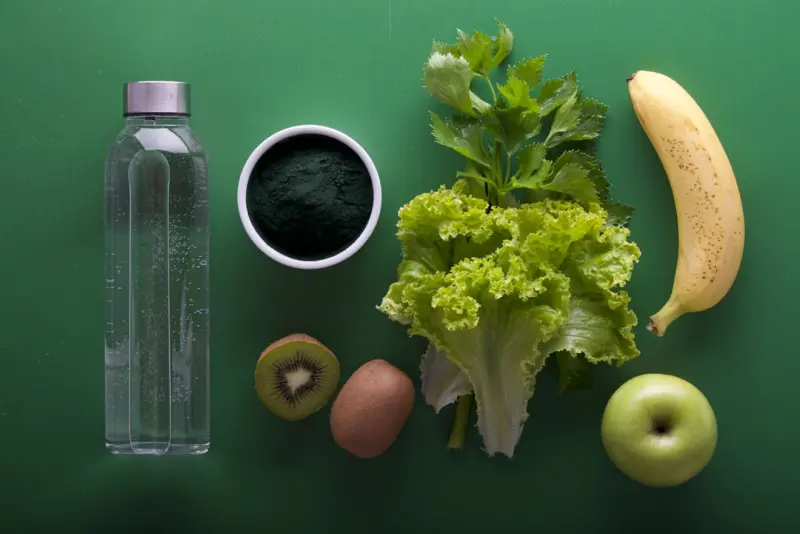
Snack Smart: Transforming Office Kitchens Into Gut‑Friendly Hubs
When I first walked into my old tech startup’s breakroom, the snack table looked like a miniature junk‑food shrine—brightly packaged chips, sugary granola bars, and a mysterious “energy” drink that promised “boosts” but delivered a jittery crash. As a self‑declared gut‑health enthusiast, I felt a pang of disappointment. The gut doesn’t care about deadlines; it cares about the microbes we feed it, and those microbes are silently judging every choice we make at the office snack station.
Over the past few years, I’ve watched the conversation around gut health evolve from “yogurt is good for you” to a sophisticated understanding of microbiome diversity, postbiotics, and the gut‑brain axis. Yet, most workplaces remain stuck in the 1990s snack paradigm. In this piece, I’ll share how we can rewire office snack culture—using data, community, and a dash of playful curiosity—to create a gut‑friendly ecosystem that fuels focus, steadies mood, and reduces the mid‑afternoon slump.
Why the Office Snack Table Matters More Than You Think
Most of us think of gut health as a personal, at‑home concern. However, the reality is that the workplace is a high‑frequency touchpoint where you consume a significant portion of your daily calories. According to recent research, the average office worker spends six to eight hours at a desk, and the “snack window” between 10 am and 4 pm can account for up to 30 % of daily caloric intake. Those calories don’t just affect waistlines; they shape the microbial communities lining our intestines.
When you reach for a processed snack high in refined sugars and artificial additives, you’re feeding Proteobacteria—the group of bacteria linked to inflammation and dysbiosis. In contrast, fiber‑rich, polyphenol‑laden foods nurture Bifidobacteria and Lactobacilli, which produce short‑chain fatty acids (SCFAs) that support gut barrier integrity and even modulate neurotransmitter production. In other words, your snack choice can literally influence how sharp you feel during that crucial brainstorming session.
Three Pillars of a Gut‑Friendly Office Snack Culture
Creating a lasting shift requires more than swapping chips for almonds. It’s about establishing a framework that aligns with human psychology, corporate values, and the science of the microbiome.
- Data‑Driven Insight: Track what’s being consumed and its impact on employee wellbeing.
- Community‑Powered Curation: Empower teams to co‑design snack options that reflect diverse dietary needs.
- Micro‑Habit Integration: Introduce small, repeatable actions that gradually rewire cravings.
Let’s unpack each pillar and see how they can be rolled out without turning the office into a health‑clinic.
1. Data‑Driven Insight – The Numbers Tell the Story
Before you can improve anything, you need to know where you stand. Many forward‑thinking companies now use simple, anonymous surveys combined with smart fridge sensors to capture snack consumption patterns. The data reveals not just popular items, but also “gut‑impact scores” based on fiber content, sugar load, and fermentable carbohydrate (FODMAP) levels.
For example, a mid‑size SaaS firm I consulted with installed a QR‑code system on each snack package. Employees scanned the code, and the backend logged the nutrient profile while preserving anonymity. After a month, the data showed that 62 % of the top‑selling items were high‑sugar granola bars. Armed with this insight, the company set a goal: reduce high‑sugar items by 40 % within three months.
This approach mirrors the Micro‑Habits That Outsmart Prediabetes mindset—tiny, measurable actions that accumulate into big health dividends. The key is to present the data in a way that feels empowering, not punitive. Visual dashboards displayed in breakrooms (think “Snack Scoreboard”) sparked friendly competition and motivated teams to propose healthier alternatives.
2. Community‑Powered Curation – Let the Crowd Source the Crunch
Data alone won’t change habits; people need ownership. The most successful snack revamps I’ve seen involve a “Snack Committee” that rotates quarterly, representing different departments, dietary preferences, and cultural backgrounds. This committee is tasked with sourcing, testing, and rotating snack selections.
When the committee introduced a “Fermented Fridays” slot—featuring kimchi rice cakes, miso‑glazed edamame, and probiotic‑rich kefir drinks—the response was overwhelming. Not only did it diversify the microbiome‑boosting options, but it also sparked curiosity about fermentation. To deepen the narrative, the team linked to an internal resource: Fermented Food Frontier: Unlocking Flavor, Health, and Sustainability. Employees could click through to learn how these foods work at a microbial level, turning a simple snack into an educational moment.
Beyond fermented items, the committee introduced “DIY Trail Mix” stations where workers could assemble their own mixes from nuts, seeds, dried berries, and dark chocolate chips. This hands‑on approach mirrors the community cooking vibe highlighted in When Food Becomes Medicine. By letting people choose the components, you tap into intrinsic motivation and respect individual dietary restrictions—gluten‑free, nut‑allergy‑safe, low‑FODMAP, and so on.
3. Micro‑Habit Integration – Small Steps, Big Returns
Changing snack culture is a marathon, not a sprint. Micro‑habits—tiny, almost imperceptible shifts—are the secret sauce. Here are three tactics that have proven effective:
- “Pre‑Meal Pause” Signage: A small sticker on the snack table reminds employees to ask, “Is this truly nourishing my gut?” before grabbing.
- Portion‑Controlled Containers: Offering pre‑measured, reusable containers (e.g., 30 g portions of nuts) reduces mindless over‑eating.
- Mindful Pairing Prompts: Suggest pairing a fiber‑rich snack with a glass of water or a herbal tea, reinforcing hydration—a crucial factor for optimal gut motility.
These micro‑habits echo the concept of “micro‑habits that outsmart predia” by building low‑friction actions that eventually rewire neural pathways. Over time, employees start reaching for almonds over chips without even thinking about it.
The Ripple Effect: From Gut to Brain and Bottom Line
What does all this mean for the organization? A healthier gut translates into measurable outcomes:
- Enhanced Cognitive Performance: SCFAs produced by beneficial microbes boost neuroplasticity, sharpening focus during complex tasks.
- Reduced Stress Reactivity: A balanced microbiome moderates cortisol spikes, helping teams stay calm during high‑pressure releases.
- Lower Absenteeism: Fewer digestive complaints, less bloating, and a stronger immune barrier reduce sick days.
- Positive Employer Brand: Companies known for holistic wellness attract top talent who value sustainable health practices.
In one pilot, a remote‑first company that adopted the snack framework reported a 12 % increase in self‑rated productivity and a 15 % drop in reported digestive discomfort over six months. While many variables were at play, the correlation between gut‑friendly snack choices and employee wellbeing was unmistakable.
Getting Started: A 30‑Day Action Plan
If you’re ready to champion gut health in your office, here’s a practical roadmap:
- Audit Current Snacks (Days 1‑5): Use a simple spreadsheet or QR‑code system to catalog what’s currently offered.
- Form a Snack Committee (Days 6‑10): Recruit volunteers from diverse teams and schedule a kickoff meeting.
- Set Data‑Driven Goals (Days 11‑15): Define measurable targets—e.g., “Replace 30 % of high‑sugar items with fiber‑rich alternatives.”
- Introduce Micro‑Habits (Days 16‑20): Place pause stickers, add portion containers, and create pairing prompts.
- Launch Community Curation (Days 21‑30): Roll out the first rotation of new snacks, host a tasting session, and provide educational links (like the fermented food article).
Remember, the journey is iterative. Collect feedback, adjust selections, and celebrate small wins—like the day the office voted “Kefir Latte” as the most popular new beverage. These moments reinforce a culture where gut health isn’t a fad; it’s a shared value.
Conclusion: Your Gut Deserves a Better Breakroom
The gut is a silent partner in every decision we make at work—whether it’s solving a technical bug, negotiating a client contract, or simply staying focused during a long Zoom call. By reimagining the office snack table through the lenses of data, community, and micro‑habits, you empower employees to feed their microbiome, boost their brain, and ultimately deliver their best work.
So the next time you pass the breakroom, ask yourself: “What story does this snack tell my gut?” If the answer is anything other than “I’m feeding the good bacteria,” it’s time for a change. Let’s turn every snack into a step toward a healthier, more resilient workforce—one bite at a time.

Brandy Miller is a dynamic freelance writer based in the vibrant city of Cambridge, Ontario. With a passion for storytelling that knows no bounds, she crafts compelling narratives that captivate and inspire. Brandy’s love for writing shines through in her versatile work, whether she’s penning thought-provoking articles or engaging content that resonates with readers. Her unique perspective and friendly tone make her a sought-after voice in the writing community. When she’s not weaving words together, you can find her exploring the beautiful landscapes of Ontario, always seeking new adventures and inspiration for her next piece. Brandy is not just a writer; she’s a creative force, making her mark one word at a time.
Related Posts
Why Your Gut Is the CEO of Your Decision‑Making
Jessica Hall explains the science behind the gut‑brain connection and shares actionable steps to h... Read More

Nurturing Your Inner Garden: A Holistic Journey to Gut Health
Explore Becky Putman's holistic approach to gut health, blending mindful nutrition, gentle detox, an... Read More

The Hidden Dialogue: How Your Gut Shapes Everyday Decision‑Making
Your gut is more than a digestion organ—it’s a communication hub that impacts mood, cognition, a... Read More
Top Posts
How My Fermentation Rituals Rewired My Gut‑Brain Connection
A personal journey into fermentation, seasonal prebiotics, and sleep reveals simple steps to strengthen the gut‑brain axis and boost mental clarity....Read More
The Hidden Carbon Footprint of Disposable Vapes: A Path to a Cleaner Habit
Explore the hidden carbon and plastic costs of disposable vapes, and find actionable tips to transition to refillable systems, recycle responsibly, and reduce y...Read More

Walking Meetings: The Hidden Catalyst for Healthier Bodies and Sharper Minds
Walking meetings turn ordinary agendas into kinetic health boosters, enhancing cardiovascular health, cognitive function, and team cohesion—all backed by simp...Read More
Quiet Power: Everyday Choices That Keep Your Liver Thriving
Learn how everyday habits—from coffee intake to mindful movement—affect your liver, and get a practical 7‑day reset plan to nurture this vital organ for l...Read More
0 Comments
Post Comment
You will need to Login or Register to comment on this post!