
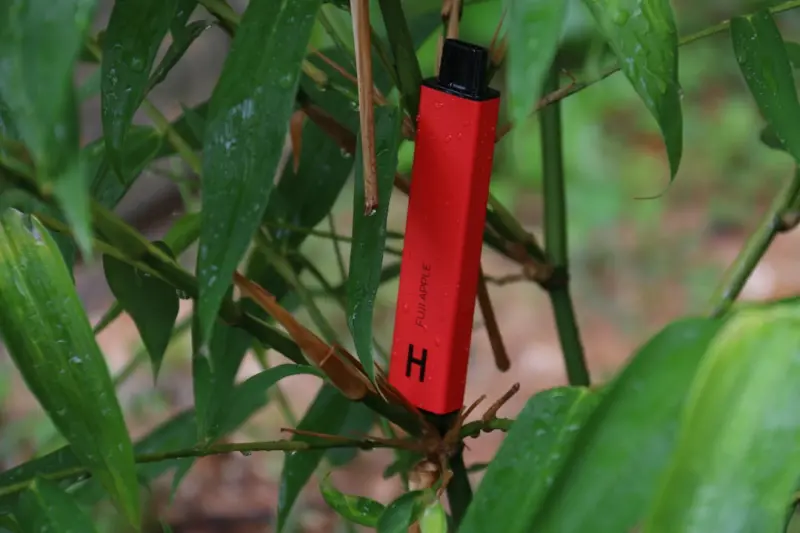
The Hidden Carbon Footprint of Disposable Vapes: A Path to a Cleaner Habit
When I first swapped my morning cigarettes for a sleek, fruit‑flavored disposable vape, I felt like I’d won a small personal victory. The sleek design, the promise of “no mess, no fuss,” and the gentle puff that didn’t leave a lingering smell made the transition feel modern and responsible. Yet, as weeks turned into months, a lingering question kept nudging at me: what happens to those tiny, glossy cartridges once they’re empty?
It’s a question many of us who have embraced the convenience of disposable vapes rarely ask. The answer, however, reveals a surprising environmental story that sits quietly behind the clouds of vapor. In this post, I’ll peel back the layers of the disposable vape supply chain, explore the hidden carbon and plastic costs, and share actionable steps you can take to make your nicotine habit greener without compromising on your health goals.
Why Disposable Vapes Aren’t the “Zero‑Waste” Solution They Appear to Be
On the surface, a disposable vape looks like the epitome of minimalism: a single‑use device that you toss when the e‑liquid runs out. But that simplicity is deceptive. Each unit typically contains:
- A battery (often lithium‑ion) that is sealed inside a plastic shell.
- A cartridge filled with nicotine‑salt e‑liquids, flavoring agents, and propylene glycol or vegetable glycerin.
- Electronic components such as a heating coil, a micro‑circuit, and a sensor.
All of these parts are made from a mix of metals, plastics, and chemicals that are not easily recyclable. The battery, for instance, contains lithium, cobalt, and nickel—materials that require specialized processing. The plastic housing is often a blend of polypropylene and polyethylene, which many municipal recycling programs cannot sort correctly.
According to recent industry reports, the global market for disposable vapes is projected to exceed one billion units annually. If even a fraction of those devices end up in landfills, the cumulative impact is staggering. Each device can weigh anywhere from 10 to 30 grams, meaning millions of kilograms of non‑biodegradable waste are added to an already strained waste stream each year.
The Carbon Cost of “Convenient” Nicotine
Beyond the plastic and metal waste, there’s the carbon emissions tied to production, transportation, and disposal. Let’s break it down:
- Manufacturing: The extraction of lithium for batteries and the refining of metals demand high energy inputs, often sourced from fossil fuels. Additionally, the manufacturing of flavored e‑liquids involves petrochemical derivatives that add to the carbon ledger.
- Packaging: Disposable vapes are usually individually boxed in thin cardboard with a plastic wrap, then bundled into larger cartons for shipping. This double‑layer packaging, while designed to protect the product, creates additional waste and emissions.
- Distribution: The devices travel long distances—from factories in Asia to distribution centers in the West—requiring air freight, trucking, and last‑mile delivery. Each mile adds CO₂ to the atmosphere.
- End‑of‑Life: When a disposable vape is thrown into a landfill, the battery can leach harmful chemicals into the soil, and the plastic may take centuries to decompose, releasing methane and other greenhouse gases in the process.
When you add these layers together, a single disposable vape can be responsible for roughly 0.5 to 1 kilogram of CO₂ equivalent emissions. Multiply that by the billions of units sold, and the climate impact becomes impossible to ignore.
Finding a Greener Alternative Without Giving Up Nicotine
So, what can we, as responsible adults juggling work, family, and personal wellness, do about it? The good news is that there are several pathways to reduce the environmental footprint of our nicotine consumption while still enjoying a smoother experience.
1. Switch to Refillable Pod Systems
Refillable pod systems are designed for repeated use. You purchase a durable device (often made of aluminum or high‑grade plastic) and simply refill the pod with e‑liquids of your choice. The benefits are twofold:
- Less waste: Instead of discarding an entire device, you replace only the e‑liquid cartridge, which can be made from recyclable materials.
- Lower carbon footprint: The production of a single reusable device spreads its manufacturing emissions over many uses, dramatically reducing per‑use CO₂.
If you’re concerned about the learning curve, many brands now offer “no‑mess” refill pods that snap into place, eliminating the need for complicated drip tips.
2. Embrace “Zero‑Waste” Nicotine Alternatives
For those who are open to moving away from vaping altogether, nicotine replacement therapy (NRT) like patches, gums, and lozenges offers a low‑impact solution. These products are often packaged in recyclable materials, and the active ingredient (nicotine) is the same, just delivered through a different route. A study on Modern Vaping Trends highlighted that many users who transition to NRT report comparable satisfaction with fewer environmental concerns.
3. Participate in Manufacturer Take‑Back Programs
Some vape manufacturers have started “take‑back” or “recycling” initiatives, encouraging users to send back used devices for proper dismantling. While these programs are still in early stages, they represent a promising model for closing the loop on device waste. Look for QR codes on packaging or visit the brand’s website for details.
4. Adopt “Micro‑Breaks” to Manage Cravings
When the urge to puff strikes, a quick physical or mental reset can be surprisingly effective. I’ve found that a tiny movement break—a 30‑second stretch, a walk to the kitchen, or even a few deep breaths—helps reset the brain’s reward pathways. Over time, you’ll notice a reduction in the compulsive need for a hit, which translates into fewer disposables used.
Practical Tips to Reduce Your Vape Waste Starting Today
Implementing greener habits doesn’t have to be an all‑or‑nothing overhaul. Below are actionable steps you can integrate into your routine, whether you’re a seasoned vaper or just curious about sustainability.
- Track your usage: Use a simple notebook or a habit‑tracking app to log how many disposables you go through each week. Awareness is the first step toward reduction.
- Set a “refill reminder”: When you notice the battery indicator dimming, instead of discarding the whole device, consider switching to a refillable pod if compatible.
- Choose recyclable packaging: Look for brands that use cardboard or biodegradable wrappers. Avoid those with excessive plastic wrapping.
- Support eco‑friendly brands: Companies that invest in sustainable sourcing for nicotine (e.g., organic tobacco leaf) and use recycled materials for pods often have lower overall footprints.
- Recycle what you can: Separate the battery from the plastic housing if possible and drop them at a local e‑waste collection point. Even partial recycling helps.
The Bigger Picture: Why Individual Choices Matter
It can feel overwhelming to think about the cumulative environmental impact of a habit that’s often framed as a personal health issue. Yet, the truth is that each of us contributes to a larger narrative. When millions of users collectively shift from disposable to refillable systems, the reduction in plastic waste alone can be comparable to removing thousands of single‑use plastic bottles from the market.
Moreover, the conversation around smoking and vaping is evolving. Public health campaigns are now incorporating sustainability messaging, recognizing that a greener approach can also serve as a catalyst for quitting. When you see a friend opting for a reusable device, it subtly reinforces the idea that making better choices is socially normalized.
Looking Ahead: The Future of Sustainable Nicotine Delivery
The industry is already experimenting with innovative solutions:
- Biodegradable pods: Researchers are developing pods made from plant‑based polymers that break down in compost within months.
- Solar‑charged devices: Some startups are integrating tiny solar panels into the device’s casing, reducing the need for frequent battery replacements.
- Modular designs: Future vapes could feature interchangeable parts—swap the coil, battery, or cartridge independently, extending the lifespan of each component.
These developments signal a shift toward a more circular economy in nicotine delivery. As consumers, our role is to stay informed, ask critical questions, and support brands that prioritize sustainability.
Final Thoughts: Balancing Pleasure, Health, and Planet
Switching from cigarettes to vaping was a step forward for my lungs; now, moving toward a greener vaping practice feels like the next logical evolution for my conscience. It’s not about perfection—few of us can eliminate every source of waste—but about making incremental choices that, when added together, create a meaningful impact.
Next time you reach for a disposable vape, pause and ask: Is there a reusable option I could use instead? Can I recycle this device? Or maybe I can take a brief micro‑break and see if the craving passes? These small moments of mindfulness not only protect the planet but also reinforce healthier habits for yourself.
Let’s keep the conversation alive. Share your own sustainable vaping hacks in the comments, and let’s build a community that cares for both our wellbeing and the world we inhabit.

Tammy French is a Montessori Teaching Assistant and freelance writer passionate about education, creativity, and inspiring lifelong learning through engaging content.
Related Posts

Breaking the Vape Cycle: A Holistic Journey to Health and Freedom
Explore the real impacts of vaping and a step‑by‑step holistic plan to quit, improve sleep, save... Read More
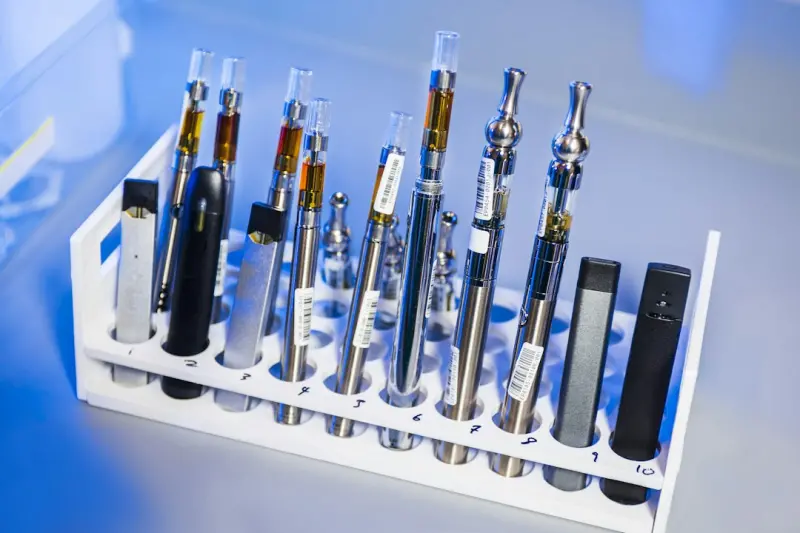
When Your Vape Becomes a Waste Problem: The Unseen Environmental Cost
This article reveals how disposable vaping devices contribute to plastic and electronic waste, affec... Read More

Redefining the Vape Ritual: From Habit to Mindful Experience
Explore how the vape ritual can become a purposeful, health‑conscious practice—blending design, ... Read More
Top Posts

Longevity as a Skill: Building Resilience for a Longer Life
Longevity isn’t a matter of luck; it’s a skill you can train. This article outlines a practical, data‑driven approach—hormetic stressors, optimized spac...Read More

Eco‑Conscious Pregnancy: Sustainable Choices From Diapers to Delivery
A comprehensive guide to making eco‑conscious decisions throughout pregnancy, covering nutrition, wardrobe, diapering, baby gear, green birth planning, and co...Read More

Unlocking the Secrets to Longevity: A Holistic Approach to Healthy Aging
Unlock the secrets to healthy aging with a holistic approach. Learn how to prioritize mental wellbeing, nutrition, and stress management for a long, healthy lif...Read More

Turning the Tide: Storytelling & Systems in Cancer Care
A deep dive into how storytelling, real‑time data, and purposeful environment design can transform the cancer journey, turning fear into empowerment and foste...Read More
0 Comments
Post Comment
You will need to Login or Register to comment on this post!