
When Food Becomes Medicine: Community Cooking as a Game‑Changer for Prediabetes
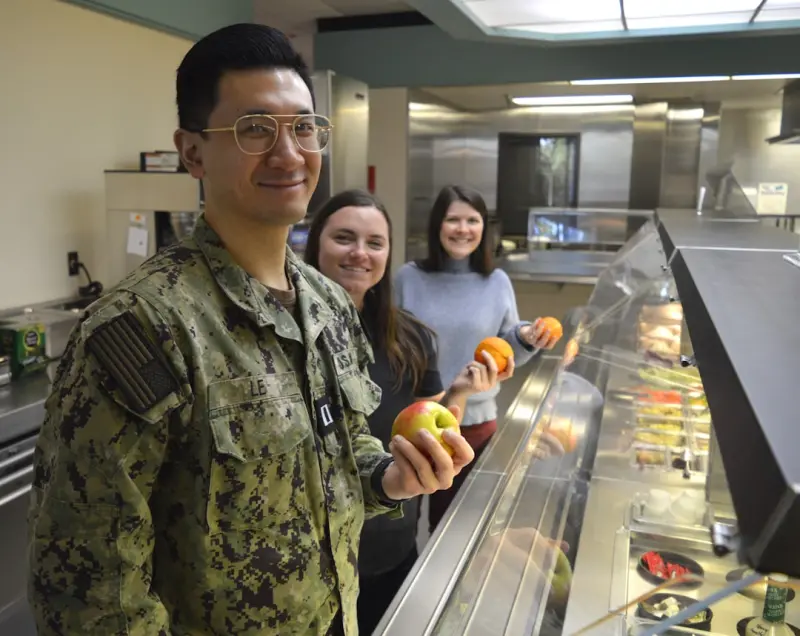
When I first walked into a neighborhood kitchen buzzing with the clatter of pots and the murmur of strangers sharing recipes, I felt something shift inside me. It wasn’t just the aroma of simmering tomatoes or the bright splash of fresh herbs; it was the palpable sense that we were doing more than preparing a meal. We were crafting a collective strategy against prediabetes, one bite at a time.
Prediabetes often feels like a silent alarm—an early warning that our bodies are struggling to keep blood sugar in check. Traditional advice leans heavily on “eat less, move more,” a mantra that can feel isolating when it’s spoken in the echo chamber of solo dieting. What if we flipped the script? What if the path to balanced glucose could be found in the very act of gathering, cooking, and sharing food together?
The Science Behind Social Eating and Glucose Control
Researchers have long known that stress hormones, particularly cortisol, can spike blood sugar. Social support, on the other hand, dampens stress responses. When we eat in a supportive group, our bodies release oxytocin—a hormone linked to lowered cortisol and improved insulin sensitivity. In other words, the simple act of sharing a table can be a biochemical ally.
Beyond hormones, communal cooking encourages us to experiment with food timing and portion awareness without feeling deprived. When a recipe calls for a specific amount of quinoa or a set number of vegetable sticks, the portion is baked into the process, reducing the mental load of “guessing” how much is healthy.
Why Traditional “Micro‑Habits” Miss the Bigger Picture
Most guides on prediabetes focus on tiny, isolated changes—like swapping soda for sparkling water or taking a ten‑minute walk after dinner. While those micro‑habits (Micro‑Habits That Outsmart Prediabetes) are valuable, they rarely address the emotional and social dimensions that sustain long‑term change. A solitary habit can wither without reinforcement, especially when life throws curveballs.
Community cooking, by contrast, embeds those micro‑habits within a larger, more resilient ecosystem. The habit of chopping vegetables becomes part of a shared experience; the habit of measuring carbs turns into a conversation about flavor balance. The result? Habits that feel less like obligations and more like celebrations.
Building Your Own Kitchen Circle: A Step‑by‑Step Blueprint
Ready to turn your kitchen into a hub of health? Below is a practical roadmap that anyone can adapt, regardless of space, budget, or culinary skill level.
- Identify a Core Group. Start with 4‑6 people who share a common goal—whether they’re neighbors, coworkers, or members of a local fitness class. Diversity in taste preferences enriches the experience.
- Choose a Regular Schedule. Consistency breeds habit. Pick a day and time that works for most—Friday evenings for a relaxed start to the weekend, or Saturday mornings for a fresh start to the day.
- Set a Theme. Each session can focus on a specific nutritional principle: low‑glycemic grains, plant‑based proteins, or creative ways to incorporate spices that naturally regulate blood sugar.
- Rotate Leadership. Give each participant a chance to lead a session. This not only spreads the workload but also encourages ownership and confidence.
- Integrate Simple Data Tracking. While the focus is on connection, a quick glance at a personal dashboard can reinforce progress. Tools like the one described in Turning Data Into Glycemic Gold can help participants see how their culinary experiments translate into real‑world glucose improvements.
- Celebrate Wins. End each session with a short “glucose‑win” round—share any recent blood‑sugar readings, energy boosts, or simply a feeling of satisfaction.
These steps are intentionally flexible. The magic lies not in strict adherence but in the shared commitment to learn, experiment, and support one another.
Spice It Up: Flavor as a Functional Tool
One of the most rewarding revelations I’ve encountered in community kitchens is the power of spices to modulate blood sugar. Cinnamon, turmeric, fenugreek, and even a pinch of black pepper have research‑backed properties that can improve insulin sensitivity. When you sprinkle these ingredients into a stew, you’re not just enhancing flavor—you’re adding a layer of metabolic support.
Here’s a quick, crowd‑pleasing recipe you can try at your next gathering:
- Cinnamon‑Infused Quinoa Salad
- 1 cup quinoa, rinsed
- 2 cups water
- ½ tsp ground cinnamon
- ¼ tsp ground ginger
- 1 cup chopped kale
- ½ cup diced apple
- ¼ cup toasted walnuts
- 2 tbsp olive oil
- Juice of one lemon
- Salt and pepper to taste
Cook quinoa with water and cinnamon; once fluffy, toss with the remaining ingredients. The cinnamon and ginger work together to blunt post‑meal glucose spikes, while the apple adds a natural sweetness without the glycemic surge of processed sugars.
When participants taste the dish, ask them to notice the subtle warmth of the spices. That sensory awareness reinforces the connection between flavor and function, making it easier to replicate at home.
The Role of Storytelling in Sustaining Change
Humans are wired for stories. In a kitchen setting, each participant brings a personal narrative—perhaps a family recipe that once caused a sugar spike, or a memory of a festive meal that felt too indulgent. By weaving these stories together, the group creates a shared tapestry of learning.
Storytelling does more than entertain; it builds neuro‑associative pathways that link positive emotions with healthier choices. When you recall a laugh‑filled evening of cooking whole‑grain pasta with rosemary, you’re more likely to choose that dish over a quick, processed alternative.
Beyond the Kitchen: Extending the Community Impact
Once your cooking circle gains momentum, its influence can ripple outward:
- Partner with Local Farmers. Invite a farmer’s market vendor to showcase low‑glycemic produce, turning the kitchen into a mini‑educational hub.
- Host “Glucose‑Friendly” Potlucks. Expand the circle to include friends and family, spreading awareness beyond the core group.
- Create a Recipe Repository. Use a simple Google Sheet or a community forum to document successful dishes, complete with notes on glycemic impact.
- Volunteer at Community Centers. Bring the model to senior centers or schools, where early intervention can make a profound difference.
Each of these extensions reinforces the original goal: turning food from a potential threat into a therapeutic ally.
Measuring Success Without Obsessing Over Numbers
While data can be motivating, it’s essential to balance metrics with well‑being. Encourage participants to track a few key indicators—fasting glucose, post‑meal peaks, or even energy levels—once a month. Celebrate trends, not isolated readings.
Remember the wisdom from Turning Data Into Glycemic Gold: numbers become meaningful when they’re part of a story. Use charts as conversation starters, not verdicts.
Overcoming Common Pitfalls
Even the most enthusiastic groups encounter hurdles. Here are some solutions I’ve seen work wonders:
- Time Constraints. Keep sessions to 60‑90 minutes. Focus on one main dish and a quick side, rather than a full‑course feast.
- Ingredient Costs. Choose seasonal produce and bulk pantry staples. Sharing the cost among participants often makes it more affordable than buying individual specialty items.
- Skill Gaps. Embrace a “no‑judgment” policy. Pair novice cooks with those who have a bit more confidence, fostering mentorship.
- Monotony. Rotate themes and cuisines—Mediterranean, South Asian, Latin American—to keep palates excited and expose the group to a variety of glycemic‑friendly ingredients.
Final Thoughts: From Plate to Lifestyle
Prediabetes doesn’t have to be a solitary battle fought in the sterile glow of a blood‑sugar meter. By turning the kitchen into a collaborative laboratory, we tap into the body’s innate social wiring, leverage flavor as medicine, and create a sustainable ecosystem of health.
If you’re reading this and feeling a spark of curiosity, I invite you to take the first step: gather a few friends, pick a date, and cook something that tastes good and feels good for your glucose. You’ll discover that the journey from prediabetes to balanced health can be as delightful as a shared meal, and as lasting as the friendships you build around the table.

Related Posts
Predictive Analytics: Reframing Prediabetes as a Power Move
A data‑centric look at prediabetes shows how real‑time glucose tracking, targeted micro‑adjust... Read More
Prediabetes and the Invisible Workload: Managing the Hidden Stressors of a Silent Diagnosis
Prediabetes brings more than blood‑sugar concerns; it adds hidden stressors that affect identity, ... Read More
Unlocking the Hidden Levers of Prediabetes: Data, Environment, and Tiny Wins
A data‑centric guide shows how aligning carb timing, adding micro‑breaks, optimizing light and a... Read More
Top Posts

Nicotine’s Double‑Edged Sword: Boosting Focus Without Burning Out
A deep dive into nicotine’s cognitive effects, weighing its productivity benefits against health risks, and offering practical guidelines for professionals se...Read More

Beyond the Cloud: Making Vaping Eco‑Friendly Without Sacrificing the Experience
I’ve swapped my daily disposable pods for a sustainable setup, and the shift has changed how I think about flavor, health, and the planet—here’s the roadm...Read More
Micro‑Moments: Tiny Rituals That Rewire Your Brain for Calm
Micro‑moments are brief, intentional pauses that reset the nervous system, improve focus, and build lasting emotional resilience. Learn how to weave these tin...Read More

Physiotherapy Secrets for Musicians' Peak Performance
Discover a musician‑focused physiotherapy plan that blends mobility, rhythmic conditioning, and recovery techniques, helping artists prevent injuries and sust...Read More
0 Comments
Post Comment
You will need to Login or Register to comment on this post!