
Why Tiny, Consistent Actions Can Flip the Prediabetes Switch
When I first learned I was sitting in the “prediabetes” zone, the word felt like a red traffic light—urgent, alarming, and demanding immediate action. I imagined drastic diet overhauls, marathon‑length workouts, and a complete lifestyle reboot. The truth? You don’t need a massive overhaul to shift the trajectory. What you need are micro‑habits—the small, repeatable actions that quietly, but powerfully, rewrite your metabolic story.
In my years of navigating health data, coaching peers, and watching my own glucose numbers dance, I’ve seen a pattern emerge: people who succeed aren’t the ones who try to change everything overnight. They’re the ones who stack tiny wins, each one almost imperceptible on its own, yet together they create a tidal wave of change. Think of it as compound interest for your pancreas.
The Science Behind Micro‑Habits and Glucose Regulation
Our bodies operate on feedback loops. When you consume a high‑glycemic snack, blood sugar spikes, insulin surges, and the cycle repeats. Over time, the beta‑cells in the pancreas become overworked, and insulin sensitivity wanes—hallmarks of prediabetes. But the same loops can be rewired with consistent, low‑intensity signals.
Research in behavioral neuroscience shows that habits formed in under 21 days become automatic, bypassing the brain’s decision‑making center. For glucose control, this means that a habit like “drink a glass of water before each meal” can reduce post‑meal spikes by diluting carbohydrate absorption and signaling satiety earlier.
Another powerful loop involves movement micro‑bursts. A 5‑minute walk after lunch, a set of 10 body‑weight squats before dinner, or a brief stretch session in the afternoon all activate muscle glucose uptake without the need for a full‑blown gym session. Muscles, even when lightly active, act like sponges for blood sugar, pulling it out of the bloodstream and storing it as glycogen.
Five Micro‑Habits That Fit Into Any Schedule
- Hydration Cue: Keep a reusable bottle on your desk. Every time you take a sip, pause for a breath. This simple act not only adds water but also creates a mindful pause that can reduce mindless snacking.
- Fiber First: Start each meal with a serving of non‑starchy vegetables or a tablespoon of chia seeds. The fiber slows carb digestion, flattening the glucose curve.
- Mini‑Movement: Set a timer for 4:55 PM each workday. When it rings, stand, stretch, or do 10 lunges. Those minutes add up, especially when repeated five days a week.
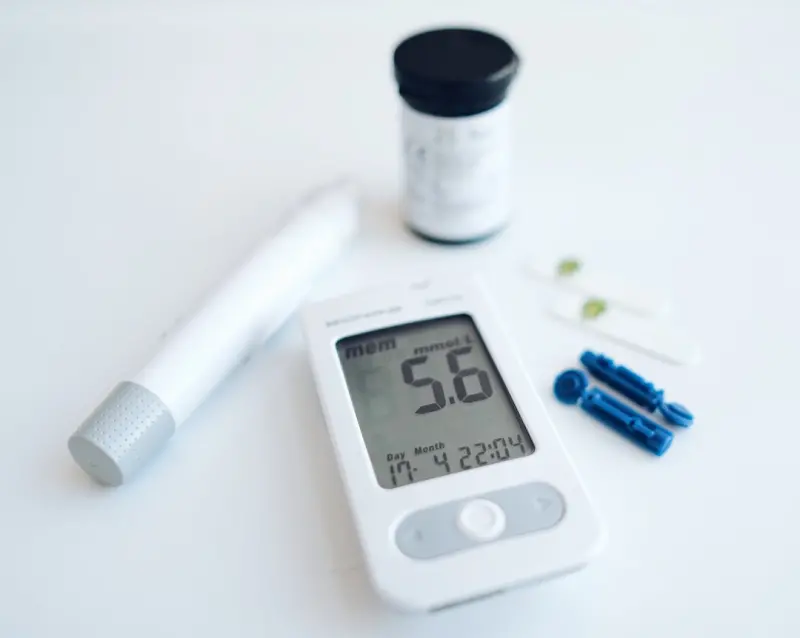
- Nighttime Glucose Check: Instead of a full fasting blood test, use a quick finger‑stick or CGM snapshot before bed. Recording the result in a notebook creates a visual trend that can motivate consistency.
- Sleep Hygiene Ritual: Dim lights 30 minutes before sleep, avoid screens, and read a page of a book. Better sleep improves insulin sensitivity, making those micro‑habits even more effective.
Each of these habits takes less than two minutes to start, and they can be layered. The magic happens when you stack them—hydration before meals, fiber first, a mini‑movement after, a quick glucose check, and a calming bedtime routine.
How to Track Progress Without Becoming Obsessed
One common pitfall is “data overload.” I’ve seen people stare at spreadsheets, line graphs, and endless metrics until the numbers become anxiety‑inducing rather than empowering. The goal is to capture just enough data to see trends, not every fluctuation.
Start with a personal blood sugar dashboard that logs three points a week: fasting, post‑breakfast, and post‑dinner. Use a simple spreadsheet or a note‑taking app. Color‑code the rows: green for < 100 mg/dL, yellow for 100‑125 mg/dL, red for >125 mg/dL. Over weeks, the colors will tell you whether your micro‑habits are nudging you toward the green zone.
Pair this with a habit tracker—either a printable grid or a phone app. Mark each day you complete the hydration cue, the fiber first, and the mini‑movement. Seeing a streak of green squares can be surprisingly motivating, especially when the glucose numbers echo the habit consistency.
Community: Turning Solo Effort into Shared Momentum
Human beings are wired for connection. When you share a goal, accountability skyrockets. I joined a local “10‑Minute Walk Club” that meets twice a week at the park. The group’s purpose isn’t to run marathons; it’s to walk for ten minutes, chat, and celebrate the fact that we’re moving together.
That community vibe can be replicated online. Platforms that host community‑driven weight loss challenges often include glucose‑focused tracks. Participants share tips, post photos of their veggie‑heavy plates, and cheer each other on after each mini‑movement session. The social proof reduces the “I’m doing this alone” feeling and replaces it with a shared journey.
If you prefer a more private setting, consider a “buddy system.” Pair up with a coworker or friend, set a weekly check‑in, and exchange simple metrics like “Did you drink your water before meals this week?” The conversation stays light, but the accountability is real.
The Role of Insurance: Leveraging Your Benefits for Micro‑Success
Many people overlook the resources hidden within their health plans. Some insurers cover nutrition counseling, remote glucose monitoring devices, or even wellness apps that can automate habit reminders. I discovered that my plan offered a wellness portal that integrated with my favorite fitness tracker, sending me nudges to stand after an hour of sitting.
Take a few minutes to log into your portal and explore the “preventive care” section. Look for:
- Covered dietitian visits (often a few sessions per year)
- Reimbursement for CGM devices or finger‑stick kits
- Discounts on fitness classes or community program memberships
When you align your micro‑habits with the services your insurer already pays for, you’re essentially getting a free boost toward reversing prediabetes.
From Micro‑Habits to Macro‑Impact: Real‑World Stories
Here are three brief snapshots of people who used tiny habits to shift their glucose profile:
- Lena, 38, marketing manager: She added a 5‑minute walk after every lunch meeting. Within three months, her fasting glucose dropped from 112 mg/dL to 98 mg/dL, and she no longer needed a repeat oral glucose tolerance test.
- Mark, 45, freelance developer: By swapping soda for sparkling water infused with a slice of lemon and committing to a “fiber first” rule, his post‑dinner spikes fell from 180 mg/dL to 130 mg/dL, reducing his need for medication.
- Sofia, 52, teacher: She used her insurer’s wellness portal to schedule a dietitian visit and paired it with nightly glucose checks. The combined approach helped her maintain a steady 95‑100 mg/dL range for six consecutive months.
Notice a pattern? Each story hinges on consistency, not intensity. The habits are modest, but they’re performed daily, creating a cumulative effect.
Designing Your Own Micro‑Habit Blueprint
- Identify One Low‑Barrier Action: Pick a habit that takes less than two minutes and fits naturally into your day (e.g., “place a fruit bowl on the kitchen counter”).
- Anchor It to an Existing Routine: Use the “habit stacking” technique—attach your new action to something you already do, like brushing teeth or logging into work email.
- Set a Simple Metric: Instead of “lower my A1C,” track “drink 8 glasses of water each day.” Metrics should be binary (yes/no) for ease of logging.
- Review Weekly: Spend five minutes each Sunday reviewing your habit tracker and glucose snapshot. Adjust one habit at a time if needed.
- Celebrate Small Wins: Reward yourself with non‑food treats—like a new playlist, a short nature walk, or an extra 10‑minute reading slot.
This blueprint keeps the process manageable and prevents the overwhelm that often derails larger, unsustainable plans.
Conclusion: The Power of Tiny Wins
Prediabetes can feel like a looming deadline, but you don’t have to sprint toward a radical overhaul. By embedding micro‑habits into your daily rhythm, leveraging community support, and using the tools already available through your health insurance, you can gradually shift your glucose numbers back into the healthy range. Remember, every glass of water, every five‑minute walk, and every fiber‑first bite is a stitch in the fabric of a healthier you. Stitch consistently, and you’ll soon find the fabric is stronger than you imagined.

Related Posts

Micro‑Momentum: Tiny Breath and Habit Tweaks to Defeat Prediabetes
Learn how simple three‑minute breath, stretch, and water‑sipping habits, combined with data‑dr... Read More

Cultivating Community: How Shared Meals Fight Prediabetes
Discover how turning meals into social events can improve insulin sensitivity, reduce stress hormone... Read More
Why Stress Management Is the Missing Piece in Your Prediabetes Plan
Chronic stress silently drives blood sugar higher and sabotages insulin sensitivity. Learn why corti... Read More
Top Posts

Turning Autoimmune Chaos into a Personal Storybook
Learn to translate autoimmune signals into a personal narrative, using journals, creative expression, and supportive groups to navigate daily challenges and fin...Read More

Rethinking Narcolepsy: Turning Unpredictable Sleep Into Workplace Innovation
A fresh look at narcolepsy reveals hidden strengths—micro‑synchronization, creative bursts, and empathy—that can reshape work environments, technology, an...Read More

Playful Experiments in the Kitchen: A Fresh Path to Sustainable Weight Loss
Learn to treat weight loss as a series of playful experiments in the kitchen, using seasonal produce, plate artistry, micro‑movement, and liver‑friendly hab...Read More

Micro‑Movements and Timing: A Fresh Playbook for Stable Blood Sugar
Explore a new approach to blood sugar management that combines short, intentional movements, consistent meal windows, sensory‑guided eating, and predictive te...Read More
0 Comments
Post Comment
You will need to Login or Register to comment on this post!