
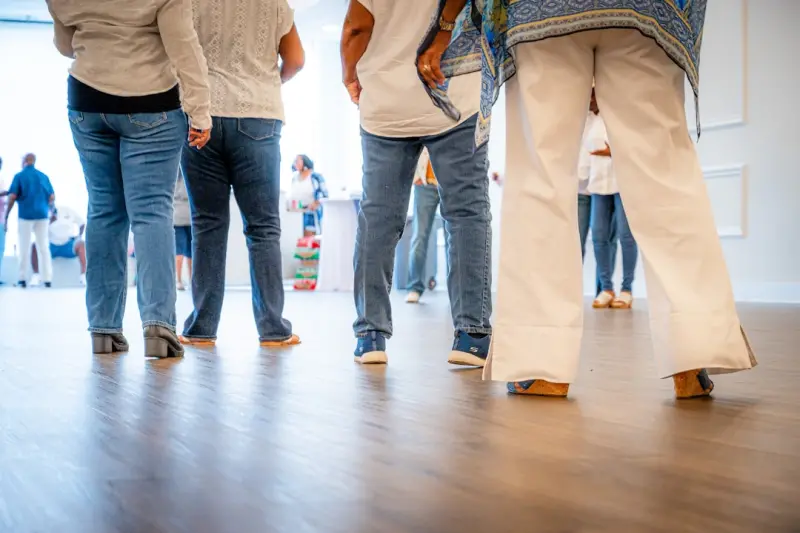
Why the Office Isn’t a Prison – And How a Simple Walk Can Free It
Imagine swapping the stale hum of a conference room for the crisp rustle of leaves, the distant chatter of a coffee shop, and the rhythmic click‑clack of shoes on pavement. That’s the walking meeting promise: turning a mundane agenda into a kinetic, health‑boosting experience. I’ve spent years chasing the next productivity hack, from cold showers to data‑driven diet plans. What kept slipping through my radar? The most powerful health lever was right under our feet all along.
In the age of endless Zoom windows and standing desks, the idea of literally moving while you think feels almost revolutionary. Yet the science is crystal clear: movement isn’t just a calorie‑burning side effect; it’s a catalyst for neuro‑plasticity, cardiovascular resilience, and social cohesion. Below, I’ll break down the why, the how, and the tools you need to make walking meetings a staple in any modern workplace.
The Hidden Cost of Sitting Still
We’ve all heard the mantra “sit less, move more.” But let’s put some flesh on those bones. A typical eight‑hour office day can rack up upwards of 10,000 steps of inactivity. Your muscles are essentially on a perpetual low‑gear, your blood flow is sluggish, and your brain’s default mode network (the mental autopilot) takes over.
- Metabolic slowdown: Prolonged sitting drops insulin sensitivity by up to 30%, nudging you closer to pre‑diabetes territory.
- Cardiovascular strain: The heart pumps less efficiently, raising blood pressure and LDL cholesterol over time.
- Cognitive fog: Without periodic bursts of movement, cerebral blood flow dips, hampering focus, memory consolidation, and creative problem‑solving.
- Social stagnation: Seated meetings often become echo chambers, where hierarchical cues dominate and genuine collaboration stalls.
All of this adds up to a quiet health epidemic that’s easy to overlook because it masquerades as “just work.” The good news? A walking meeting attacks each of these pain points in one smooth stride.
Walking Meetings 101: The Concept Demystified
At its core, a walking meeting is exactly what it sounds like: you gather a small group (ideally 2‑4 people), set a clear agenda, and stroll to a nearby park, hallway, or even around the office floor. No whiteboards, no PowerPoint slides—just conversation, fresh air, and a modest cardio session.
Key ingredients for success:
- Purposeful agenda: Keep it tight—5‑10 bullet points max.
- Time limit: 15‑30 minutes. Anything longer starts feeling like a hike.
- Tech light: Put phones on “Do Not Disturb,” or better yet, leave them in a pocket.
- Safety first: Choose well‑lit paths, wear comfortable shoes, and be aware of traffic if you’re outdoors.
Physical Pay‑Off: From Steps to Stronger Systems
While a 20‑minute walk won’t replace a full‑blown gym session, it does more than burn a few calories. Here’s the physiological cascade:
- Increased heart rate: Even a modest uptick (to ~100 bpm) improves endothelial function, the lining of blood vessels that regulates pressure.
- Enhanced insulin sensitivity: Muscle contractions during walking shuttle glucose into cells, a natural counter to the insulin resistance mentioned earlier.
- Neurotrophic boost: Walking triggers the release of brain‑derived neurotrophic factor (BDNF), a protein that supports neuron growth and mental agility.
- Joint lubrication: Gentle weight‑bearing activity keeps cartilage supple and reduces the risk of degenerative joint disease.
In short, each walking meeting is a micro‑dose of cardio that compounds over weeks, turning sedentary desk time into a balanced health routine.
Cognitive Gains: Why Your Brain Loves the Pace
Research on “embodied cognition” shows that movement can literally change the way we think. When you walk:
- Attention widens: The rhythmic motion frees the mind from tunnel vision, making it easier to see the bigger picture.
- Creativity spikes: A famous Stanford study found that walking boosts creative output by up to 60% compared to sitting.
- Memory retention improves: The hippocampus, the brain’s memory hub, is more active during light exercise, helping you retain meeting outcomes.
So the next time you’re stuck in a brainstorming rut, lace up and let the pavement do the heavy lifting.
Social & Organizational Upside: From Hierarchy to Harmony
There’s an unspoken power dynamic in a conference room: the person at the head of the table often dominates. Walking strips away that visual hierarchy. Everyone’s on the same level—literally. This egalitarian setting:
- Fosters psychological safety: Team members feel more comfortable sharing bold ideas when they’re not staring at a polished table.
- Improves active listening: The physical act of moving together requires attentiveness; you’re less likely to zone out.
- Builds camaraderie: Shared experiences (like navigating a busy sidewalk) create a subtle bond that translates to stronger collaboration later.
From Idea to Implementation: A Step‑by‑Step Playbook
Ready to roll out walking meetings at your organization? Here’s a pragmatic roadmap:
- Start with a pilot: Choose a low‑stakes project (e.g., weekly status sync) and invite a small cross‑functional team.
- Map routes: Identify safe, accessible walking paths near the office—lobby corridors, nearby parks, or even indoor atriums.
- Set expectations: Communicate the purpose, duration, and dress code (comfortable shoes are a must).
- Leverage data: Encourage participants to track steps, heart rate, or perceived energy levels using wearables. A personal health dashboard can visualize trends over weeks.
- Iterate: Collect feedback after each session—what worked, what didn’t, and adjust routes or agenda length accordingly.
- Scale mindfully: Once the pilot shows measurable benefits (e.g., higher engagement scores, lower post‑meeting fatigue), expand to larger teams or department‑wide syncs.
Data‑Driven Support: Marrying Movement with Metrics
One of the biggest hurdles for skeptics is “What’s the ROI?” The answer lies in quantifiable health and productivity metrics. By syncing walking meeting data with a data‑driven weight loss community platform, you can:
- Track average steps per meeting and correlate with self‑reported energy levels.
- Monitor heart‑rate variability (HRV) before and after sessions to gauge stress reduction.
- Identify patterns: Teams that walk more often may report higher project completion rates and lower sick days.
These insights not only validate the practice but also provide a compelling narrative for leadership to champion the initiative.
Real‑World Success Stories
Tech Startup A: After integrating walking meetings twice a week, the company logged a 12% drop in employee‑reported fatigue and a 9% uptick in sprint velocity. Their HR dashboard showed a 4% reduction in sick‑leave days over six months.
Design Agency B: Creative brainstorming sessions moved outdoors. The agency noted a 30% increase in “out‑of‑the‑box” concepts, with client satisfaction scores climbing from 84 to 92.
Healthcare Provider C: A pilot with multidisciplinary care teams led to more concise handoff notes and a 15% faster patient discharge process, attributed to clearer communication during walks.
Addressing Common Objections
“We need a whiteboard.” – Bring a small notepad or use voice memos on your phone. The brain often prefers oral articulation; you’ll be surprised how ideas crystallize without visual clutter.
“What about rain?” – Indoor routes (hallways, atriums) work just fine. If you have a treadmill desk, you can even schedule a “walk‑and‑talk” while staying in the office.
“I’m not a runner.” – No one expects a marathon pace. A gentle stroll at 2–3 mph is sufficient for the health benefits outlined above.
Future‑Forward: Walking Meetings as a Culture‑Builder
Beyond the immediate health perks, walking meetings can become a cultural signature—an emblem of an organization that values well‑being, agility, and open dialogue. When employees see leadership lacing up sneakers for strategy sessions, it sends a powerful message: health isn’t a side project; it’s integral to success.
As the workplace continues to evolve—hybrid models, AI‑assisted workflows, and ever‑shortening attention spans—the simplest, most human‑centric habit may be the most sustainable: moving together, talking together, thriving together.
Take the First Step Today
Pick a meeting on your calendar, grab a colleague, and head out the door. Notice how the conversation flows, how your chest expands, and how your mind feels a shade clearer. Then, log that walk, celebrate the data, and watch the ripple effect spread through your team.
In the grand scheme of health trends—fasting protocols, bio‑hacking gadgets, and high‑tech wearables—walking meetings are a low‑cost, high‑impact strategy that anyone can adopt. The only prerequisite? A willingness to step outside the boardroom and onto the pavement.

Brody Lambert is an emerging freelance writer whose fresh voice and thoughtful approach are quickly making their mark. As a fairly new entrant in the world of freelance writing, Brody brings a blend of curiosity and dedication that fuels every project, crafting stories and content that resonate with authenticity and clarity.
Related Posts

Why Urban Green Spaces Are Your Secret Weapon for Peak Mental Clarity
Explore the science behind green spaces and learn practical, data‑backed strategies to incorporate... Read More
Light as a Lever: Redesigning Your Remote Workspace for Natural Rhythm
Learn how to harness natural and artificial light to align your circadian rhythm, improve sleep qual... Read More

Chilling Out: How Cold Exposure Supercharges Health and Performance
A deep dive into the science and practical steps of cold exposure, revealing how short, consistent c... Read More
Top Posts
Designing Workspaces That Heal: A New Playbook for Autoimmune Professionals
A practical guide showing how to redesign your desk, lighting, air quality, and workflow to minimize autoimmune inflammation, featuring actionable steps and rea...Read More

City Streets as Gyms: Turning Everyday Urban Life into a Fitness Adventure
Learn to view city streets, staircases, and public spaces as versatile workout tools, turning everyday commutes into engaging fitness adventures....Read More
A Holistic Roadmap to Healthy Aging: Nourish, Move, Rest, and Thrive
Explore a holistic roadmap for healthy aging that blends nutrition, movement, sleep, and mindset to nourish your body, boost energy, and thrive at any age....Read More

Unlocking Natural Body Detox: A Holistic Journey
A deep dive into practical, season‑aligned detox rituals, nutrient‑rich food pairings, and gentle movements that empower the body’s innate cleansing pathw...Read More
0 Comments
Post Comment
You will need to Login or Register to comment on this post!