
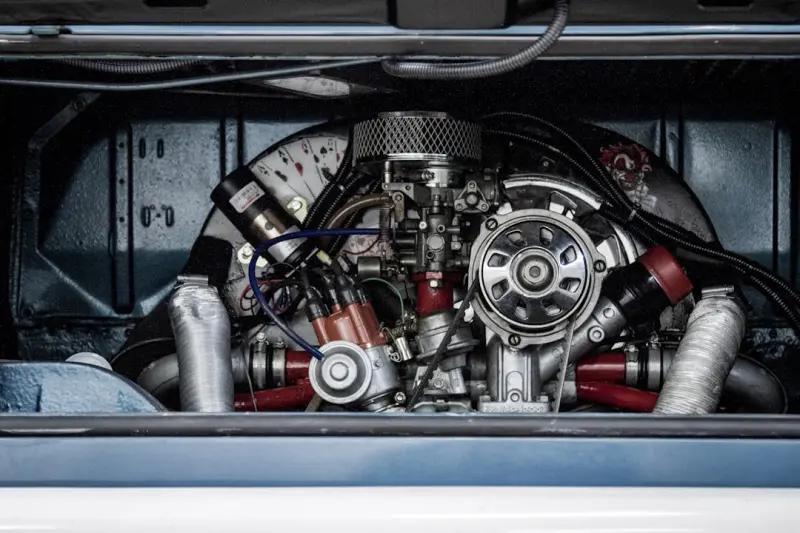
Why the Liver Deserves Your Attention in the High‑Performance Playbook
When most professionals talk about “core strength,” the conversation circles around muscles, mindset, or even the gut microbiome. Rarely does the liver get a seat at the table, even though it’s the body’s central processing hub for toxins, nutrients, and energy. I’ve spent years fine‑tuning every lever that influences output—from sleep architecture to the rhythm of blood sugar. Yet, my own breakthrough came when I realized the liver was the silent engine that could make—or break—those gains. In this post, I’ll walk you through a data‑driven, habit‑first framework to upgrade liver health without sacrificing the performance standards you hold yourself to.
The Liver’s Triple Threat: Detox, Metabolism, and Hormone Regulation
Three core functions make the liver a strategic asset:
- Detoxification – The liver neutralizes everything from alcohol metabolites to industrial chemicals. It does this via Phase I and Phase II enzymatic pathways that transform lipophilic toxins into water‑soluble forms for excretion.
- Metabolic Hub – Glucose, lipids, and amino acids all pass through the hepatic portal vein. The liver decides whether to store, release, or convert these substrates, directly influencing energy availability for mental focus and physical stamina.
- Hormone Balance – From converting thyroid hormones to regulating estrogen levels, the liver’s endocrine role can subtly shift mood, cognition, and recovery cycles.
Understanding these roles reframes the liver from a passive organ to a proactive lever you can pull to enhance performance.
Debunking Popular “Detox” Myths
Commercial “liver cleanse” kits promise rapid toxin flushing with bitter herbs or fasting protocols. The truth? The liver already runs a sophisticated, self‑regulating detox system; forcing it with extreme diets can actually impair its enzymes. Instead of short‑term shock tactics, focus on steady, evidence‑based practices that support the liver’s natural pathways.
Key myths to discard:
- “Juice cleanses reset the liver.” – While fresh juices provide antioxidants, the low protein content can diminish Phase II activity, slowing conjugation processes.
- “High‑dose milk thistle guarantees detox.” – Research shows modest benefits at typical supplemental doses, but megadoses do not accelerate toxin clearance and may interfere with medication metabolism.
- “Fasting for 48 hours detoxifies everything.” – Prolonged fasting can trigger autophagy, which is beneficial, yet it also reduces the liver’s capacity to process fat, potentially leading to transient steatosis (fatty liver).
The smarter approach is to nurture the liver’s enzymatic capacity through consistent nutrition, movement, and environmental choices.
Nutrition Strategies That Actually Empower Liver Enzymes
My personal “liver fuel” regimen centers on three pillars: protein quality, phytonutrient density, and timing.
- High‑quality protein – Amino acids like cysteine and methionine are precursors for glutathione, the liver’s master antioxidant. Incorporate whey, eggs, or plant‑based sources such as lentils and quinoa in each main meal.
- Cruciferous vegetables – Broccoli, Brussels sprouts, and kale activate Phase II enzymes (glutathione S‑transferase). A daily serving of roasted or lightly steamed crucifers can boost conjugation capacity.
- Omega‑3 fatty acids – EPA and DHA improve membrane fluidity, facilitating the transport of toxins to bile for excretion. Aim for two servings of fatty fish or a high‑purity algae supplement each week.
- Timed carbohydrate intake – Align carbs with periods of heightened brain demand (e.g., after intense strategic work). This supports glycogen replenishment in the liver without overloading it with de‑novo lipogenesis, a common pathway to fatty liver.
If you’re curious about how carbohydrate timing can become a performance lever, check out the science of blood sugar optimization for actionable protocols.
Movement Patterns That Stimulate Hepatic Blood Flow
Unlike static desk work, movement directly influences hepatic perfusion. Studies show that moderate‑intensity aerobic activity (e.g., brisk walking, cycling) increases liver blood flow by up to 30 % compared to sedentary states. The effect is twofold:
- Enhanced delivery of oxygen and nutrients needed for detox enzymes.
- Accelerated removal of metabolic by‑products via the hepatic vein.
My routine integrates two “micro‑mobility” blocks:
- Morning “circulation sprint” – 5 minutes of high‑knee marching or jump rope right after waking, which spikes heart rate and primes the liver for the day’s metabolic load.
- Afternoon “flow walk” – A 10‑minute brisk walk after lunch, timed to coincide with the post‑prandial surge of nutrients heading to the liver. This window maximizes the liver’s ability to process glucose and lipids efficiently.
Pairing these movement cues with data tracking (heart‑rate variability, step counts) can reveal how your liver responds over weeks. For a data‑centric view of performance, explore strategic longevity frameworks that incorporate organ health metrics.
Environmental Toxins: The Unseen Load on Your Liver
Beyond diet and exercise, everyday exposures silently tax the liver. Consider these common sources:
- Air pollutants – Fine particulate matter (PM2.5) penetrates alveoli and enters circulation, where the liver works to metabolize polycyclic aromatic hydrocarbons (PAHs).
- Household chemicals – Cleaning agents, personal care products, and even certain plastics release phthalates and bisphenols that the liver must process.
- Electromagnetic fields – Emerging research suggests chronic exposure may influence oxidative stress pathways, indirectly affecting hepatic function.
Practical mitigations include:
- Installing HEPA filters and keeping windows open for ventilation.
- Choosing fragrance‑free, plant‑based cleaning solutions.
- Limiting use of microwavable plastics and opting for glass or stainless steel containers.
These steps reduce the cumulative toxin burden, allowing the liver to allocate more resources to performance‑supporting processes rather than emergency detox.
Sleep, Stress, and the Liver’s Night‑Shift
While the recent post on “Rethinking Your Clock” covered sleep’s impact on autoimmunity, it’s worth highlighting how sleep architecture specifically supports hepatic regeneration. During deep NREM sleep, the body ramps up growth hormone release, which stimulates hepatocyte (liver cell) repair and glycogen synthesis. Conversely, chronic stress elevates cortisol, which can push the liver toward gluconeogenesis (creating glucose from non‑carbohydrate sources) and fat accumulation.
My stress‑reduction stack includes:
- Brief mindfulness sessions (5 minutes) before bed to lower sympathetic tone.
- A magnesium‑glycinate supplement to support relaxation and enzymatic activity.
- Limiting caffeine after 2 pm to preserve sleep depth.
When you protect the liver’s nocturnal repair window, you’ll notice sharper focus, steadier energy, and faster recovery from cognitive load.
Monitoring Liver Health Without a Lab Coat
Professional athletes and executives alike can adopt simple, non‑invasive markers to gauge liver function:
- Skin tone and eye whites – Persistent yellowing can signal bilirubin buildup.
- Energy fluctuations after meals – A “post‑lunch crash” may indicate suboptimal glycogen storage or early steatosis.
- Digestive comfort – Bloating, especially after fatty meals, can be a sign of impaired bile secretion.
For deeper insight, consider periodic liver panels that measure ALT, AST, GGT, and alkaline phosphatase. Tracking these values over time can reveal trends and validate the impact of lifestyle adjustments.
Integrating Liver Support Into a High‑Performance Routine
Here’s a concise, weekly checklist that aligns liver health with peak productivity:
- Monday‑Friday: Start each day with a protein‑rich breakfast (e.g., Greek yogurt + berries + chia). Follow with a 5‑minute circulation sprint.
- Mid‑day: Consume a cruciferous side dish (steam broccoli) and take a 10‑minute flow walk after lunch.
- Evening: Limit alcohol to special occasions; if you do drink, pair with a protein snack to aid metabolism.
- Weekly: Include an omega‑3‑rich meal (salmon or algae supplement) and a “digital sunset” (no screens 1 hour before bed).
- Monthly: Review blood work, adjust supplement dosing, and audit home environment for new toxin sources.
When you treat the liver as a strategic performance asset, you’ll see compounding returns in focus, stamina, and resilience.
Conclusion: The Liver as Your Competitive Edge
The high‑performer’s toolkit is evolving. It now includes not just sleep hacks or cognitive training, but also a systematic approach to liver health. By debunking detox myths, feeding the organ with precise nutrients, moving to boost hepatic blood flow, and minimizing environmental toxins, you transform the liver from a background processor to a front‑line catalyst for sustained excellence. The payoff? Cleaner energy, sharper cognition, and a body that recovers faster—allowing you to stay in the zone longer and achieve more, day after day.

William Roy is a freelance writer originally from Montreal who moved to Ottawa with his wife of 50 years to be closer to their grandkids. Alongside his writing, William has a passion for fishing.
Related Posts

Listening to Your Liver: Small Signals, Big Benefits
Learn how to recognize early liver warnings and adopt simple daily habits—hydration, mindful eatin... Read More
Rev Up Your Liver: A Holistic Playbook for Sustainable Detox and Metabolic Power
A detailed guide reveals how to treat your liver like a high‑performance engine—using strategic ... Read More
The Quiet Powerhouse: Rethinking Liver Care in Everyday Life
Explore a fresh perspective on liver health that blends mindful nutrition, regular movement, stress ... Read More
Top Posts

Holistic Secrets to a Longer, Healthier Life
Explore the holistic habits—sleep, nutrition, movement, mindset—that can extend your vitality and make every year vibrant and healthy....Read More
Nourish Your Mind: Holistic Strategies for Peak Brain Health
Explore practical, science‑backed strategies—from gut‑brain nutrition to mindful movement and restorative sleep—that empower you to sharpen focus, prote...Read More

Micro‑Movements, Macro Gains: A Fresh Playbook for Men’s Health
Learn why small, intentional movements—paired with mindset and community—are the secret to sustainable men’s health, boosting strength, resilience, and ov...Read More
Curiosity as a Longevity Engine: How Learning Keeps You Young
Curiosity isn’t just a mental pastime—it’s a powerful anti‑aging tool. Discover how asking questions, learning new skills, and nurturing a growth mindse...Read More
0 Comments
Post Comment
You will need to Login or Register to comment on this post!