

When I first heard the phrase “your liver is your silent superhero,” I chuckled. It sounded like the sort of tagline you’d find on a quirky health poster in a boutique gym. Yet, as I dug deeper—through late‑night research, kitchen experiments, and countless conversations with hepatologists—I realized there’s a profound truth hidden in that playful metaphor. The liver works tirelessly, filtering, synthesizing, and storing, all while you’re busy navigating meetings, errands, and the occasional Netflix binge. It doesn’t demand applause, but it certainly deserves a little intentional love.
Why the Liver Deserves a Seat at the Table
Most of us think about health in terms of cardio, strength, or even gut balance. The liver, however, sits at the crossroads of metabolism, immunity, and detoxification. When it functions optimally, you’ll notice clearer skin, steadier energy, and a mood that isn’t constantly riding the roller coaster of blood sugar spikes. When it’s overburdened, the consequences can be subtle at first—fatigue, bloating, or an inexplicable craving for salty snacks—before manifesting as more serious conditions like non‑alcoholic fatty liver disease (NAFLD) or cirrhosis.
What makes the liver especially fascinating is its regenerative capacity. Unlike many organs, the liver can regrow up to 70% of its tissue after injury. This resilience is a double‑edged sword; it encourages us to be forgiving of occasional indulgences, but it also tempts complacency. The key is to treat the liver not as an indestructible tank but as a dynamic system that thrives on consistent, mindful support.
Reframing Your Relationship with Food: From Fuel to Friendship
Most dietary advice frames meals as fuel for the muscles or brain. While that’s certainly true, a liver‑centric perspective asks a different question: What am I giving my liver to process today? I’ve begun treating my grocery cart like a conversation with a trusted friend—one who appreciates honesty, variety, and occasional treats, but who also respects boundaries.
One experiment that reshaped my kitchen routine involved swapping out the usual morning smoothie for a “liver‑loving starter.” Instead of a heavy blend of frozen berries, banana, and protein powder (which can be taxing on the liver’s glycemic balancing act), I mixed a small handful of fresh arugula, a splash of lemon juice, a pinch of turmeric, and a spoonful of cold‑pressed olive oil. The bitter greens stimulate bile production, lemon provides vitamin C for detox pathways, turmeric offers anti‑inflammatory curcumin, and olive oil supplies healthy fats that aid in the absorption of fat‑soluble nutrients.
Seasonality is another secret weapon. When you eat foods that are in season, you’re aligning your body with nature’s rhythm. Spring asparagus, summer berries, autumn squash, and winter root vegetables each bring distinct phytonutrients that support liver enzymes. For instance, cruciferous veggies like broccoli and kale contain sulforaphane, a compound that boosts Phase II detoxification—a process where the liver adds a chemical tag to toxins, making them easier to excrete.
To see how food choices can influence organ health beyond the obvious, I recommend checking out the insights from Fueling Focus: How the Foods on Your Plate Shape Your Cognitive Rhythm. While the focus there is brain‑fuel, the principles of nutrient timing and quality apply just as powerfully to the liver.
The Quiet Influence of Everyday Movement
We often associate the liver with rest—after all, it’s the organ that “works while you sleep.” Yet, gentle, regular movement can be a catalyst for hepatic health. Physical activity increases blood flow, which enhances the liver’s ability to transport nutrients and clear metabolites. Even a 20‑minute walk after dinner can stimulate the gut‑liver axis, promoting better bile flow and reducing the likelihood of fat accumulation.
I’ve found that incorporating micro‑sessions of mobility throughout the day—like a few deep‑lung stretches at my standing desk or a set of calf raises while waiting for the kettle—creates a subtle yet consistent rhythm that my liver appreciates. The goal isn’t to become a marathoner (unless that’s your jam), but to break the sedentary spell that many of us fall into during long work‑from‑home days.
Stress, Sleep, and the Liver’s Hidden Dialogue
Stress hormones, particularly cortisol, have a direct line to the liver. When cortisol spikes, it signals the liver to release glucose into the bloodstream, a survival mechanism that dates back to our hunter‑gatherer ancestors. Chronic stress, however, keeps that signal turned on, leading to elevated blood sugar and increased fat storage in the liver.
My own stress‑management toolkit now includes three non‑negotiables:
- Morning breathwork. A simple 4‑7‑8 breathing pattern for five minutes clears mental fog and lowers cortisol before the day’s challenges arise.
- Mid‑day digital sabbatical. Stepping away from screens for 10 minutes—whether to water plants or stare out a window—breaks the feedback loop that keeps the sympathetic nervous system humming.
- Evening wind‑down ritual. Dim lights, a cup of herbal tea (dandelion root is my favorite for liver support), and a brief journaling session help signal the body that it’s time to transition into restorative sleep.
When you give the liver a break from the constant “fight or flight” alarm, it can focus on its primary job: detoxification.
Environmental Toxins: The Unseen Burden
Beyond diet and lifestyle, the environment silently loads the liver’s workload. Household cleaners, air fresheners, and even some cosmetics contain volatile organic compounds (VOCs) that the liver must metabolize. My personal “detox‑friendly” home audit involved swapping out synthetic fragrances for essential‑oil diffusers (using just a few drops of lavender or cedar) and opting for plant‑based cleaners that list ingredients like vinegar, baking soda, and citrus extracts.
Another surprising contributor is the water you drink. While municipal water is generally safe, trace amounts of chlorine and heavy metals can tax the liver over time. Installing a high‑quality carbon filter not only improves taste but also reduces the chemical load that reaches your bloodstream.
Alcohol: A Love Story with Boundaries
Alcohol is the most common cultural culprit when it comes to liver strain. That doesn’t mean you have to swear off a glass of wine or a weekend craft beer. The difference lies in mindfulness and moderation.
My rule of thumb: If you’re drinking, pair it with a fat‑rich snack that includes omega‑3s—think smoked salmon on whole‑grain crackers or a handful of walnuts. The fats slow alcohol absorption, giving the liver a gentler slope to work on. Additionally, alternating alcoholic drinks with water not only keeps you hydrated but also reduces the total alcohol volume you consume.
For those who feel they can’t enjoy a social drink without overindulging, consider “dry weeks” every month. This periodic reset can be a powerful way to give the liver a breather and reassess your relationship with alcohol.
Herbal Allies: When Nature Meets Science
Traditional medicine has long recognized certain herbs as liver supporters. Milk thistle (silymarin) is perhaps the most famous; it stabilizes cell membranes and promotes protein synthesis. Artichoke leaf extract encourages bile flow, while dandelion root acts as a gentle diuretic, aiding the removal of water‑soluble toxins.
When adding supplements, I always start with a low dose, monitor how I feel, and consult a healthcare professional. Remember, “natural” doesn’t always mean “risk‑free,” especially if you’re on medication that the liver also metabolizes.
Building a Liver‑Centric Routine: A Sample Day
Below is a snapshot of a day I’ve crafted that balances nourishment, movement, and mental calm—each element designed to give my liver the support it deserves.
- 6:30 am – Hydration & Breathwork: One glass of warm lemon water, followed by 4‑7‑8 breathing for five minutes.
- 7:00 am – Liver‑Friendly Breakfast: Spinach and mushroom omelet cooked in olive oil, topped with sliced avocado.
- 9:30 am – Micro‑Movement: A two‑minute desk stretch focusing on hip flexors and shoulders.
- 12:00 pm – Balanced Lunch: Quinoa bowl with roasted Brussels sprouts, beetroot, and grilled salmon; a drizzle of tahini‑lemon dressing.
- 2:00 pm – Digital Sabbatical: Ten minutes of eyes‑off‑screen nature walk, inhaling fresh air and listening to birds.
- 5:30 pm – Light Dinner: Stir‑fried bok choy and carrots in ginger‑garlic oil, served over brown rice; a side of fermented kimchi for gut‑liver synergy.
- 7:00 pm – Evening Ritual: Herbal tea (dandelion root), a short journal entry, and a warm foot soak with eucalyptus oil.
- 9:30 pm – Wind‑Down: Dim lights, a short meditation, and a gratitude list before sleep.
Feel free to tweak this framework to fit your schedule and preferences. The goal is consistency, not perfection.
Listening to Your Liver: Signs It May Be Calling for Attention
Even with the best intentions, it’s possible to miss early warning signs. Here are a few subtle cues that your liver might be asking for a check‑in:
- Persistent fatigue despite adequate sleep.
- Unexplained abdominal discomfort or a dull ache in the right upper quadrant.
- Frequent indigestion or heartburn that doesn’t resolve with antacids.
- Dark urine or pale stools, indicating potential issues with bile flow.
- Sudden changes in skin tone, such as a yellowish tint (jaundice) or spider angiomas.
If you notice any of these patterns, schedule a conversation with your primary care provider. Simple blood tests like ALT, AST, and GGT can give a snapshot of liver health, and early detection is always the best strategy.
Community and Accountability: The Power of Shared Journeys
One of the most rewarding aspects of my liver‑health quest has been the community that formed around it. I started a small “Liver Club” with a handful of friends—each meeting once a month to swap recipes, discuss challenges, and celebrate small victories. The shared accountability turned abstract goals into tangible actions.
If you’re intrigued, consider launching a similar circle—whether it’s a virtual Slack channel, a WhatsApp group, or a monthly potluck. The collective wisdom and encouragement can keep you motivated when the novelty wears off.
Final Thoughts: The Art of Gentle Stewardship
The liver doesn’t demand grand gestures; it thrives on consistent, gentle stewardship. By rethinking food as a conversation, moving with intention, managing stress, and curating a cleaner environment, you give this silent superhero a stage to shine. Remember, the journey isn’t about perfection—it’s about curiosity, compassion, and the willingness to experiment with small, sustainable tweaks.
As you embark on your own liver‑loving adventure, keep in mind that every positive choice is a vote for long‑term vitality. Your liver may never thank you out loud, but you’ll feel the difference in the quiet steadiness of your day‑to‑day life.

Tammy French is a Montessori Teaching Assistant and freelance writer passionate about education, creativity, and inspiring lifelong learning through engaging content.
Related Posts

Reclaiming Your Liver: Everyday Strategies for a Resilient Organ
Learn simple, science‑backed daily practices—hydration, micro‑movement, cold therapy, and gutâ... Read More
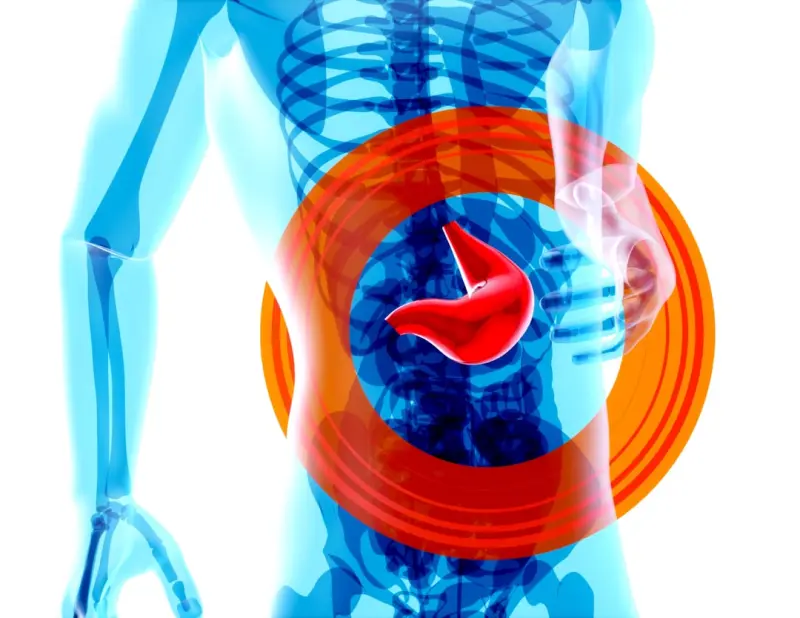
Recharging Your Engine: How Optimizing Liver Health Fuels Professional Performance
Optimizing liver health can be a game‑changer for high‑performers. Learn practical nutrition, ti... Read More

Why Your Liver Deserves a Front‑Row Seat in Your Wellness Routine
A practical guide that shifts the liver from background organ to wellness priority, offering nutriti... Read More
Top Posts

When the Night Won’t Let You Rest: Crafting a Creative Ritual for Restless Minds
Discover how to transform insomnia into a calm, creative ritual using sensory cues, brief reflection, and gentle movement, turning restless nights into producti...Read More

Turning Narcolepsy into a Workplace Advantage
Explore how narcolepsy’s unique brain dynamics can become a superpower at work, with practical steps for inclusive design, tech tools, and culture shifts that...Read More

Unscripted Movement: Turning Everyday Moments into Powerful Workouts
Learn to transform ordinary moments—stairs, benches, city streets—into high‑intensity “movement sprints” that revitalize your body, spark joy, and kee...Read More
Nutrient Architecture: Crafting Meals that Power Sustained Focus for High‑Velocity Teams
Discover a fresh approach to nutrition that treats meals as a strategic system, balancing low‑glycemic carbs, micronutrients, and timing to enhance focus and ...Read More
0 Comments
Post Comment
You will need to Login or Register to comment on this post!