

Strategic Longevity: A Data‑Centric Blueprint for Extending Your Prime
When I first stepped into the C‑suite, my ambition was measured in quarterly earnings, market share, and headline‑making product launches. Years later, the conversation has shifted—from growth curves on spreadsheets to the arc of my own vitality. Longevity is no longer a peripheral wellness buzzword; it’s a core strategic asset. In this piece, I’ll walk you through the three pillars that let high‑performing professionals translate data into added years of health, clarity, and influence.
1. Quantify What Matters: The Biometrics Dashboard
Most executives already obsess over KPIs—revenue per employee, churn rates, net promoter scores. The next logical extension is a personal dashboard that tracks the physiological signals most predictive of long‑term health. Think of it as your own personal health scorecard, refreshed daily, weekly, and monthly.
- Heart‑rate variability (HRV) – A real‑time indicator of autonomic balance. Higher HRV correlates with resilience to stress and reduced mortality risk.
- Resting heart rate (RHR) – A lower RHR often signals efficient cardiovascular function.
- Blood glucose trends – Not just fasting numbers; continuous glucose monitoring (CGM) reveals how meals, stress, and movement affect metabolic stability.
- Sleep architecture – Beyond total hours, track REM and deep‑sleep percentages. Quality sleep is the single most modifiable factor for cellular repair.
- Inflammatory markers – High‑sensitivity C‑reactive protein (hs‑CRP) and interleukin‑6 give a snapshot of systemic inflammation, a silent driver of age‑related decline.
Modern wearables and discreet CGM patches make data collection painless. The key is not the volume of data but the actionable insight. Set thresholds—HRV dips below 50 ms for three consecutive nights? Flag a “stress alert” and initiate a recovery protocol.
2. Leverage Environmental Engineering: Light, Air, and Sound
We spend roughly a third of our lives inside built environments, yet we rarely consider how those spaces influence the aging process. Recent research shows that office lighting impact on vitality goes far beyond eye strain. Tunable LED systems that mimic natural circadian rhythms can boost melatonin production at night, improve mitochondrial efficiency, and ultimately decelerate cellular senescence.
Air quality is the next frontier. Deploying HEPA filtration, monitoring CO₂ levels, and introducing biophilic elements (live plant walls) reduce oxidative stress and improve cognitive stamina. Soundscapes matter, too—white‑noise or low‑frequency ambient tones can lower cortisol spikes during high‑pressure meetings.
By auditing your workspace through a “longevity lens,” you convert environmental variables into measurable ROI: higher focus translates to faster decision cycles; better sleep translates to sharper strategic thinking.
3. Micro‑Ecology Matters: Feeding the Gut‑Brain Axis
Our internal ecosystems have a louder voice than we imagined. The microbiome performance synergy research demonstrates that specific strains of gut bacteria modulate neuroinflammation, neurotransmitter synthesis, and even telomere length. A strategic approach involves:
- Targeted prebiotic intake—Resistant starches and polyphenol‑rich foods (berries, dark chocolate) act as fuel for beneficial microbes.
- Periodic probiotic rotations—Instead of a static supplement, rotate strains to prevent ecological stagnation.
- Fermented foods as daily staples—Sauerkraut, kefir, and tempeh introduce live cultures that diversify the gut habitat.
When the gut‑brain channel operates optimally, you experience steadier mood, quicker cognitive recovery after intensive work blocks, and a lower baseline inflammatory profile—all ingredients for a longer, more productive life.
4. Stress Buffering: The Tactical Use of Recovery Sessions
Stress is inevitable, but its physiological imprint is controllable. Traditional corporate wellness programs often default to generic gym memberships, which miss the nuance of recovery timing. Adopt a “stress buffer” schedule:
- Micro‑recovery bursts – Five‑minute diaphragmatic breathing sessions after each major meeting. This simple reset can boost HRV within minutes.
- Mid‑day “digital fast” – A 30‑minute period without screens, using ambient music or nature sounds, reduces blue‑light exposure and preserves melatonin pathways.
- Weekly deep‑work blocks with built‑in wind‑down – Reserve 90 minutes for focused strategy, followed by a 15‑minute gentle stretch routine and a gratitude journal entry.
The cumulative effect of these buffers is a flatter cortisol curve across the day, which directly supports mitochondrial health and DNA repair mechanisms.
5. Nutrient Timing as a Longevity Lever
Beyond what you eat, when you eat can dictate metabolic resilience. Time‑restricted eating (TRE) aligns food intake with circadian peaks in insulin sensitivity. For most executives, a 10‑hour eating window (e.g., 8 am–6 pm) provides a sweet spot: it preserves muscle glycogen for morning performance while granting an overnight fasting period that triggers autophagy—a cellular housekeeping process linked to longevity.
Combine TRE with strategic macronutrient sequencing: start the day with protein‑rich meals to stabilize amino acid pools, then introduce complex carbs in the early afternoon to support brain glucose demands, and finish with a light, low‑glycemic dinner to avoid nocturnal insulin spikes.
6. Data‑Driven Personal Experiments
What separates a strategic longevity plan from a generic health checklist is the iterative, experimental mindset. Treat each physiological metric as an A/B test:
- Hypothesis: Adding 30 minutes of low‑intensity cycling after lunch will improve post‑lunch HRV by 10%.
- Method: Track HRV for two weeks with the intervention and two weeks without, controlling for sleep and caffeine.
- Result: If HRV rises as predicted, lock in the habit; if not, pivot to a different recovery modality.
Over time, you’ll build a personalized playbook where each habit is backed by its own data set, making the longevity strategy as rigorous as any corporate initiative.
7. The Strategic Payoff: From Personal to Organizational Impact
When your own biological systems operate at peak efficiency, the ripple effects are unmistakable:
- Decision velocity increases—clearer cognition shortens the deliberation cycle.
- Talent magnetism improves—a leader who visibly invests in longevity inspires a culture of high‑performance self‑care.
- Risk mitigation rises—fewer health‑related absences translate to smoother project pipelines.
In essence, a data‑driven longevity framework becomes a competitive advantage, allowing you to lead with stamina, foresight, and the confidence that your body will keep pace with your ambition.
Conclusion: Longevity as a Core Business Metric
For decades, executives measured success in dollars and market share. Today, the most resilient leaders are adding a new KPI to the boardroom conversation: years of high‑functioning health. By quantifying biomarkers, engineering supportive environments, nurturing the gut‑brain axis, and embedding data‑centric recovery protocols, you convert the abstract promise of “living longer” into a concrete, repeatable strategy.
Begin by selecting one metric—HRV, for instance—and commit to a 30‑day observation window. Pair it with a single environmental tweak, like adjusting office lighting to a warmer hue after 6 pm. Track the change, iterate, and expand. The process may be incremental, but the payoff compounds, extending not just your lifespan, but your period of peak influence.

William Roy is a freelance writer originally from Montreal who moved to Ottawa with his wife of 50 years to be closer to their grandkids. Alongside his writing, William has a passion for fishing.
Related Posts

Storytelling for Longevity: How Narrative Shapes Healthspan
Explore the science behind narrative storytelling and its impact on longevity. Learn daily journalin... Read More
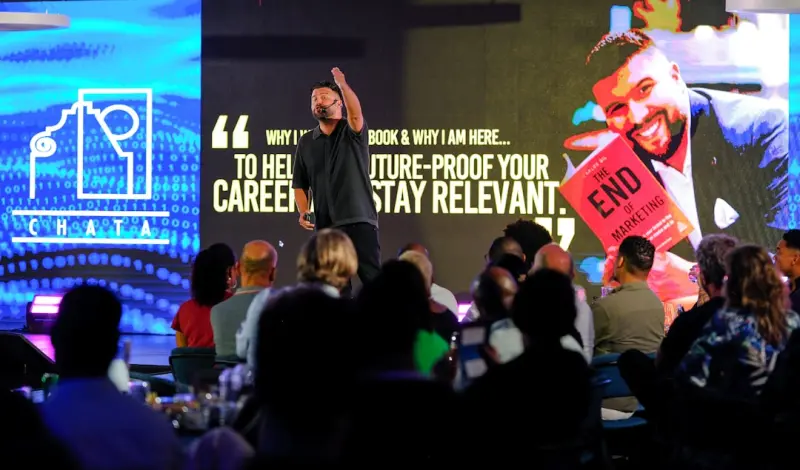
The Longevity Playbook: Future‑Proofing Your Career in a Rapidly Changing World
A strategic guide that blends physical vitality, cognitive agility, and purpose to help professional... Read More
Microbiome Mastery: How Your Gut Holds the Key to Longevity
A deep dive into how the gut microbiome influences aging, with practical dietary, lifestyle, and str... Read More
Top Posts

The Sound of Calm: How Ambient Audio Can Lower Blood Pressure
Learn how the right ambient sounds, from low‑frequency tones to binaural beats, can quietly lower blood pressure, and get practical steps to create a calming ...Read More

The Unraveling of Sleep: A Personal Journey with Insomnia
A personal journey with insomnia, exploring holistic approaches to managing sleep disorders, including exercise, physiotherapy, and lifestyle changes....Read More

Nighttime Battles: Turning Sleep Terrors into Tools for Healing
A personal guide to decoding sleep terrors, using grounding, environment tweaks, nutrition, and storytelling to turn nightly panic into peaceful sleep....Read More

When Daytime Drowsiness Becomes a Superpower: Rethinking Narcolepsy in the Modern Workplace
A fresh look at narcolepsy shows how scheduled micro‑naps, wearable tech, and neuro‑friendly workspace design can transform daytime drowsiness into a compet...Read More
0 Comments
Post Comment
You will need to Login or Register to comment on this post!