
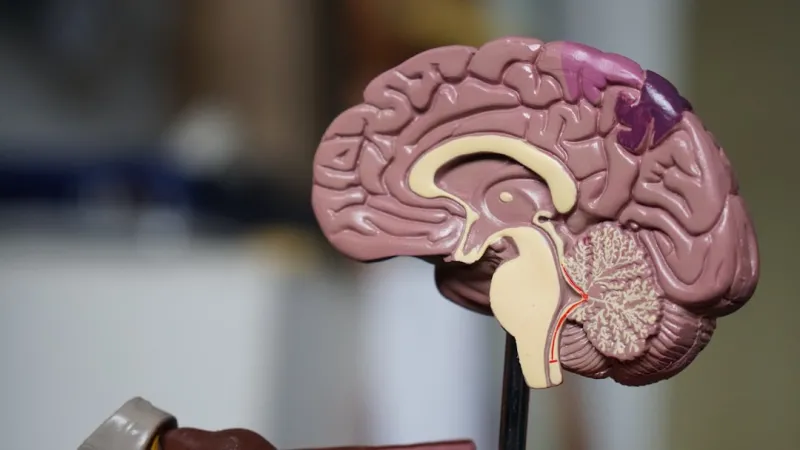
Understanding the Brain‑Gut Connection
One of the most fascinating discoveries of the past decade is how intimately our brain talks to the gut, a conversation that shapes mood, memory, and even the speed of our thoughts. I’ve spent years listening to that dialogue, noticing that a handful of fermented foods or a simple breathwork routine can turn a foggy afternoon into a crystal‑clear brainstorming session. When the microbiome is balanced, neurotransmitter production stabilizes, allowing dopamine and serotonin to flow without the spikes that lead to anxiety or brain‑fatigue. This isn’t a fleeting trend; research now shows that the vagus nerve acts like a superhighway, transmitting signals from the intestine to the cerebral cortex dozens of times per minute, meaning that every bite truly matters for cognitive performance.
Nutrition Strategies That Supercharge Cognitive Reserve
My kitchen has become a laboratory for brain‑boosting nutrition, and I’ve learned that the most effective ingredients are those that feed both neurons and the microbes that support them. Think omega‑3‑rich wild salmon paired with a side of roasted beetroot, which supplies nitrates that improve blood flow to the prefrontal cortex, the seat of decision‑making and focus. Adding a daily scoop of organic bone broth supplies collagen peptides that nurture the gut lining, preventing the “leaky gut” cascade that can release inflammatory cytokines into the bloodstream and cloud mental clarity. For those who crave a quick fix, I recommend a green smoothie that combines spinach, avocado, and a splash of kefir; the blend delivers lutein, healthy fats, and probiotics in a single, brain‑loving sip.
To deepen the impact, I incorporate adaptogenic herbs such as rhodiola and lion’s mane, both of which have been shown to support neurogenesis and reduce cortisol spikes during high‑stress periods. I also rotate my carbohydrate sources, choosing sweet potatoes, quinoa, and lentils over refined grains to keep blood sugar steady, which in turn stabilizes the brain’s energy supply. The synergy of these foods creates a resilient “cognitive reserve” that helps the brain weather the inevitable stressors of modern life, keeping memory sharp and processing speed agile. For more on how gut health fuels overall vitality, see my detailed guide in Gut Health Unlocked: My Holistic Path to a Happy Microbiome.
Lifestyle Practices That Guard Mental Agility
Beyond the plate, movement and mindfulness are the twin pillars that protect the brain from age‑related decline and everyday burnout. I start each morning with a 10‑minute sun‑salutation flow that not only awakens muscles but also stimulates the hippocampus, the region responsible for forming new memories. Light exposure early in the day synchronizes the circadian rhythm, which regulates the release of melatonin and cortisol, two hormones that directly influence sleep quality and stress resilience. When I’m consistent with this routine, I notice a sharper focus during mid‑day meetings and a smoother transition into evening relaxation.
Equally powerful is the habit of deliberate breathwork; I practice the 4‑7‑8 technique before tackling cognitively demanding tasks, which lowers heart rate variability and creates a calm mental space for problem‑solving. Coupled with short, frequent breaks—often a quick walk outside or a stretch at my standing desk—I prevent the neural fatigue that builds up during prolonged screen time. These micro‑habits cascade into macro benefits, such as enhanced synaptic plasticity, which is the brain’s ability to rewire itself in response to new information. If you’re seeking a holistic energy boost that translates into mental stamina, check out my experience in Unlocking Everyday Energy: My Holistic Secrets for Sustainable Vitality.
Sleep: The Underrated Neuro‑Rejuvenator
Sleep is the silent architect of brain health, yet it is often the first sacrifice when life gets busy. In my own journey, I’ve learned that quality outweighs quantity; a consistent 7‑hour window of deep, uninterrupted rest allows the glymphatic system to clear out neurotoxic waste like beta‑amyloid, which is implicated in cognitive decline. I protect this sacred time by dimming lights an hour before bed, swapping blue‑light screens for a calming book, and using a weighted blanket that gently stimulates the parasympathetic nervous system. These rituals create a hormonal environment rich in growth hormone, which supports neuronal repair and memory consolidation.
When occasional insomnia strikes, I turn to natural sleep aids such as magnesium glycinate and valerian root, which calm the nervous system without the grogginess of prescription medications. I also track my sleep stages using a simple wrist monitor, adjusting my bedtime to align with the body’s natural REM cycles for optimal dream‑phase cognition. Consistently applying these techniques has transformed my mornings from groggy to energized, reinforcing the brain’s ability to retain information and stay creatively engaged throughout the day.
Stress Management and the Power of Social Connection
Chronic stress is a silent assassin of brain cells, accelerating the loss of dendritic branches that are essential for learning and emotional regulation. To counteract this, I prioritize daily moments of gratitude and social interaction, both of which trigger oxytocin release and buffer the cortisol surge that can erode neural pathways. Whether it’s a quick video call with a close friend or a shared laugh over a homemade meal, these connections act as neuroprotective agents, reinforcing the brain’s reward circuitry and promoting resilience. I also integrate brief meditation sessions—five minutes of guided visualization—into my workday, which have been shown to increase gray matter density in regions associated with self‑awareness and empathy.
When stress peaks, I lean on movement‑based stress release, such as a brisk jog through a park or a dance class that lets my body express what words cannot. The physical exertion releases endorphins, while the rhythmic motion syncs brainwave activity, fostering a state of flow that leaves me mentally refreshed. By weaving these social and physical strategies into my routine, I create a robust defense against the neuro‑inflammatory cascade that stress can ignite, preserving both mood stability and cognitive sharpness.
Supplemental Allies for Cognitive Longevity
While whole foods should form the foundation of any brain‑health plan, certain supplements can provide targeted support when dietary gaps arise. I’ve found that a high‑quality phosphatidylserine complex, taken with meals, enhances membrane fluidity of neurons, thereby improving signal transmission and memory recall. In conjunction, a modest daily dose of bacopa monnieri, a herb revered in Ayurvedic tradition, has shown promising results in speeding up information processing and reducing anxiety. I also incorporate a vegan DHA source derived from algae, ensuring my brain receives the essential omega‑3 fatty acids necessary for synaptic health without relying on fish.
These supplements work best when paired with a lifestyle that minimizes oxidative stress, such as limiting processed sugars and exposing the skin to natural sunlight for vitamin D synthesis. By maintaining a balanced intake of antioxidants like curcumin and resveratrol, I help neutralize free radicals that could otherwise damage neuronal DNA. For readers interested in a broader perspective on holistic longevity, I recommend exploring Longevity Redefined: A Holistic Journey Toward Vibrant, Sustainable Life, where I delve deeper into the interplay between diet, movement, and mental clarity.
Practical Daily Blueprint for a Brain‑Fit Lifestyle
- Morning: 10‑minute sun salutation, followed by a probiotic‑rich smoothie with spinach, avocado, and kefir.
- Mid‑day: A balanced lunch featuring wild salmon, quinoa, and roasted beets; 5‑minute breathwork break before tackling complex tasks.
- Afternoon: 15‑minute walk outside, a brief gratitude journal entry, and a magnesium‑rich snack (almonds or dark chocolate).
- Evening: Light dinner with anti‑inflammatory spices, dim lighting, and a 20‑minute reading session; finish with a guided meditation and a weighted blanket for sleep.
This structured yet flexible routine keeps my brain nourished, energized, and protected against the wear and tear of modern life. By adhering to these simple, evidence‑backed habits, anyone can cultivate a mental environment that thrives on clarity, creativity, and long‑term resilience.
Looking Forward: The Future of Holistic Brain Health
The horizon of brain health is expanding beyond conventional medicine into an integrative realm where nutrition, lifestyle, and technology converge. I am excited by emerging wearable devices that monitor neuro‑feedback in real time, allowing individuals to adjust breathing, posture, or diet on the fly to maintain optimal cognitive performance. Coupled with personalized nutrigenomics, we may soon tailor specific foods and supplements to each person’s unique brain chemistry, unlocking unprecedented levels of mental acuity. Until those tools become mainstream, the fundamentals I’ve shared—balanced gut health, mindful movement, restorative sleep, and purposeful connection—remain the most reliable pathway to a thriving mind.
As we continue this journey together, I encourage you to experiment, listen to your body, and share your findings with our community. The collective wisdom we build will not only enhance individual lives but also shape a future where brain health is celebrated as a daily, joyful practice rather than a distant, medicalized goal.

Nikki McDonald is a freelancer based in Waterloo. She brings her skills and expertise to various projects, balancing her professional work with a personal life that includes her husband, Stewart.
Related Posts

Scent and Sense: Unlocking Memory Through Olfactory Training
Explore the science behind olfactory training and learn simple, daily practices that use scent to bo... Read More
Playful Brain Training: Gamified Microlearning for Cognitive Edge
A fresh look at brain health reveals that turning learning into a game can rewire neural pathways, b... Read More
Unlocking Brain Power with Multisensory Living
Explore the science behind multisensory environments and learn practical, everyday ways to boost bra... Read More
Top Posts

Glucose Mastery for High‑Performers: Data, Timing, and Fermented Fuel
Discover how wearables, meal timing, and gut‑friendly fermented foods can help high‑performers keep blood sugar steady, enhance focus, and prevent energy cr...Read More

DIY Muscle Gains: Turning Your Living Space Into a Strength Lab
Learn to transform ordinary household objects and short time slots into effective muscle‑building sessions. This guide shows how to create micro‑workout sta...Read More
Designing a Personal Vaping Ritual: Mindful Flavor Exploration and Breath Control
Learn to transform vaping from habit to mindful ritual, using flavor, breath patterns, and supportive micro‑habits to boost wellness and control nicotine....Read More

Rethinking Body Detox: Harnessing the Lymphatic Highway and Breath
Explore a holistic detox plan that leverages the lymphatic system, breathwork, nutrition, and seasonal syncing to naturally cleanse the body and boost vitality....Read More
0 Comments
Post Comment
You will need to Login or Register to comment on this post!