
Why Curiosity Is the Unsung Hero of Healthy Aging
When people talk about aging well, the conversation usually lands on diet, exercise, sleep, or the occasional supplement. Those are undeniably important, but there’s a quieter, more playful force that can stretch our healthspan dramatically: curiosity. The simple, child‑like impulse to ask “what’s this?” or “how does that work?” does more than keep boredom at bay. It rewires the brain, spikes neurochemicals that protect cells, and even nudges the body toward metabolic resilience. In this piece, I’ll walk you through the emerging science behind curiosity‑driven learning, share real‑world tactics for turning every day into a discovery lab, and explain why this habit could be the most sustainable anti‑aging strategy you’ve never heard of.
The Brain Is Not Fixed After 25
For decades, the prevailing belief was that neuroplasticity—a brain’s ability to form new connections—dwindles sharply after early adulthood. Modern neuroimaging, however, paints a different picture. Studies now show that engaging in novel mental challenges can stimulate synaptogenesis (the birth of new synapses) well into the 70s and beyond. The process isn’t just about adding more “wires” but also about strengthening existing pathways, making them more efficient and less prone to the noise that leads to cognitive decline.
What’s fascinating is that the brain treats learning something new as a physiological workout. When you pick up a new language, learn a musical instrument, or even experiment with a unfamiliar recipe, you trigger a cascade of growth factors—brain‑derived neurotrophic factor (BDNF), insulin‑like growth factor 1 (IGF‑1), and others—that promote neuronal health. These chemicals also have systemic effects, improving vascular function and modulating inflammation, both critical players in the aging equation.
Curiosity Fuels Dopamine, the Longevity Molecule
Dopamine is often cast as the “reward” neurotransmitter, but its role extends far beyond pleasure. It’s a master regulator of motivation, learning, and even immune response. When curiosity leads you down a new path—say, researching the fermentation process of kombucha—the brain releases a burst of dopamine. This spike not only reinforces the behavior, encouraging you to keep exploring, but also triggers downstream pathways that protect mitochondria, the cellular powerhouses that tend to falter with age.
In practical terms, a dopamine‑rich lifestyle translates to better mood stability, sharper focus, and a lower risk of age‑related neurodegenerative diseases. Think of it as a biochemical “oil change” for your nervous system, keeping the engine humming smoothly.
Learning as Metabolic Conditioning
Physical exercise is the gold standard for metabolic health, but mental exertion can be a complementary conditioner. When you grapple with a complex puzzle or master a new skill, the brain’s energy demand spikes. This forces neurons to become more efficient at glucose uptake and utilization, mirroring the insulin‑sensitizing effects of a brisk walk. Over time, the brain’s enhanced metabolic flexibility can spill over into peripheral tissues, helping regulate blood sugar and supporting muscle maintenance—key components of graceful aging.
Moreover, the act of learning often nudges you toward movement. For instance, learning a dance form compels you to move your body, while mastering a craft like pottery engages fine motor skills and posture. The synergy between cognitive challenge and physical activity compounds the anti‑aging benefits.
Social Learning Amplifies the Benefits
Humans are wired for social connection, and learning in groups magnifies the neurochemical payoff. Collaborative projects—book clubs, community gardening, coding meet‑ups—create a feedback loop of shared curiosity. This communal curiosity triggers oxytocin release, a hormone that not only strengthens social bonds but also dampens stress‑induced inflammation, a major driver of chronic disease.
In addition, teaching others consolidates your own knowledge and deepens neural pathways. The “protégé effect” (the brain’s enhanced retention when you teach) means that mentorship programs can be a two‑way street: the mentor stays mentally sharp, while the mentee gains fresh perspectives.
Practical Ways to Cultivate Curiosity Every Day
- Micro‑Learning Sessions: Set a timer for 10‑15 minutes each morning to explore a topic outside your comfort zone. It could be anything from astrophotography basics to the chemistry of coffee brewing.
- Ask “Why?” Repeatedly: When you encounter a new fact, drill down with “why?” at least three times. This simple technique forces you to move beyond surface‑level understanding.
- Swap Hobbies with a Friend: Rotate skills with someone you trust. If you’re a data analyst, trade lessons with a friend who paints. The novelty keeps both brains engaged.
- Turn Routine Tasks into Experiments: While cooking, experiment with spices you’ve never used. When walking, vary your route and note new sights.
- Leverage Technology Wisely: Use curated learning platforms that present bite‑sized content, but avoid the endless scroll that leads to information overload.
Overcoming the “I’m Too Old to Learn” Barrier
Self‑efficacy, or belief in your ability to succeed, is a critical predictor of whether you’ll stick with a new pursuit. To build it, start with low‑stakes challenges that guarantee success—like learning the names of three constellations or memorizing a short poem. Celebrate these wins publicly, perhaps by sharing a short video on a trusted social circle. The positive reinforcement rewires the brain’s reward circuitry, making it easier to tackle bigger, more complex tasks later.
Another common obstacle is fear of embarrassment. Reframe mistakes as data points in an experiment rather than failures. In a research‑focused mindset, every error informs the next iteration, keeping you in a growth loop.
The Ripple Effect on Physical Health
Curiosity-driven learning doesn’t stay confined to the mind. It can indirectly improve cardiovascular health by encouraging movement, enhance gut health through varied diets, and even modulate the endocrine system. For example, learning about seasonal produce often leads to incorporating fresh fruits and vegetables, which boosts antioxidant intake and supports a balanced microbiome.
Speaking of nutrition, aligning your diet with the brain’s heightened demands can amplify the benefits. A nutrition blueprint that emphasizes omega‑3 fatty acids, polyphenols, and micronutrients provides the raw materials for synaptic repair and BDNF production. Pairing these foods with your learning schedule—say, a blueberry‑rich smoothie before a study session—creates a synergistic effect.
Environmental Factors: Temperature, Light, and Cellular Wellness
While curiosity fuels internal change, the environment can either support or sabotage those gains. Recent research highlights how ambient temperature influences cellular repair mechanisms, especially in the liver and other metabolic hubs. Maintaining a moderate, comfortable indoor climate can aid in protein folding and reduce oxidative stress, which in turn supports the brain’s ability to process new information.
For those curious about optimizing their surroundings, the guide on climate‑driven strategies for cellular wellness offers actionable tips—like using a programmable thermostat, incorporating natural light, and adjusting humidity levels—to create a “learning‑friendly” environment that nurtures both mind and body.
Integrating Curiosity into Long‑Term Planning
Think of curiosity as a “soft skill” that belongs on your longevity roadmap alongside exercise and nutrition. Schedule quarterly “learning retreats” where you dive deep into a subject of interest. Set measurable goals—such as completing a beginner’s coding course or reading a specific number of research papers—then review progress with a trusted accountability partner.
Tracking your curiosity can be as simple as maintaining a “Discovery Journal.” Record what you explored, what surprised you, and any new connections you made. Over time, patterns emerge, revealing which domains spark the most growth and joy, allowing you to fine‑tune your learning itinerary.
Conclusion: Make Curiosity a Daily Ritual
Healthy aging isn’t a static checklist; it’s a dynamic, evolving practice. By deliberately courting curiosity, you ignite neurochemical cascades, bolster metabolic health, and weave stronger social fabrics—all of which are essential pillars of a vibrant, extended healthspan. The best part? Curiosity costs nothing but a willingness to ask questions and the humility to embrace the unknown. So, the next time you feel the pull of routine, answer it with a question instead, and watch how your body and mind respond.

Sarah Gray is a proud Canadian who calls Brampton home, where she lives with her husband, Paul. A passionate home cook and gifted storyteller, Sarah loves creating delicious recipes and sharing stories inspired by everyday life, family, and cherished experiences. When she isn't experimenting in the kitchen, she's busy crafting engaging content that reflects her warmth, creativity, and love of connection. Above all, Sarah treasures time spent with her grandchildren, embracing every opportunity to create lasting memories with the people she loves most.
Related Posts
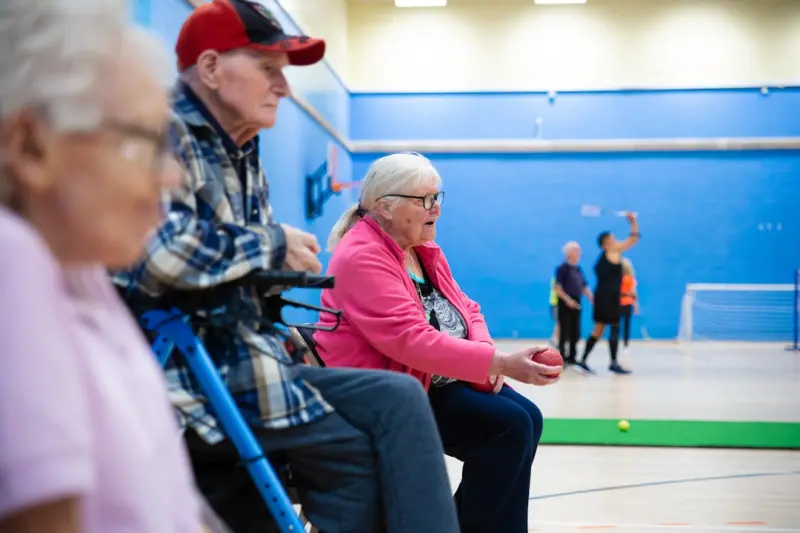
The Power of Intergenerational Storytelling for Healthy Aging
Sharing personal stories with younger generations creates purpose, stimulates the brain, and builds ... Read More

Touch, Talk, and Thrive: How Human Connection Fuels Healthy Aging
This article explores the science behind social connection as a powerful anti‑aging tool, offering... Read More
Cultivating Curiosity and Micro‑Movement: A New Blueprint for Thriving in Your 70s and Beyond
A fresh take on aging shows that pairing daily curiosity with micro‑movements creates a powerful s... Read More
Top Posts
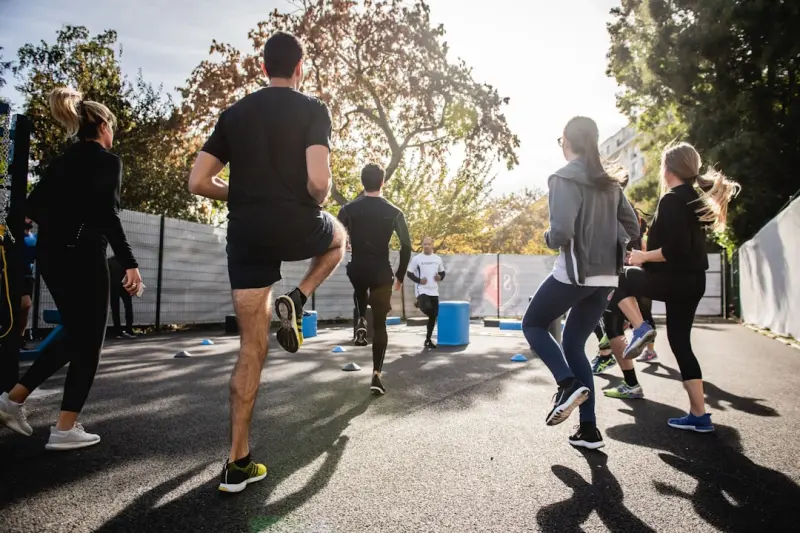
Dynamic Deskwork: Re‑Engineering Your Workstation for Continuous Motion
Discover a fresh approach to office fitness by integrating sit‑stand‑lean positions, simple mobility props, AI‑powered reminders, and habit anchors, turni...Read More
Cold Exposure: Unlocking Metabolic Resilience for Modern Life
Controlled cold exposure activates brown fat, improves insulin sensitivity, and supports gut health. This guide offers science‑backed insights and easy, safe ...Read More

Reclaiming Mental Space in a Hyper‑Connected World
Discover three actionable shifts—notification bundles, micro‑recovery routines, and a digital sanctuary—that help professionals manage cognitive overload,...Read More

Brain‑Muscle Sync: Unlock Faster Muscle Gain
Learn how to enhance muscle growth by training the brain‑muscle connection, optimizing gut health, and incorporating mental reset techniques for faster, susta...Read More
0 Comments
Post Comment
You will need to Login or Register to comment on this post!