
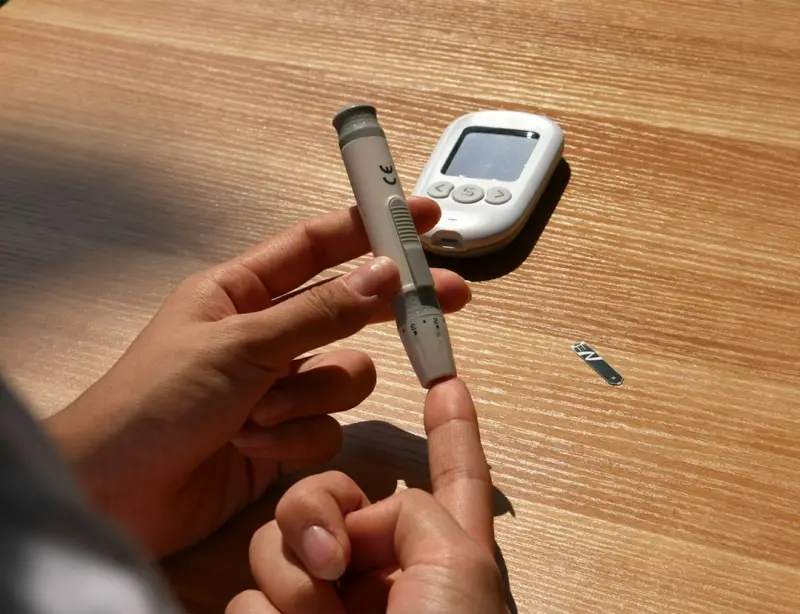
Why Your Everyday Environment Shapes Blood Sugar
Prediabetes often feels like a personal battle fought at the dinner table or during a jog. Yet the spaces we inhabit—our kitchens, living rooms, office cubicles—are silent participants in that fight. Subtle cues from lighting, layout, and even the placement of everyday objects can either nudge us toward steadier glucose or stealthily push us toward spikes. Recognizing this hidden influence opens a pragmatic path: redesign the places you spend the most time, and you’ll quietly lower your risk without a drastic overhaul of diet or exercise.
Micro‑Zones: Small Adjustments, Big Impact
Think of your home as a collection of micro‑zones, each with its own behavior‑shaping properties. Rather than attempting a massive renovation, start with focused tweaks that are easy to implement and measurable.
- Entryway Reset – Place a water bottle and a fruit bowl right by the door. The visual cue of hydration and natural sweetness prompts a healthier first choice when you come home.
- Countertop Clarity – Keep only the tools you need for quick, low‑carb meals (e.g., a small cutting board, a pepper grinder). A clutter‑free surface reduces decision fatigue and the temptation to reach for processed snacks.
- Desk Duality – Position a standing mat or a compact treadmill under your desk. Even a few minutes of light movement each hour can improve insulin sensitivity without feeling like a formal workout.
These micro‑zones act like nudges, gently steering behavior while preserving the comfort of familiar surroundings.
Lighting, Color, and Mood
Ambient light and wall hues affect more than just aesthetics; they influence hormone release, stress levels, and appetite. Soft, warm lighting in the evening signals the body to produce melatonin, which indirectly supports better glucose regulation. Conversely, bright, blue‑rich light in the morning energizes cortisol, helping you start the day with sharper metabolic focus.
Strategic color placement can also curb cravings. Cool blues and greens tend to suppress appetite, while warm reds and oranges can stimulate it. By painting the pantry a calming teal and the dining area a muted amber, you create a subconscious balance that supports steadier blood sugar.
For a deeper dive into how visual cues affect nutrition choices, explore color psychology in nutrition.
Movement‑Friendly Layouts
Physical activity doesn’t always require a gym membership. The way furniture is arranged can either encourage or discourage incidental movement. Position chairs and sofas far enough apart that you must stand and stretch to reach a remote or a TV remote. Use open‑concept shelving that invites you to walk around rather than stay seated.
In the kitchen, keep the most used utensils on opposite sides of the counter. This forces a short walk each time you cook, turning meal prep into a mini‑exercise session. Even a modest 5‑minute stroll between the sink and the stove can improve post‑meal glucose handling.
Food Visibility and Decision Fatigue
Out of sight, out of mind works both ways. When unhealthy snacks are hidden in opaque containers, they become less tempting. Conversely, placing fresh vegetables at eye level in the fridge or on the countertop makes them the default option.
Organize pantry shelves by carbohydrate load: low‑glycemic items on the top row, higher‑glycemic on the bottom. This visual hierarchy reduces the cognitive load when you reach for something, allowing you to make a lower‑impact choice without a second‑guessing pause.
Smart Sensors Without Overload
Technology can be a double‑edged sword. While continuous glucose monitors (CGMs) provide data, constant alerts can lead to anxiety. Instead, integrate passive sensors that collect environmental data—temperature, humidity, light intensity—and feed it into a simple dashboard that suggests optimal meal timing or movement breaks.
Such ambient feedback aligns with the concept of stable glucose without demanding that you watch every number. If you’re curious about how data can support metabolic health, check out stable glucose insights.
Community Integration Through Shared Spaces
Social environments amplify the effect of physical design. A shared garden, a neighborhood walking club, or a communal kitchen can reinforce healthy habits. When neighbors gather for a “Veggie Swap” or a “Walk‑And‑Talk” session, the collective momentum makes individual choices easier.
Designate a corner of your living area for a weekly “health huddle.” Use a whiteboard to track group steps, share low‑glycemic recipes, and celebrate milestones. The sense of accountability and belonging turns abstract goals into tangible, shared experiences.
Putting It All Together: A 30‑Day Home‑Shift Challenge
To translate these ideas into action, try a structured 30‑day challenge. Each week focuses on a different domain:
- Week 1 – Visual Reset: Repaint a wall, adjust lighting fixtures, and place water/fruit at entry points.
- Week 2 – Spatial Flow: Rearrange furniture to encourage movement, create micro‑zones, and declutter countertops.
- Week 3 – Food Architecture: Reorganize pantry and fridge, use transparent containers for healthy foods, and hide processed snacks.
- Week 4 – Community Anchor: Launch a health huddle, set up a shared garden plot, or start a walking group.
Track your progress with a simple journal: note energy levels, any changes in cravings, and, if you use a CGM, average glucose trends. Most participants report a noticeable reduction in mid‑day blood sugar spikes, increased daily steps, and a calmer relationship with food.
Beyond the Numbers: Emotional Resilience
Redesigning your environment isn’t just about metrics; it’s about reclaiming agency. When your surroundings actively support healthier choices, you feel less like you’re fighting a solitary battle. That emotional lift can improve sleep quality, lower stress hormones, and create a virtuous cycle that further stabilizes glucose.
Final Thought
Prediabetes is a signal, not a sentence. By treating your home and workspaces as allies—fine‑tuning light, color, layout, and social interaction—you can quietly shift the odds in your favor. The changes are subtle, the effort modest, but the cumulative impact can be profound. Start small, stay consistent, and let your environment do the heavy lifting.

Related Posts

Heritage Meals, Healthier Hearts: Redesigning Traditional Cuisine to Beat Prediabetes
Explore practical ways to transform beloved traditional dishes into prediabetes‑friendly meals, us... Read More

Micro‑Shifts for Prediabetes: A Practical Playbook for Everyday Balance
Learn how tiny, sustainable changes—from kitchen tweaks and micro‑movements to sleep hygiene and... Read More
Turning Prediabetes Into a Playground of Experiments
Learn a fresh, experiment‑focused strategy for managing prediabetes by leveraging environmental fa... Read More
Top Posts

Data‑Driven Self‑Management: Leveraging Wearables and AI to Tame Autoimmune Flare‑Ups
A deep dive into using wearable tech and AI to predict autoimmune flare‑ups, offering practical steps, community insights, and a glimpse into the future of in...Read More
Reclaiming Your Edge: A Modern Man’s Blueprint for Gut‑Driven Vitality
A practical guide showing men how a balanced gut microbiome fuels better performance, mood, and hormone health, with everyday habits, testing tips, and real‑w...Read More

Unlocking Brain Power with Multisensory Living
Explore the science behind multisensory environments and learn practical, everyday ways to boost brain health through sight, sound, scent, and touch....Read More

How to Choose Health Insurance That Supports Your Holistic Lifestyle
A practical guide to selecting health insurance that aligns with a whole‑body wellness mindset, covering preventive services, alternative therapies, and futur...Read More
0 Comments
Post Comment
You will need to Login or Register to comment on this post!