
Rethinking Prediabetes: From Passive Risk to Active Play
When I first stumbled onto the term “prediabetes,” it felt like a polite warning on a traffic sign—something to keep in mind, but not urgent enough to demand a detour. Over the years of interviewing scientists, coaches, and everyday people wrestling with the label, I’ve come to see prediabetes not as a static medical note, but as a dynamic invitation to experiment with the very systems that keep our bodies humming.
That shift in mindset is the cornerstone of this piece. Instead of framing prediabetes as a looming failure, I’ll explore how we can turn the condition into a sandbox for intentional, data‑driven play. We’ll dig into the invisible levers—air, light, digital noise, and hydration—that most health guides overlook, and I’ll share a practical framework for turning those levers into daily micro‑experiments.
The Myth of “Just Eat Less Sugar”
Everyone has heard the mantra: “Cut the sugar, lose the weight, fix the blood‑glucose.” While reducing refined carbs is undeniably helpful, it’s a simplistic view that treats the body like a single‑input machine. In reality, blood‑glucose is the output of a complex orchestra of hormones, nerves, and environmental cues.
Consider how a sudden change in office temperature can nudge insulin sensitivity, or how a night of scrolling feeds can spike cortisol, which in turn raises glucose even if you haven’t touched a cookie. The “just eat less sugar” narrative glosses over these subtleties, leaving many feeling powerless when the scale refuses to budge.
Environmental Echoes: Air, Light, and the Hidden Metabolism
One of the most underappreciated influencers on glucose regulation is the quality of the air we breathe. Poor ventilation, high levels of volatile organic compounds (VOCs), and even indoor humidity can stress the autonomic nervous system, subtly shifting glucose handling.
In my recent conversations with workplace designers, I discovered that a well‑ventilated office can improve insulin sensitivity by as much as 10% over a month. This isn’t hype; it’s data that emerged from studies linking indoor air pollutants to metabolic inflammation.
For a deeper dive into how the very air around you can become a lever for metabolic health, check out the post on Office Air Quality. It outlines actionable steps—like introducing houseplants, using HEPA filters, and scheduling short “air breaks” away from HVAC‑centralized zones—that are just as relevant for prediabetes management as they are for liver wellness.
Digital Minimalism: Turning Off the Glucose‑Guzzling Noise
Our screens are more than a source of entertainment; they are constant sources of stress hormones. The blue‑light surge at night suppresses melatonin, which is intricately linked to insulin secretion. Moreover, the habit loops created by endless notifications keep the sympathetic nervous system in a low‑grade “fight‑or‑flight” state, nudging the liver to release stored glucose.
Enter Digital Minimalism. By carving out intentional “tech‑free” windows, we can lower cortisol spikes and give our circadian rhythm room to reset. The key isn’t to abandon technology, but to wield it with the same strategic intent we use in a sports game—identify the rules, set the boundaries, and play to win.
Start small: designate the first hour after waking as a “no‑screen zone,” use grayscale on your phone to reduce visual stimulation, and batch notifications so you only check them twice a day. Track how these changes affect your fasting glucose for a week, and you may be surprised by the results.
Adaptive Hydration: The Secret Ingredient You’re Likely Missing
Water isn’t just a filler; it’s a conduit for glucose transport and a regulator of hormone signaling. Yet most hydration advice remains static—drink eight glasses a day, regardless of activity level, climate, or body composition.
Personalized, real‑time hydration is a game‑changer for people walking the prediabetes tightrope. The concept, explored in depth in Adaptive Hydration, marries wearable sensors with AI algorithms that adjust fluid intake recommendations based on sweat rate, ambient temperature, and even recent carbohydrate intake.
Implementing a low‑tech version is possible today. Keep a simple log of your water intake alongside your meals and physical activity. Notice patterns—do you tend to be higher on glucose the day you forget to hydrate after a morning run? Over time, you’ll build a feedback loop that refines your intake without the need for a fancy device.
The Playbook: Micro‑Experiments for Metabolic Mastery
Instead of a grand, rigid diet plan, I propose a series of bite‑size experiments that you can stack and iterate. Think of each experiment as a hypothesis you’re testing with your own body as the lab.
- Air Quality Swap: For one week, replace your office chair with a standing desk placed near a window. Add a portable air purifier. Log fasting glucose each morning.
- Screen Sabbatical: Choose a single evening (e.g., Tuesday) to go completely screen‑free after dinner. Measure your morning glucose and note any differences in sleep quality.
- Hydration Rhythm: Set a reminder to drink 250 ml of water every 90 minutes on workdays. Compare glucose trends to a baseline week where you drank “as needed.”
- Micro‑Movement Burst: Every two hours, perform a 2‑minute low‑impact movement sequence (e.g., calf raises, shoulder rolls). Track how these micro‑breaks affect post‑prandial spikes.
The power of this approach lies in its low barrier to entry and the immediate data feedback you receive. You don’t need a Ph.D. in endocrinology—just a curiosity and a willingness to tweak one variable at a time.
Community as Catalyst: Turning Solo Data into Shared Wisdom
Human beings are wired for collaboration. When you share your micro‑experiment results with a trusted group—whether it’s a workplace wellness circle, a local running club, or an online forum—you gain two advantages:
- Social Accountability: Knowing that someone will ask “How did your air‑quality experiment go?” nudges you to stick with the protocol.
- Collective Insight: Patterns emerge faster when multiple bodies contribute data, letting you spot trends that might be invisible in a single dataset.
Consider setting up a shared spreadsheet or a private Slack channel where participants log daily glucose, sleep, hydration, and environmental variables. Celebrate small wins, troubleshoot setbacks together, and iterate as a community. The result is a living, breathing knowledge base that feels more like a game than a medical regimen.
From Data to Narrative: Making Numbers Meaningful
Data in isolation can feel cold. Transform it into a story you care about. For example, instead of saying “My fasting glucose dropped from 108 mg/dL to 99 mg/dL,” frame it as “I reclaimed the morning energy I used to lose after the 9 am meeting.” This narrative hook makes the habit stick and fuels intrinsic motivation.
In practice, pair a simple graph of your glucose trend with a short journal entry about how you felt that day—energetic, foggy, irritable. Over weeks, you’ll see a correlation between subjective experience and objective numbers, reinforcing the cause‑and‑effect loop.
Practical Toolkit: What You Need to Get Started Today
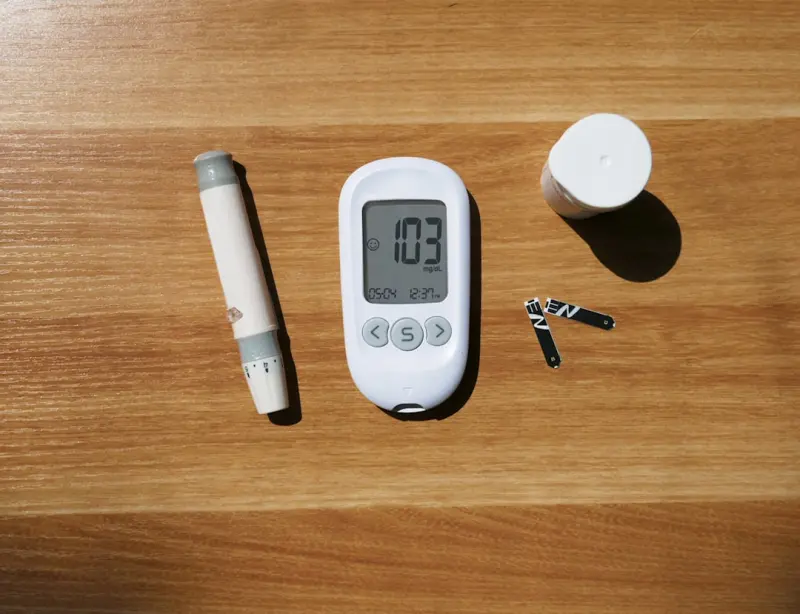
- Glucose Tracker: A low‑cost finger‑stick meter or a continuous glucose monitor (CGM) if you have access.
- Air Quality Monitor (optional): Devices that read PM2.5, CO₂, and VOC levels are becoming affordable. Even a simple indoor plant can serve as a proxy for better air.
- Digital Boundaries: Install “Focus” or “Do Not Disturb” schedules on your devices.
- Hydration Log: Use a water‑tracking app or a reusable bottle with volume markings.
- Community Platform: Choose a platform that fits your comfort level—WhatsApp, Discord, or a private Google Sheet.
Looking Ahead: The Future of Prediabetes Management
As wearables get smarter and workplaces prioritize wellness architecture, the ecosystem for prediabetes management will become richer. Imagine office spaces that automatically adjust ventilation based on real‑time metabolic feedback, or AI assistants that suggest the optimal time for a hydration break based on your upcoming meals.
Until those sci‑fi scenarios become everyday reality, the most powerful tool remains the one you can wield today: intentional, playful experimentation. By reframing prediabetes from a passive diagnosis to an active playground, you reclaim agency, invite curiosity, and set the stage for lasting metabolic resilience.
Take the First Step
Pick one micro‑experiment from the playbook, set a 7‑day timer, and commit to logging both the numbers and the feelings. Share your observations with a friend or a community group. In the next week, you’ll have a concrete data point, a story, and a sense of momentum—exactly the ingredients needed to transform prediabetes from a looming threat into a catalyst for healthier living.

Related Posts

The Quiet Power of Predictive Nutrition in Prediabetes
A practical guide exploring micro‑habits, predictive nutrition, and preventive health models that ... Read More

Unlocking the Gut: How Microbiome Mastery Can Turn Prediabetes Around
Discover how a diverse gut microbiome can improve insulin sensitivity and reverse prediabetes. Learn... Read More

Turning Prediabetes Into an Adventure Blueprint
A personal adventure‑first guide transforms prediabetes into a dynamic journey, using community ch... Read More
Top Posts

Scent and Sense: Unlocking Memory Through Olfactory Training
Explore the science behind olfactory training and learn simple, daily practices that use scent to boost memory, manage stress, and support overall brain health....Read More

Functional Fitness: A Modern Man’s Blueprint for Longevity
Learn how functional fitness transforms everyday strength, mobility, and mental resilience for men, offering practical steps and lifestyle tweaks that support l...Read More

The Liver’s Secret Ally: How Seasonal Foods Boost Detox and Vitality
Seasonal eating isn’t a trend—it’s a strategic way to nourish your liver. Learn why spring greens, summer berries, autumn roots, and winter crucifers each...Read More

Rethinking Your Clock: How Sleep Patterns Influence Autoimmune Health
This post explores the powerful link between circadian rhythms and autoimmune disease, offering practical steps for sleep, nutrition, movement, and stress manag...Read More
0 Comments
Post Comment
You will need to Login or Register to comment on this post!