
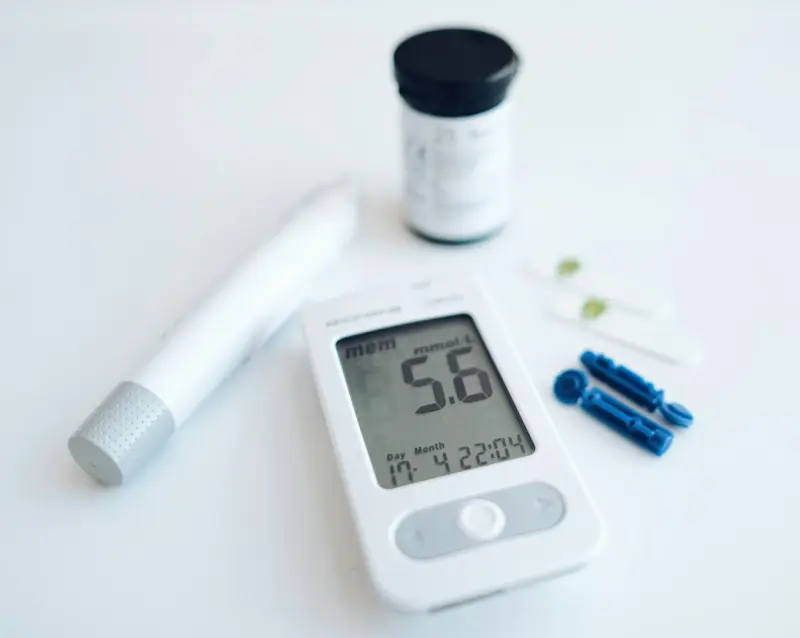
Why Breathing Matters More Than You Think
When I first started coaching clients with borderline‑high glucose, the conversation always circled back to what they ate and when they ate. It was only after a year of digging deeper—tracking stress levels, sleep quality, even the temperature of the room—that I discovered a hidden lever: the breath. A simple, intentional breath can shift the autonomic nervous system from a fight‑or‑flight state (which spikes glucose) to a rest‑and‑digest mode (which encourages insulin sensitivity). In this post, I’ll walk you through the science, the practice, and the everyday tweaks that let you harness this invisible tool.
The Physiology Behind a Breath‑Induced Glucose Dip
Every inhalation sends a cascade of signals through the vagus nerve, the primary conduit between the brainstem and the gut. When the vagus is activated, it releases acetylcholine, a neurotransmitter that:
- Reduces cortisol, the stress hormone that drives hepatic glucose production.
- Enhances pancreatic β‑cell responsiveness, helping insulin release more efficiently.
- Improves peripheral glucose uptake by increasing muscle perfusion.
In lay terms: a calm, deep breath tells your body “all is well,” prompting it to store rather than release sugar. The effect is subtle but measurable—studies show a 5‑10% reduction in post‑prandial glucose after just five minutes of paced breathing.
Three Breath Techniques That Actually Move the Needle
Below are three evidence‑based breathing patterns I use with clients. Each can be done at a desk, on a walk, or while waiting for your coffee to brew.
1. 4‑7‑8 Box Breathing
Inhale for 4 seconds, hold for 7, exhale for 8. Repeat four cycles.
- Why it works: The extended exhale triggers the parasympathetic nervous system, lowering adrenaline and cortisol.
- Practical tip: Pair it with a visual cue—like the ticking of a wall clock—to stay consistent.
2. Resonant Breathing (5‑5 Rhythm)
Breathe in for 5 seconds, out for 5 seconds, aiming for six breaths per minute.
- Why it works: This rhythm aligns with heart‑rate variability (HRV) peaks, a reliable marker of metabolic health.
- Practical tip: Use a smartphone HRV app to monitor progress; a rise in HRV often coincides with better glucose control.
3. Diaphragmatic “Ocean” Breath
Place one hand on the chest, one on the belly. Inhale deeply, feeling the belly rise like a wave, then exhale slowly.
- Why it works: Engaging the diaphragm stimulates the vagus nerve more directly than shallow chest breathing.
- Practical tip: Practice this while standing in front of a mirror; visual feedback reinforces proper technique.
Integrating Breathwork With Nutrition
Breathwork doesn’t replace good nutrition, but it amplifies its impact. Think of it as a “glucose‑friendly catalyst.” Here are two ways to weave breathing into your meals:
- Pre‑Meal Pause: Before every bite, take three rounds of 4‑7‑8 breathing. This steadies blood sugar spikes by priming the vagus nerve for better insulin response.
- Post‑Meal Reset: About 30 minutes after eating, engage in a 5‑minute resonant breathing session. This helps blunt the typical “second‑hour” glucose surge that many experience.
If you’re curious about how the timing of these practices aligns with your meals, check out our Meal Timing Mastery guide. It dives deeper into synchronizing eating windows with circadian rhythms—another layer that works hand‑in‑hand with breathwork.
Beyond Breath: The Role of Posture and Ambient Environment
While we’re on the subject of subtle, often‑overlooked factors, two more deserve a shout‑out: posture and ambient temperature. Both influence the autonomic balance that controls glucose.
Posture as a Metabolic Lever
Sitting slumped for hours compresses the diaphragm, limiting its ability to fully engage during breathing. The result? Shallow breaths, higher sympathetic tone, and a modest rise in blood sugar. Simple posture hacks can reverse this:
- Set a reminder every hour to “open your chest”: sit tall, roll shoulders back, and take a deep diaphragmatic breath.
- Consider a standing desk for part of the day; standing naturally encourages a more upright spine and deeper breaths.
Temperature Tweaks for Glucose Stability
Cold exposure—think a brisk 10‑minute walk in cool weather or a brief cold shower—activates brown adipose tissue (BAT). BAT burns glucose to generate heat, providing a natural, calorie‑free glucose sink. Conversely, overheating can stress the body, spiking cortisol and, consequently, glucose.
- Cold tip: End your morning shower with a 30‑second burst of cool water, focusing on slow breaths as the chill hits.
- Heat tip: Keep indoor temperatures between 68‑72°F (20‑22°C) during work hours; avoid excessive sauna sessions if you’re already glucose‑sensitive.
Mindful Movement: Pairing Breath with Light Activity
Light movement that syncs with breath—like gentle yoga flow or tai chi—offers a double‑dose of glucose regulation. The rhythmic coordination reinforces vagal tone, while the activity itself promotes glucose uptake by muscles.
Even a five‑minute “walk‑and‑breathe” break can make a difference. Walk at a comfortable pace, inhaling for three steps and exhaling for three steps. This simple cadence keeps heart rate low, fostering a metabolic environment primed for insulin sensitivity.
Nutrition Synergy: Pairing Food With Breath
Speaking of synergy, the right food combos can magnify the breath’s benefits. One of my favorite pairings is protein + fiber + healthy fat with a pre‑meal breath routine. This trio slows carbohydrate absorption, giving the vagus‑mediated insulin response time to act.
If you’re hunting for concrete food pairings, our Nutrient Pairing for Peak Performance article offers a menu of combinations that keep blood sugar on a gentle slope rather than a roller‑coaster.
Tracking Progress Without a Lab
Not everyone has continuous glucose monitoring (CGM) at hand, but you can still gauge the impact of breathwork with simple metrics:
- Energy Levels: Notice if you feel steadier mid‑morning after a pre‑breakfast breathing session.
- Cravings: A reduction in sudden sugar cravings often signals improved insulin sensitivity.
- HRV Scores: Use a wearable that tracks heart‑rate variability; rising HRV correlates with better glucose handling.
Common Pitfalls and How to Avoid Them
Like any habit, breathwork can fall flat if practiced incorrectly. Here are the three most common mistakes I see:
- Rushing the exhale: The exhale is the “brake” that triggers parasympathetic activation. If you rush, you miss the calming effect.
- Holding breath too long: Prolonged retention can increase CO₂ levels, leading to dizziness and a stress response.
- Inconsistent practice: Benefits accrue with regularity. Aim for at least three dedicated sessions per day, even if they’re only two minutes each.
Putting It All Together: A Sample Daily Blueprint
Below is a flexible schedule that stitches breathing, posture, temperature, and nutrition into a cohesive routine. Feel free to adjust timing to fit your lifestyle.
| Time | Action |
|---|---|
| 06:30 | Wake, hydrate, 5‑minute resonant breathing while standing by a window (let natural light in). |
| 07:00 | Breakfast: Greek yogurt + berries + chia seeds. Pre‑meal 4‑7‑8 breathing (3 cycles). |
| 09:30 | Mid‑morning stretch: 2‑minute diaphragmatic “ocean” breath while seated, posture check. |
| 12:00 | Lunch: Grilled salmon, quinoa, roasted veggies. Post‑meal 5‑minute resonant breathing. |
| 14:30 | Quick walk‑and‑breathe: 5‑minute stroll, inhale‑3‑steps, exhale‑3‑steps. |
| 18:00 | Dinner: Lentil soup + side salad. 30‑second cool‑shower finish, focusing on deep breaths. |
| 20:00 | Evening wind‑down: 4‑7‑8 breathing in dim light, journaling any cravings or energy shifts. |
This blueprint isn’t a rigid prescription; it’s a scaffold. The goal is to embed breath as a default response to everyday triggers—stress, meals, and even the urge to check your phone.
Wrapping Up: Breath as a Daily Prescription
In a world obsessed with the next superfood or high‑tech gadget, it’s easy to overlook the most accessible tool we all carry: the breath. By deliberately engaging the vagus nerve through structured breathing, aligning posture, moderating ambient temperature, and pairing these practices with smart nutrition, you create a multi‑layered defense against glucose spikes.
Start small—maybe just three breaths before your next coffee. Notice the subtle calm that follows. Over weeks, you’ll likely see steadier energy, fewer cravings, and, if you’re lucky, a measurable dip in your fasting glucose. The best part? No prescription, no side effects—just a few minutes a day and the power to rewrite your metabolic story.

Sarah Gray is a proud Canadian who calls Brampton home, where she lives with her husband, Paul. A passionate home cook and gifted storyteller, Sarah loves creating delicious recipes and sharing stories inspired by everyday life, family, and cherished experiences. When she isn't experimenting in the kitchen, she's busy crafting engaging content that reflects her warmth, creativity, and love of connection. Above all, Sarah treasures time spent with her grandchildren, embracing every opportunity to create lasting memories with the people she loves most.
Related Posts
Holistic Blueprint for Stable Blood Sugar
A comprehensive guide that goes beyond counting carbs, offering actionable tips on meal timing, ligh... Read More
Balancing Blood Sugar Naturally: My Holistic Journey to Stable Glucose
A personal guide to stabilizing blood sugar using nutrition, exercise, and mindfulness—practical t... Read More
Rethinking Blood Sugar: Rhythm, Movement, and Social Flow
A novel approach to blood‑sugar management that blends ultradian rhythms, micro‑meals, brief mov... Read More
Top Posts
Reprogramming Prediabetes: Small Data‑Driven Steps for Big Metabolic Gains
Discover a science‑backed, step‑by‑step plan that uses meal timing, continuous glucose monitoring, gut health, sleep, and stress management to turn predia...Read More

Designing Your Environment for Effortless Weight Loss
What if losing weight required less willpower and more smart design? Learn how to reshape your home, routines, and social cues so the scale moves down almost on...Read More

Micro‑Moments: Tiny Rituals That Rewire Your Brain for Calm
Micro‑moments are brief, intentional pauses that reset the nervous system, improve focus, and build lasting emotional resilience. Learn how to weave these tin...Read More
Nurturing Your Liver in 2026: A Holistic Blueprint for Vitality
Explore a holistic 2026 liver‑care blueprint that blends diet, movement, stress management, and sleep to boost vitality and support whole‑self wellness....Read More
0 Comments
Post Comment
You will need to Login or Register to comment on this post!