

When I first heard the word “prediabetes” I felt a familiar pang of denial mixed with curiosity. It wasn’t a diagnosis that shouted loudly; it whispered in the background of my morning coffee cravings, my post‑lunch slump, and that lingering sense that my body was “almost” out of sync. I realized I was standing at a crossroads where a handful of tiny choices could either nudge me toward a full‑blown diagnosis or gently steer me back onto a balanced path. This article is my map—drawn from lived experience, a dash of science, and a love for the little things that add up.
Why “Micro‑Shifts” Matter More Than Grand Plans
Traditional health advice often feels like a mountain you need to climb in one sprint: drastic diet overhauls, marathon‑length workouts, or a complete lifestyle reboot. The problem? Most of us don’t have the bandwidth or emotional stamina to sustain such intensity. My own attempts at “big changes” left me feeling guilty when I slipped, which only deepened my stress—a hidden driver of blood‑sugar spikes.
Research now shows that small, consistent actions are far more effective for maintaining stable glucose levels. Think of it like adjusting the thermostat a degree at a time rather than turning the heat off completely. Each micro‑shift creates a ripple effect, reshaping habits without overwhelming you.
1. Re‑engineer Your Environment, Not Just Your Willpower
Our surroundings are silent conductors of behavior. If the kitchen counter is a battlefield of sugary snacks, you’ll fight every time you reach for a snack. Instead, redesign the stage:
- Visual cues matter. Place a bowl of fresh berries at eye level, and store processed carbs on higher shelves where they’re less reachable.
- Lighting can influence cravings. Soft, warm lighting in the evening reduces the urge for high‑glycemic foods, while bright daylight encourages fruit and veg consumption.
- Water stations. A filtered water pitcher on your desk reminds you to hydrate, which often disguises itself as hunger.
These tweaks don’t require willpower; they simply make the healthier choice the default one.
2. Harness the Power of Creative Kitchen Strategies
Cooking at home doesn’t have to be a chore. I transformed my kitchen into a playground where flavor meets function. Here are three tricks I use to keep glucose levels steady without sacrificing taste:
- Spice it up. Cinnamon, turmeric, and ginger have modest blood‑sugar‑lowering properties. Adding them to oatmeal, smoothies, or soups creates a flavor boost and a metabolic edge.
- Swap the starch. Replace half of the rice in stir‑fries with cauliflower rice. You retain the texture you love, but cut down the carbohydrate load dramatically.
- Batch‑cook “smart carbs.” Cook a batch of quinoa, lentils, or farro, then portion them into containers with veggies and protein. This way you avoid the temptation of instant, refined carbs when you’re rushed.
When meals are both satisfying and balanced, the impulse to reach for a sugary snack diminishes.
3. The “Two‑Minute Rule” for Movement
Exercise myths tell us we need 30‑minute blocks to see benefits. In reality, movement in 2‑minute bursts can improve insulin sensitivity just as well—especially when done consistently throughout the day.
Try this:
- Stand up and stretch for 2 minutes every hour. Simple calf raises, shoulder rolls, or a quick hallway walk can reset your blood flow.
- Do a set of 10 body‑weight squats after each bathroom break.
- Take a “micro‑walk” before meals—just 2 minutes of brisk walking can blunt post‑meal glucose spikes.
These mini‑sessions add up to over an hour of activity per day without feeling like a workout.
4. Mindful “Pause” Before Eating
It’s easy to dive into a meal while scrolling on your phone, but that habit disconnects your brain’s natural hunger cues. I’ve instituted a 30‑second “pause” ritual:
- Set a timer as soon as you sit down.
- Take three deep breaths, noticing the aromas, textures, and colors of your food.
- Ask yourself, “Am I truly hungry, or am I reaching for comfort?”
This brief mindfulness practice sharpens your awareness, helping you stop the automatic cycle of overeating that fuels prediabetes.
5. Sleep Hygiene: The Unsung Hero
While our recent post on night‑time breathing explores sleep apnea, this section focuses on a broader, often overlooked factor: sleep quality. Inadequate or fragmented sleep spikes cortisol, which drives insulin resistance.
Three easy tweaks for better sleep:
- Consistent bedtime. Aim for the same sleep window each night, even on weekends.
- Screen curfew. Turn off devices 30 minutes before bed; the blue light suppresses melatonin, a hormone that regulates glucose metabolism.
- Cool bedroom. A temperature around 65°F (18°C) promotes deeper REM cycles, supporting hormonal balance.
Better sleep translates into steadier blood‑sugar numbers and a calmer mind.
6. The Gut‑Microbiome Connection
Emerging research highlights a fascinating link between gut bacteria and glucose regulation. A diverse microbiome can improve insulin sensitivity. Here’s how I nurture my gut:
- Fermented foods. A spoonful of kefir, a few slices of kimchi, or a serving of kombucha adds beneficial probiotics.
- Prebiotic fibers. Foods like garlic, onions, and chicory root feed the good bacteria.
- Limit artificial sweeteners. They can disrupt microbial balance, paradoxically worsening glucose tolerance.
Small dietary additions can gradually reshape your microbiome, creating a supportive environment for blood‑sugar control.
7. Emotional Resilience as a Metabolic Tool
Stress isn’t just a mental state; it’s a physiological driver that spikes glucose. I’ve found that building emotional resilience—through journaling, brief meditation, or even a quick call to a friend—creates a buffer against stress‑induced spikes.
Try the “5‑Minute Reset”:
- Close your eyes and inhale for four counts, exhale for six.
- Identify the current stressor without judgment.
- Choose one small action you can take right now to alleviate it (e.g., send an email, stretch, or set a reminder).
This practice turns reactive stress into proactive problem‑solving, reducing cortisol’s impact on your glucose.
8. Leverage Technology, Not Obsession
Continuous glucose monitors (CGMs) have become popular, but you don’t need an expensive device to stay on top of trends. Simple tools can still offer insight:
- Food‑tracking apps. Logging meals helps you notice patterns—like hidden sugars in sauces.
- Step counters. Aim for 10,000 steps a day; the incremental movement supports insulin sensitivity.
- Smart water bottles. Hydration reminders keep you from confusing thirst with hunger.
The key is to use data as a guide, not a source of anxiety.
9. Community Support: You’re Not Alone
When I shared my prediabetes journey with a small group of friends, the accountability and shared recipes made the transition smoother. Consider joining a local walking club, an online forum, or even a cooking class focused on low‑glycemic meals. The collective energy can keep you motivated when personal willpower wanes.
10. Celebrate Micro‑Wins, Not Just Milestones
Every time you choose a veggie over a bag of chips, or add a 2‑minute walk before lunch, you’re building a healthier metabolic foundation. Celebrate these moments—perhaps with a non‑food reward like a new book, a plant, or a relaxing bath. Recognizing the small victories reinforces the habit loop and keeps you moving forward.
Putting It All Together: Your 30‑Day Micro‑Shift Blueprint
Here’s a simple, printable roadmap you can follow:
| Day | Micro‑Shift |
|---|---|
| 1‑5 | Introduce the 30‑second “pause” before meals. |
| 6‑10 | Swap one refined carb with a low‑glycemic alternative. |
| 11‑15 | Add two 2‑minute movement bursts each day. |
| 16‑20 | Incorporate a fermented food at least three times. |
| 21‑25 | Set a consistent bedtime and screen curfew. |
| 26‑30 | Join a community group or share progress with a friend. |
Each block builds on the previous one, ensuring you never feel like you’re juggling too many changes at once.
Final Thoughts: Embrace the Journey, Not Just the Destination
Prediabetes is a signal, not a sentence. It tells us that our bodies are ready for a gentle nudge toward balance. By focusing on micro‑shifts—environmental tweaks, creative kitchen hacks, brief movement, mindful pauses, sleep hygiene, gut health, emotional resilience, and community—you create a sustainable ecosystem that naturally regulates blood sugar.
If you’re wondering where to start, pick one of the ten strategies above and commit to it for just one week. Notice the subtle changes, celebrate them, and then layer on another habit. Before you know it, you’ll have built a robust, personalized framework that not only steers you away from a diabetes diagnosis but also enhances overall wellbeing.
Remember, the journey is yours alone, but you don’t have to walk it in isolation. Reach out, share, and keep experimenting. Your future self will thank you.

Related Posts
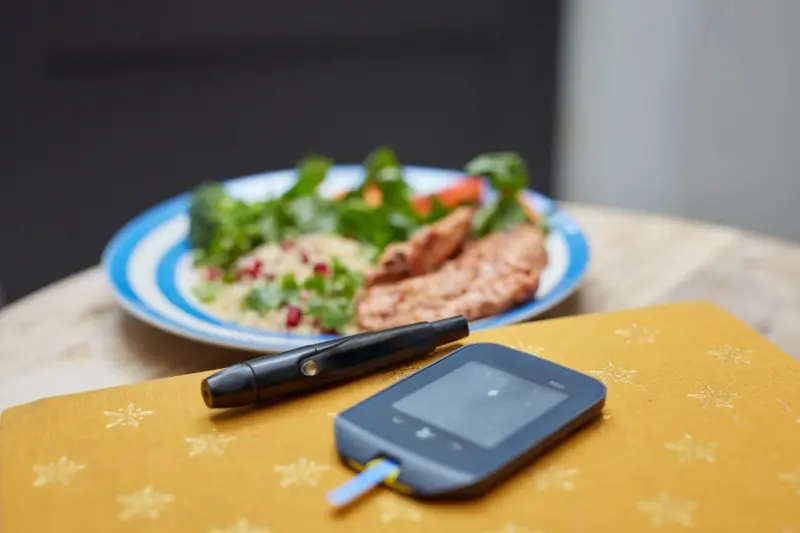
Turning Prediabetes Into a Launchpad for Everyday Wellness
A candid, step‑by‑step journey from prediabetes diagnosis to daily wellness habits that empower ... Read More
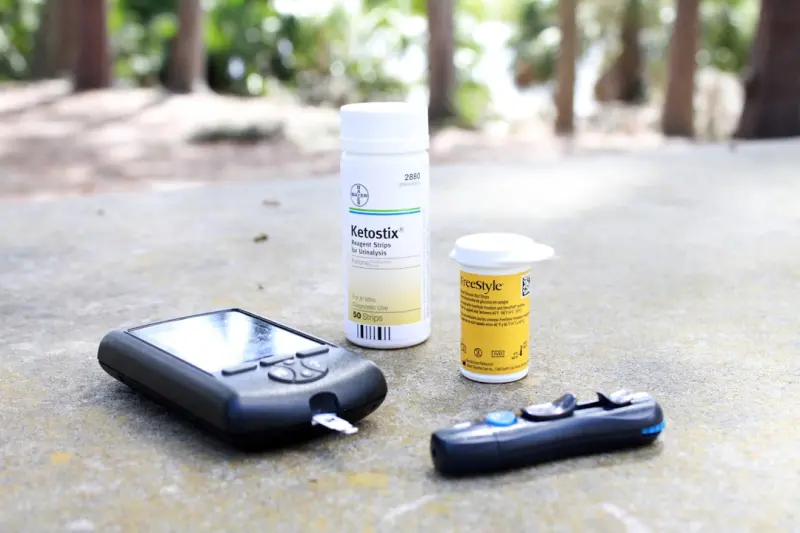
Prediabetes and the Invisible Workload: Managing the Hidden Stressors of a Silent Diagnosis
Prediabetes brings more than blood‑sugar concerns; it adds hidden stressors that affect identity, ... Read More

Navigating Prediabetes: A Holistic Roadmap to Reclaim Health
Learn how to transform prediabetes into vitality with a holistic approach that blends nutrition, exe... Read More
Top Posts
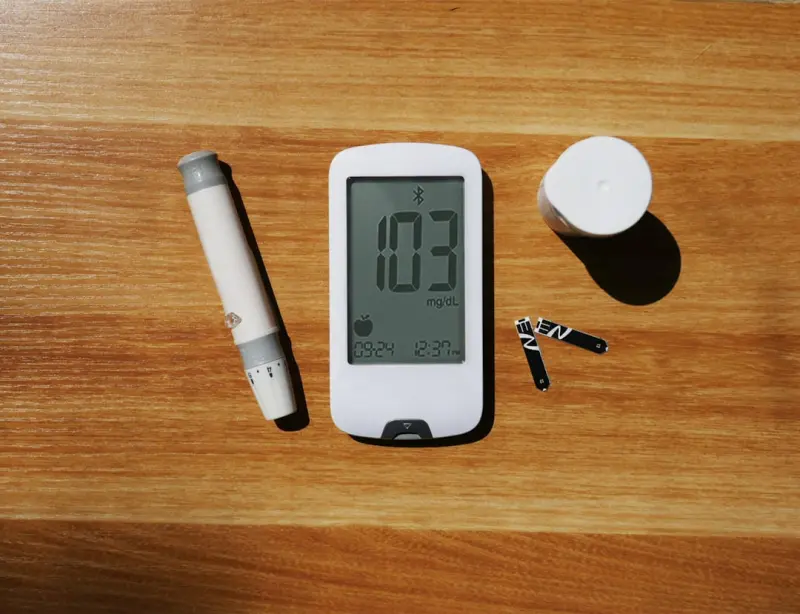
Reprogramming Prediabetes: A Systems‑Design Approach to Metabolic Health
Treat prediabetes like a software beta: reframe the narrative, redesign your environment, and use habit stacking, stress management, and data insights to turn e...Read More

The Untapped Secret: Strengthening Your Liver in a Digital World
A deep dive into the overlooked stressors that tax the liver today, practical nutrition‑timing tweaks, gut‑liver synergy, and emerging tech tools that toget...Read More

When Work Becomes Play: Leveraging Exercise to Supercharge Creative Output
Learn how intentional exercise can become a catalyst for breakthrough ideas, with a step‑by‑step system, real‑world case study, and tips for scaling the p...Read More

Breathing Out the Toxins: A Fresh Take on Body Detox
Explore a unique detox approach that leverages deep breathing techniques, environmental tweaks, and supportive nutrition to enhance toxin elimination and improv...Read More
0 Comments
Post Comment
You will need to Login or Register to comment on this post!