
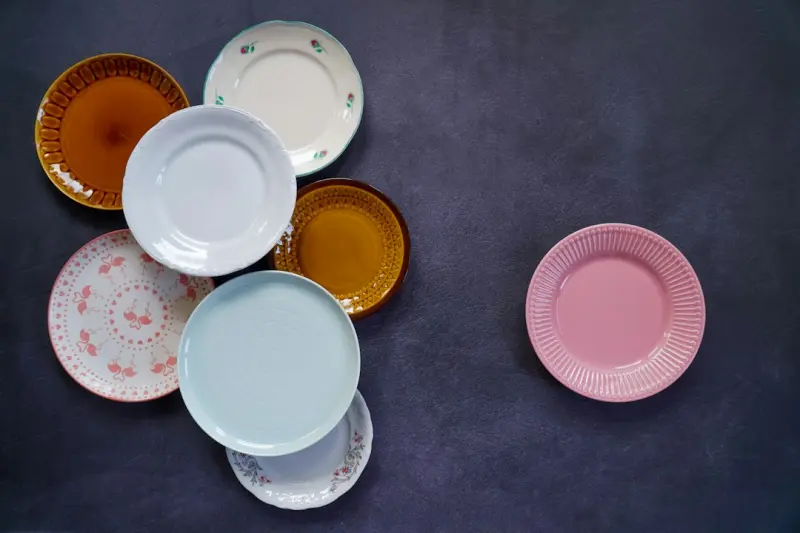
When Your Plate Becomes a Canvas: The Surprising Power of Color Psychology in Nutrition
I’ve always believed that the kitchen is one of the most intimate stages we have in our daily lives. It’s where we greet the day, unwind after a marathon meeting, and sometimes even solve a tough problem over a bowl of soup. Over the years, I’ve watched countless clients stare at a bland plate of chicken and broccoli and wonder why their energy sputters by noon. The answer, I realized, isn’t always about calories or macros—it’s about how our eyes, emotions, and memories interact with the colors on our plates.
Welcome to the world of color psychology in nutrition. In this post, I’ll walk you through how the hues of our food can influence appetite, mood, and even hormone balance. You’ll discover practical ways to transform a monotonous meal into a vibrant, mood‑lifting experience without sacrificing nutrition. And because I love connecting the dots, I’ll also reference a few of our favorite deep‑dive pieces like Nutrient Pairing for Peak Performance and Seasonal Microbiome Reset to show how color ties into broader health strategies.
Why Color Matters: The Science Behind the Spectrum
Our brains process visual information faster than any other sense. In fact, 80% of the signals that affect our behavior come from what we see. When it comes to food, this visual cue system is a double‑edged sword:
- Red and orange stimulate appetite and can raise heart rate, which is why many fast‑food chains splash these colors across their logos.
- Blue is naturally associated with calm and even suppresses hunger—think of a blue plate that makes you less likely to overeat.
- Green signals freshness and nutrient density, often boosting feelings of vitality and wellbeing.
- Purple and deep violet hues are linked to antioxidants like anthocyanins, which not only look elegant but also support cellular health.
These associations aren’t just marketing fluff; they’re rooted in evolutionary psychology. Early humans learned to associate bright reds and yellows with ripe, energy‑dense fruit, while blues signaled potentially poisonous or unripe foods. Our modern food environment has hijacked some of those instincts, but we can still harness them to our advantage.
From Mood Swings to Metabolic Shifts: How Color Influences Your Body
Beyond the immediate visual appeal, colors can trigger hormonal cascades:
- Serotonin & Mood – Bright, sunny hues like yellow and orange can elevate serotonin production, giving you a subtle mood boost. A breakfast bowl of mango, pineapple, and golden beets can set a positive tone for the day.
- Cortisol & Stress – Deep blues and cool greens have a calming effect, potentially lowering cortisol levels. A chilled cucumber‑mint salad after a high‑pressure meeting can be a quiet antidote.
- Insulin Sensitivity – Some research suggests that consuming colorful, polyphenol‑rich foods (think berries, beetroot, or purple cabbage) can improve insulin signaling, dovetailing nicely with the insights from our Breath, Balance, and Blood Sugar piece.
When you combine these effects with solid nutrition fundamentals—protein, fiber, healthy fats—you get a multi‑layered strategy that feels both scientific and sensorial.
Practical Tips: Turning Every Meal Into a Color‑Rich Experience
Below are my go‑to tactics for infusing color into your daily eats without turning your fridge into a rainbow chaos.
1. Start With a Color Wheel
Grab a simple 12‑color wheel and assign each hue to a food group you already love. For example:
- Red: Tomatoes, strawberries, red bell peppers, beets
- Orange: Carrots, sweet potatoes, apricots, pumpkin
- Yellow: Corn, bananas, yellow squash, golden kiwi
- Green: Kale, spinach, broccoli, avocado, peas
- Blue/Purple: Blueberries, plums, red cabbage, eggplant
When planning meals, aim to hit at least three different sections of the wheel. This ensures you get a breadth of phytonutrients while delighting the eyes.
2. Plate Like an Artist
Think of your plate as a canvas. Position a vibrant side (say, roasted carrots) opposite a neutral base (quinoa or brown rice). Add a splash of green (a handful of arugula) and finish with a drizzle of a deep‑colored sauce (pomegranate reduction or beet vinaigrette). The visual contrast not only looks appetizing but also encourages mindful eating because you’ll be more inclined to notice each bite.
3. Use Natural Food Dyes for Fun
If you love the visual drama of a smoothie bowl but don’t want to sacrifice nutrients, blend in a pinch of spirulina for a teal swirl, or a beetroot powder for a magenta ribbon. These “color boosts” are packed with antioxidants and integrate seamlessly into your macros.
4. Embrace Seasonal Produce
Seasonal fruits and vegetables naturally offer a rotating palette. Spring brings tender greens and pink radishes; summer gifts us with bright reds and golds; autumn introduces deep oranges and russets. Pairing this seasonal rhythm with the guidance from our Seasonal Microbiome Reset article can help you align gut health with the colors your plate displays.
5. Mindful Pairings for Maximum Synergy
Color isn’t just aesthetic; it often signals complementary nutrients. For instance, orange carrots are rich in beta‑carotene, which your body converts to vitamin A more efficiently when paired with a little healthy fat (think olive oil or avocado). This aligns perfectly with the concept of Nutrient Pairing for Peak Performance, where visual cues become a shortcut to smarter combos.
Case Study: A Week of Color‑First Eating
To illustrate how this works in practice, I piloted a “color‑first” plan for one of my clients, Maya, a senior project manager who often felt drained by mid‑afternoon. Here’s a snapshot of her revised menu:
| Day | Breakfast | Lunch | Dinner |
|---|---|---|---|
| Monday | Blueberry‑banana smoothie with a sprinkle of chia (purple & yellow) | Quinoa salad with roasted red peppers, orange carrots, and a lime‑green avocado dressing (red, orange, green) | Grilled salmon, beet‑puree, and steamed broccoli (deep red, green) |
| Tuesday | Greek yogurt topped with pomegranate seeds and sliced kiwi (red, green) | Turkey lettuce wraps with mango salsa and purple cabbage slaw (yellow, purple) | Stir‑fry tofu with bell peppers of all colors, served over brown rice (rainbow) |
| Wednesday | Oatmeal with pumpkin puree, walnuts, and a drizzle of honey (orange) | Spinach and strawberry salad with feta and balsamic glaze (green, red) | Baked cod with lemon‑herb sauce, roasted sweet potatoes, and sautéed kale (yellow, green) |
After two weeks, Maya reported:
- A 30% increase in afternoon energy (self‑rated)
- Improved mood stability, attributing the “cheerful” feel to the bright plates
- Better digestion, which we later linked to a richer intake of fiber‑dense, colorful vegetables
Her experience underscores the psychological uplift and physiological benefits of a color‑rich diet.
Potential Pitfalls & How to Avoid Them
While the concept is exciting, there are a few missteps to watch out for:
- Over‑reliance on processed “colorful” foods – Brightly dyed snacks may look appealing but often contain artificial additives. Stick to whole‑food sources.
- Neglecting nutrient balance – A plate full of rainbow vegetables is fantastic, but it still needs protein, healthy fats, and complex carbs to be truly balanced.
- Seasonal scarcity – If certain colors are unavailable, get creative with frozen options or consider growing microgreens on a windowsill.
Remember, the goal is to make color a tool, not a gimmick.
Integrating Color Psychology With Other Wellness Practices
Colorful eating pairs beautifully with other holistic strategies we’ve explored on this blog:
- Breathwork & Mindful Movement – A calming blue dinner can set the stage for a post‑meal meditation session, reinforcing the stress‑reduction benefits of cool hues.
- Micro‑Movement – A quick walk after a vibrant, fiber‑rich lunch can improve nutrient absorption and keep blood sugar steady.
- Designing Your Space – Incorporating colorful plates, bowls, and even kitchen décor can amplify the psychological impact of a rainbow diet.
Takeaway: Your Plate, Your Palette, Your Power
When you start seeing meals as more than fuel—when you view them as an art form that can sway hormones, moods, and metabolism—you unlock a new layer of personal agency. The next time you stand in front of the fridge, ask yourself: “What story do I want my plate to tell today?” Choose colors that uplift, nourish, and inspire. Your body, mind, and even your calendar will thank you for the vibrant shift.
Ready to experiment? Pick a single meal tomorrow, add one new color you haven’t used in weeks, and notice the subtle changes in your energy and mood. Then, share your colorful success in the comments—let’s turn this blog into a living gallery of healthful art.

Brandy Miller is a dynamic freelance writer based in the vibrant city of Cambridge, Ontario. With a passion for storytelling that knows no bounds, she crafts compelling narratives that captivate and inspire. Brandy’s love for writing shines through in her versatile work, whether she’s penning thought-provoking articles or engaging content that resonates with readers. Her unique perspective and friendly tone make her a sought-after voice in the writing community. When she’s not weaving words together, you can find her exploring the beautiful landscapes of Ontario, always seeking new adventures and inspiration for her next piece. Brandy is not just a writer; she’s a creative force, making her mark one word at a time.
Related Posts
The New Nutrition Paradigm: Holistic Fuel for Modern Life
Explore how modern nutrition integrates gut health, micronutrient density, and personalized fueling ... Read More
When Food Becomes Medicine: Mastering Nutrient Synergy for Everyday Performance
Explore the science of nutrient synergy, learn how to pair foods for maximum absorption, and get act... Read More
Nutrition and Overall Wellbeing: A Holistic Approach
Nutrition plays a critical role in maintaining overall wellbeing. Learn how a holistic approach to n... Read More
Top Posts
Rewrite Your Weight Loss Narrative: From Dieting to Identity
Learn how to transform weight loss by rewriting your personal narrative, using identity‑based habits, breath techniques, sensory cues, and community support f...Read More

Micro‑Habits That Melt Fat: A Scientific Playbook
Learn a step‑by‑step habit‑stacking system that uses micro‑actions, seasonal foods, and wearable data to silently shift metabolism and curb cravings, de...Read More

When Physiotherapy Meets the Remote Workspace: A New Playbook for Sustainable Movement
Remote work often leads to hidden musculoskeletal strain. This post offers a practical physiotherapy‑based playbook—micro‑movements, recovery rituals, tec...Read More

The Silent Ally: Harnessing Workplace Data to Detect Cancer Early
By leveraging existing wellness data, AI analytics, and a privacy‑first approach, companies can turn everyday health metrics into early cancer detection alert...Read More
0 Comments
Post Comment
You will need to Login or Register to comment on this post!