
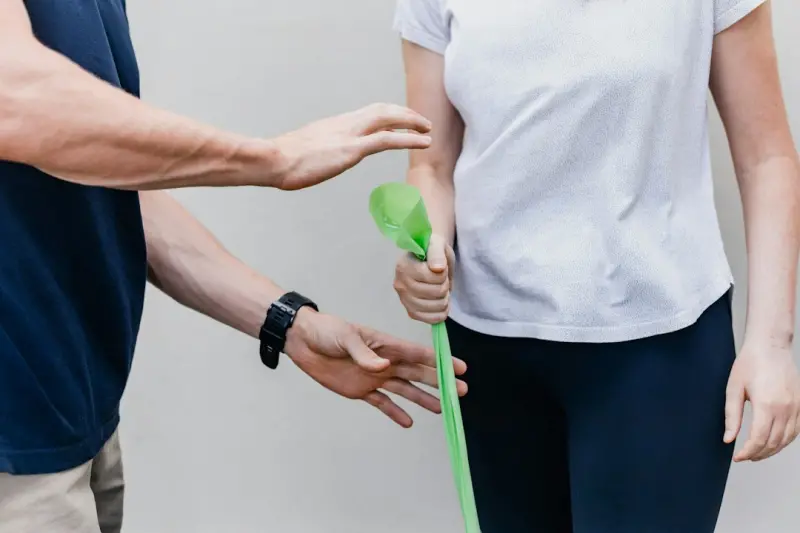
Reclaiming Motion in the Hybrid Era: A Physiotherapist’s Playbook for Office Wellness
When I first set up my private practice, the clinic’s waiting room smelled of fresh eucalyptus and the walls were lined with posters of anatomical diagrams. Fast forward to the present, and my “office” is a corner of my living room, the sound of a laptop fan humming in the background. The shift from brick‑and‑mortar to a hybrid work model has been exhilarating—but it has also brought a silent epidemic: the steady erosion of movement in our daily lives.
Physiotherapy has always been about restoring function. Yet, in the age of video calls, standing desks, and endless scrolling, the definition of “function” is expanding. It now includes the ability to stay focused during a three‑hour Zoom marathon, to type without a creeping ache in the forearms, and to stand up from a chair without a moment’s hesitation. This article is my personal roadmap, drawn from years of treating athletes, seniors, and now, remote workers, to help you embed therapeutic movement into the hybrid workflow.
The Hidden Cost of “Sit‑Smart” Culture
Many companies proudly showcase ergonomic chairs, standing desks, and “move‑break” reminders. While these are steps in the right direction, they often remain reactive rather than proactive. A standing desk, for example, can shift the problem from low back pain to shoulder tension if not paired with a comprehensive movement strategy. The real hidden cost is not just physical discomfort—it’s reduced cognitive performance, lower morale, and a subtle rise in chronic musculoskeletal disorders that can sideline a workforce for years.
From a physiotherapist’s perspective, the body is a kinetic chain. When one link is compromised, stress ripples throughout the system. The typical office set‑up—head down, shoulders hunched, wrists pronated—creates a cascade of maladaptive patterns that, over time, can manifest as:
- Upper cross‑syndrome (tight chest, weak upper back)
- Thoracic kyphosis (rounded upper back)
- Carpal tunnel symptoms
- Hip flexor shortening leading to lower back strain
These issues are not isolated; they interact with mental fatigue, stress hormones, and even sleep quality. The solution, therefore, must be multidimensional.
Designing a “Movement‑First” Hybrid Routine
Below is a six‑step framework that integrates physiotherapy principles into the hybrid workday. Think of it as a “daily prescription” that you can tailor to your role, space, and personal goals.
1. Micro‑Assessment – Know Your Baseline
Before you can prescribe any movement, you need data. A quick self‑assessment can be done in five minutes:
- Posture scan: Stand with your back against a wall; note any gaps between the head, shoulder blades, and heels.
- Range of motion check: Raise your arms overhead, then lower them. Can you touch the wall without arching your lower back?
- Grip strength test: Squeeze a stress ball for ten seconds; notice any tremor or pain.
Document these observations in a notebook or a simple spreadsheet. Over weeks, you’ll see trends that inform which areas need the most attention.
2. Micro‑Movements, Big Impact
Just as micro‑movement strategies can calm systemic inflammation, targeted micro‑movements in the office can reset faulty motor patterns without disrupting workflow. Here are three office‑friendly clusters:
- Thoracic Mobilizers: Sit tall, clasp hands behind your head, and gently arch backward for five seconds. Repeat 8–10 times.
- Neck Decompressors: While on a call, slowly lower your chin to your chest, hold 3 seconds, then lift your head back to neutral. Perform 5 cycles.
- Hip Flexor Openers: Stand, place one foot behind you, bend the front knee while keeping the back leg straight. Hold 15 seconds, switch sides.
These movements take less than a minute each and can be slotted into natural break points—between meetings, after a long email chain, or before a lunch break.
3. Integrate Technology Wisely
The rise of AI‑driven physiotherapy platforms has made it possible to receive real‑time feedback on posture and movement quality. Wearable sensors placed on the upper back or wrist can alert you when you slouch or when your typing speed spikes, prompting a micro‑break. While tech is an aid, the core principle remains the same: use data to create intentional movement.
4. Build a “Movement Library” for Your Team
Instead of generic “stretch once an hour” emails, curate a library of 5‑minute video modules that address the most common office complaints. Each module should include:
- A brief anatomy primer (why this movement matters)
- Demonstration of the movement with modifications
- Guided breathing cues to enhance neuromuscular control
Encourage employees to pick a module that resonates with their current discomfort. Over time, the library becomes a self‑service hub, reducing reliance on one‑off physiotherapy appointments.
5. Embrace the “Active Meeting” Concept
Meetings don’t have to be sedentary affairs. Propose standing or walking meetings for sessions under 30 minutes. The act of walking stimulates blood flow, engages the core, and promotes creative thinking. For remote teams, a “virtual walking hallway” can be organized via video call—participants walk in their own spaces while discussing agenda items.
6. Continuous Education & Feedback Loop
Just as we track blood glucose trends in the Personal Blood‑Sugar Command Center, establishing a feedback loop for movement is crucial. Quarterly check‑ins, either individually or as a team, can surface new pain patterns, celebrate progress, and adjust the movement library accordingly.
Case Study: From Desk‑Bound Fatigue to Functional Freedom
Two months ago, a mid‑size tech firm approached me with a concerning statistic: 68% of their developers reported “persistent lower back soreness” after a month of hybrid work. We implemented the six‑step framework, focusing on daily micro‑assessments and a custom movement library. After 12 weeks:
- Self‑reported pain levels dropped by 45% (measured via a simple Likert scale).
- Productivity metrics—measured by completed story points per sprint—increased by 12%.
- Employee turnover intent decreased, with 80% stating they felt “more supported” in their physical health.
This transformation illustrates that physiotherapy isn’t a “nice‑to‑have” perk; it’s a strategic asset that safeguards human capital.
Future Directions: Merging Rehabilitation Science with Remote Work Design
Looking ahead, the convergence of biomechanics, wearable tech, and data analytics will enable hyper‑personalized movement prescriptions. Imagine a platform that detects a dip in your typing velocity, correlates it with a slight forward head posture, and automatically schedules a 2‑minute thoracic mobilizer video during your next break. Such integration will shift physiotherapy from a reactive clinic‑based model to an embedded, proactive element of daily work life.
For now, the most powerful tool remains simple: awareness, intention, and consistency. By embedding therapeutic movement into the fabric of hybrid work, we can transform the “office chair” from a symbol of static strain to a launchpad for dynamic health.

Lifan Chen is a freelancer based in Toronto specializing in marketing. With expertise in crafting effective marketing strategies and campaigns, Lifan helps businesses grow their brand presence and reach target audiences. As a Toronto-based freelancer, Lifan combines local market insights with creative marketing skills to deliver tailored solutions for clients.
Related Posts
When Movement Becomes a Narrative: Reframing Physiotherapy for Modern Lives
Physiotherapy isn’t just stretches and exercises; it’s a story. By integrating narrative techniq... Read More

Why Community Rhythm Beats Solo Sessions in Physiotherapy
Explore the transformative power of community physiotherapy, where shared movement, peer support, an... Read More
The Intersection of Physiotherapy and Mental Health: A Holistic Approach
As a physiotherapist, I've seen firsthand the impact of mental health on physical function. Learn ho... Read More
Top Posts

The Hidden Economics and Environmental Impact of Smoking and Vaping
A deep dive into the hidden financial and environmental expenses of nicotine habits, offering practical steps to save money, cut waste, and make greener, health...Read More

Muscle Gain From My Lens: A Holistic Blueprint for Sustainable Strength
Kelly Reynolds shares a holistic, sustainable muscle‑gain strategy that blends smart nutrition, progressive training, recovery, and mental resilience for last...Read More

When the Night's Partner Snore: Navigating Sleep Apnea in Relationships
Sleep apnea doesn’t just affect the person breathing irregularly; it ripples through the relationship, disrupting both partners' sleep and emotional connectio...Read More

When Cancer Meets Curiosity: Designing Resilience Beyond Treatment
A cancer diagnosis can become a catalyst for redesigning daily life. This article reveals how curiosity, micro‑rituals, narrative play, and personalized hydra...Read More
0 Comments
Post Comment
You will need to Login or Register to comment on this post!