

Imagine walking into your office, tapping a single screen, and instantly seeing a live snapshot of the metabolic forces that have been shaping your performance all day. No guesswork, no delayed lab results—just clear, actionable insight that lets you tweak meals, move smarter, and stay focused. This is the promise of a personal blood‑sugar command center, and it’s finally within reach for anyone willing to marry a bit of technology with a disciplined habit loop.
Why Real‑Time Data Beats Traditional Tracking
For decades the gold standard in glucose management has been periodic finger‑stick checks or occasional lab draws. Those methods give you a static picture—a single data point that tells you where you were, not where you’re heading. In the same way a weather forecast based on yesterday’s temperature leaves you unprepared for a sudden storm, static glucose readings leave you blindsided by spikes or dips that can sap energy, cloud cognition, and, over time, erode health.
Real‑time monitoring flips that script. Continuous Glucose Monitors (CGMs) stream a data point every few minutes, painting a dynamic map of how food, stress, movement, and even ambient temperature affect your blood sugar. When you layer that stream with contextual data—sleep quality, heart‑rate variability, and activity levels—you get a multidimensional view that reveals patterns invisible to the naked eye.
Building the Command Center: Core Components
Creating a functional command center doesn’t require a PhD in data science. It’s a three‑step assembly line:
- Sensing Layer: Choose a reliable CGM. Look for FDA‑cleared devices with proven accuracy and a comfortable wear profile. Many modern sensors now last up to two weeks, eliminating the hassle of daily replacements.
- Integration Hub: Connect your sensor to a platform that aggregates data from your phone, smartwatch, and any other wearables you already own. Platforms that support open APIs let you pull in sleep scores, stress markers, and even calendar events.
- Decision Engine: This is where the magic happens. Simple rule‑based alerts (e.g., “Notify me if glucose > 180 mg/dL for more than 15 minutes”) are useful, but the real power comes from AI‑driven insights that learn your unique response curves over time.
Most users start with the native app that comes with the CGM, but as your data set grows, consider migrating to a more flexible health‑data dashboard that lets you build custom visualizations. The goal is a single pane of glass where glucose trends sit side‑by‑side with sleep depth, stress spikes, and even nutritional macros.
Interpreting the Signals: From Noise to Narrative
When you first glance at a 24‑hour glucose graph, the lines can look like a chaotic scribble. The key is to translate that scribble into a story:
- Identify Baseline Zones: Most healthy adults hover between 70‑130 mg/dL. Mark your personal “sweet spot” and note how often you drift outside of it.
- Spot Recurring Triggers: Do you see a post‑lunch rise that lingers? Is a mid‑afternoon slump coinciding with a meeting? Tag those events in the dashboard to create a trigger‑response map.
- Measure Recovery Speed: Not all spikes are created equal. A rapid return to baseline (within 30‑45 minutes) indicates good insulin sensitivity, whereas prolonged elevation suggests a metabolic bottleneck.
By converting raw numbers into these three narrative pillars, you can begin to make precise, low‑effort adjustments rather than sweeping diet overhauls.
Actionable Micro‑Adjustments: The Real‑World Playbook
Once you’ve decoded your pattern, the next step is to act—quickly and deliberately. Here are five micro‑adjustments you can deploy in real time, each requiring less than a minute of your day:
- Fiber Boost: If your glucose is climbing after a carb‑heavy lunch, a quick handful of nuts or a sprinkle of chia seeds can slow absorption.
- Targeted Mobility: A 3‑minute brisk walk or a set of dynamic stretches after a prolonged sitting session can trigger muscle glucose uptake without the fatigue of a full workout.
- Breath Reset: A 60‑second box breathing sequence (inhale 4, hold 4, exhale 4, hold 4) can blunt stress‑induced cortisol spikes that otherwise push glucose higher.
- Hydration Cue: A glass of water with a pinch of sea salt can improve cellular hydration, aiding insulin signaling.
- Meal Timing Tweak: If you notice a dip around 3 p.m., shift a small protein snack (Greek yogurt, cheese stick) into that window to stabilize levels.
These interventions are intentionally tiny—designed to be painless, repeatable, and integrated into the flow of a typical workday.
Leveraging AI Assistants for Predictive Guidance
Human intuition is powerful, but it’s also subject to bias. That’s why many forward‑thinking health enthusiasts are adding an AI‑driven health coaching layer to their command center. Modern algorithms can:
- Predict a glucose rise 30‑45 minutes before it happens based on upcoming calendar events (e.g., a client lunch) and suggest a pre‑emptive snack.
- Recommend optimal workout windows by cross‑referencing heart‑rate variability with glucose trends.
- Adjust insulin dosing recommendations for those on medication, using a closed‑loop approach that learns from each day's outcomes.
The beauty of AI is that it becomes more accurate the more data you feed it. Over weeks, the system learns that you tend to react strongly to coffee after 10 a.m., and it will automatically suggest a water‑only break instead.
Gut Microbiome: The Unsung Player in Glucose Control
While sensors and algorithms get most of the spotlight, the microbes living in your gut are quietly orchestrating how you process carbs. A balanced microbial community can improve insulin sensitivity, reduce inflammation, and even modulate appetite hormones. If you’re serious about mastering blood sugar, consider adding a gut‑health audit to your command center workflow. Track fiber intake, probiotic supplementation, and occasional stool‑sample insights to see how shifts in your microbiome correlate with glucose stability. For a deeper dive on this hidden ally, see Gut Microbial Mastery.
Case Study: From Reactive to Proactive Management
Meet Maya, a 38‑year‑old project manager who struggled with afternoon crashes that jeopardized client presentations. She started with a basic CGM and the native app, but within a month she upgraded to a unified dashboard that pulled in her smartwatch sleep score, calendar, and stress metrics. Here’s how her command center transformed her day:
- Trigger Identification: Maya noticed a consistent glucose dip at 2 p.m., coinciding with her weekly budget meeting.
- Predictive Alert: The AI flagged upcoming meetings and prompted her to consume a protein‑rich snack at 1:45 p.m.
- Micro‑Movement Integration: A 4‑minute standing stretch during the meeting kept her muscles active, facilitating glucose uptake.
- Outcome: Over six weeks, her average afternoon glucose range tightened from 95‑165 mg/dL to 98‑125 mg/dL, and she reported a 30 % increase in perceived energy.
Maya’s story illustrates that the command center isn’t just a data dump—it’s a decision‑support system that translates numbers into habits.
Embedding the Command Center Into Your Work Life
Many professionals fear that continuous monitoring will become a distraction. The key is to automate the feedback loop:
- Quiet Notifications: Set alerts to vibrate only, avoiding visual pop‑ups that break concentration.
- Scheduled Review Sessions: Allocate a 10‑minute window each evening to review trends, not every hour.
- Team Transparency (Optional): For organizations that prioritize wellness, sharing anonymized glucose stability metrics can foster a culture of health‑focused productivity.
When the system works in the background, you gain the benefits of insight without the cognitive load of constant monitoring.
Future Horizons: What’s Next for Personal Glucose Command Centers?
The landscape is evolving fast. Upcoming innovations include:
- Non‑Invasive Sensors: Optical and electromagnetic technologies promise accurate readings without skin penetration.
- Integrated Nutrient Scanners: Devices that analyze meals in real time and feed carb‑type data directly into your dashboard.
- Fully Closed‑Loop Systems: For those on insulin, future platforms may auto‑adjust dosing with minimal user input, using AI to predict needs days in advance.
Even before these breakthroughs land, the foundation you build today—data collection, integration, and habit formation—will position you to reap the benefits as soon as they become available.
Conclusion: Own Your Metabolic Narrative
Managing blood sugar isn’t about rigid diets or endless calorie counting. It’s about cultivating a feedback‑rich environment where you can see the immediate impact of choices and adjust with surgical precision. By constructing a personal blood‑sugar command center, you turn raw data into a living narrative, empowering yourself to make micro‑adjustments that compound into lasting health gains. The tools are here, the knowledge is accessible, and the only missing piece is your commitment to step into the cockpit.

Craig Brett is a freelancer with a passion for the outdoors. His love for nature inspires his work, bringing authentic and engaging perspectives to projects related to outdoor activities, adventure, and environmental topics.
Related Posts

From Data to Daily Wins: A Tech‑Savvy Path to Stable Blood Sugar
Learn how continuous glucose monitors, smart apps, stress‑busting breathwork, and micro‑movement... Read More
Micro‑Movements and Timing: A Fresh Playbook for Stable Blood Sugar
Explore a new approach to blood sugar management that combines short, intentional movements, consist... Read More
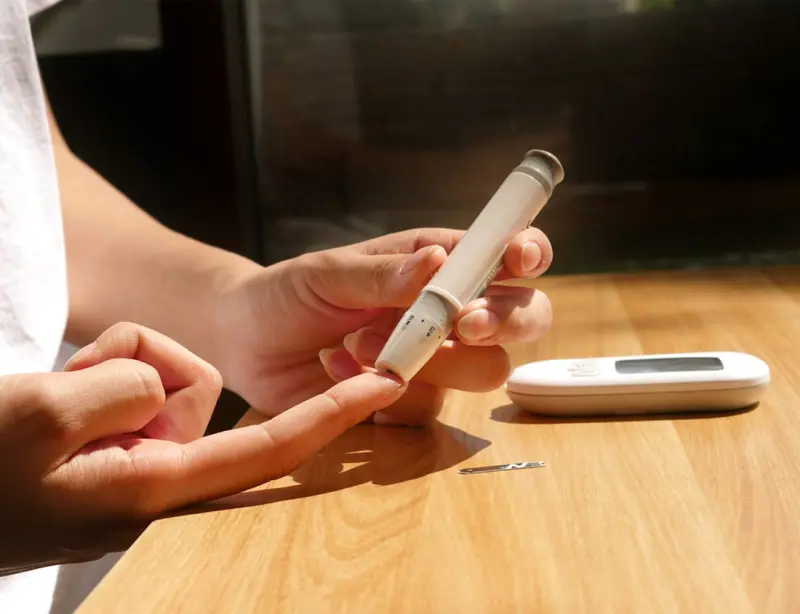
Chrono‑Nutrition: Syncing Meal Times to Stabilize Blood Sugar
Discover the power of chrono‑nutrition—aligning meal timing with your circadian rhythm—to keep... Read More
Top Posts
Unplug to Recharge: Why Digital Boundaries Are the New Health Prescription
This post explores how constant connectivity stresses the body and mind, and offers practical strategies—like notification audits, screen‑free zones, and al...Read More

The Power of Holistic Health: A Comprehensive Approach to Wellbeing
Holistic health is a comprehensive approach to wellbeing that considers the whole person - body, mind, and spirit. Learn how to prioritize nutrition, manage str...Read More

Unlocking True Muscle Growth: A Science‑Backed Playbook
A fresh, science‑backed roadmap to muscle growth that goes beyond protein, leveraging neural activation, periodized overload, and digital tools for consistent...Read More

When the Night’s Silent Alarm Goes Off: Rethinking Sleep Apnea as a Data‑Driven Design Challenge
A data‑driven, design‑thinking approach to sleep apnea transforms nightly interruptions into actionable insights, empowering personal health, tech integrati...Read More
0 Comments
Post Comment
You will need to Login or Register to comment on this post!