
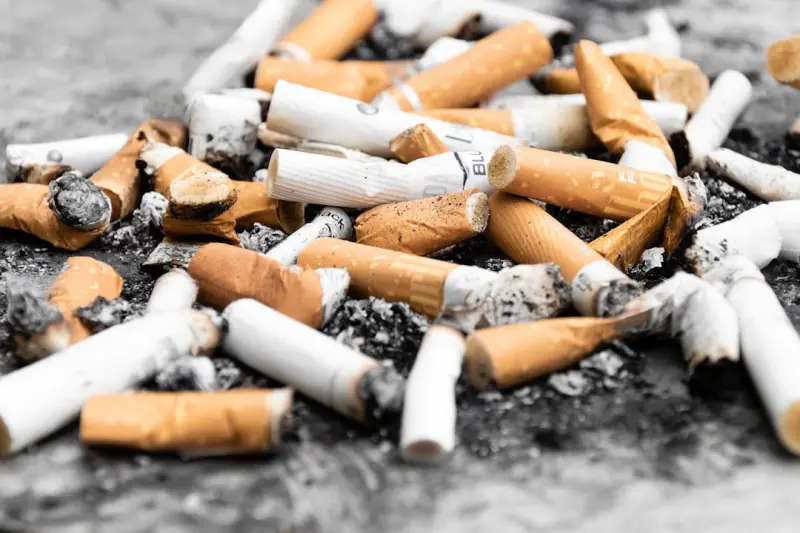
In the sea of wellness content, the conversation around smoking and vaping often gets stuck on binary judgments: it’s either a deadly habit or a harmless trend. That dichotomy, while convenient, obscures the nuanced realities that affect both our bank accounts and the planet we share. Let’s step beyond the usual health‑centric narrative and explore the hidden economics and environmental footprints of nicotine consumption. By unpacking the true cost of cigarettes, e‑cigarettes, and nicotine‑free alternatives, you’ll gain a clearer picture of what your choices mean for your wallet, your community, and the climate.
The Real Price Tag on Cigarettes
Most of us are familiar with the price you see on the shelf, but the actual expense of smoking stretches far beyond that number. A pack of cigarettes might cost $6 to $12, depending on local taxes, but the long‑term financial impact multiplies dramatically when you consider the following hidden costs:
- Healthcare premiums: Smokers typically pay higher health insurance rates because they are more likely to develop chronic conditions.
- Lost productivity: Time off work for smoking breaks and illness translates into lower earnings.
- Opportunity cost: Money spent on cigarettes could be invested, saved, or used for experiences that enhance quality of life.
According to a recent analysis by the American Lung Association, a pack‑a‑day smoker spends roughly $2,500 per year on cigarettes alone. Over a decade, that adds up to $25,000—a sum that could fund a down payment on a home or a college education.
Vaping: The New Cost Frontier
Vaping devices initially present themselves as a cheaper alternative, but the economics become less straightforward once you factor in the recurring purchases of e‑liquids, coils, and occasional device upgrades. A starter kit might run $30 to $60, but the ongoing cost of e‑juice—averaging $15 to $25 per bottle—can quickly eclipse the price of a pack of cigarettes if you vape daily.
Beyond the obvious expense of the liquid, many vapers invest in premium devices that promise longer battery life and better flavor delivery. These can range from $50 for a basic mod to upwards of $200 for a high‑end, customizable unit. When you add the cost of replacement coils (typically $5 to $10 each) and the inevitable need for new batteries, the annual outlay can rival or exceed traditional smoking.
It’s also worth noting that the predictive analytics used in health studies often reveal that vapers, especially those who switch from smoking, still face elevated health risks that could translate into higher medical expenses down the line.
Nicotine‑Free Alternatives: An Economic Sweet Spot?
For those seeking to break free from nicotine altogether, alternatives like herbal cigarettes, nicotine‑free vape liquids, and nicotine replacement therapies (NRTs) such as patches or gum present a different financial landscape. While the initial cost of NRTs can be higher—$30 to $70 for a month’s supply—these products eliminate the recurring purchase of tobacco or e‑liquid, potentially lowering long‑term costs.
Herbal cigarettes, often marketed as “natural,” tend to be priced similarly to premium tobacco cigarettes, but they lack the addictive nicotine component, making it easier to taper usage. Meanwhile, nicotine‑free e‑liquids can be produced at home using basic ingredients, dramatically reducing ongoing expenses if you’re willing to experiment.
Environmental Externalities: Smoke, Vapor, and Waste
Beyond the direct financial impact, smoking and vaping impose significant environmental costs that rarely make it into the personal budgeting conversation. Consider these three major sources of ecological harm:
- Tobacco farming: The cultivation of tobacco is water‑intensive, depleting precious resources in regions already facing scarcity.
- Cigarette butt litter: An estimated 4.5 trillion cigarette filters are discarded each year, contributing to plastic pollution in oceans and waterways.
- E‑cigarette waste: Disposable pods and batteries generate electronic waste, often ending up in landfills where they leach harmful chemicals.
When you factor in the cost of cleanup, water treatment, and the broader impact on biodiversity, the true price of nicotine consumption skyrockets—though it’s seldom reflected on a receipt.
Calculating Your Personal Carbon Footprint
One practical way to internalize these hidden costs is to calculate the carbon footprint associated with your nicotine habit. A single cigarette emits approximately 0.5 grams of CO₂ during combustion, while the production and distribution of a typical e‑cigarette device generate roughly 0.7 kilograms of CO₂ over its lifecycle. Multiply those figures by your daily usage, and you’ll see a startling contribution to your personal emissions.
For example, a 10‑year‑long smoking habit at one pack per day results in roughly 1,825 kilograms of CO₂—equivalent to driving a gasoline‑powered car for about 4,500 miles. Switching to vaping might reduce the per‑unit emissions, but the added electronic waste can offset those gains unless you choose rechargeable, recyclable devices.
Policy, Taxes, and Incentives: Shaping Choices
Governments worldwide have begun to recognize these hidden costs, implementing policies that aim to nudge consumers toward healthier and more sustainable choices. Taxation on cigarettes and vaping products varies dramatically, but higher taxes have consistently shown a reduction in consumption. Some jurisdictions offer rebates or tax credits for quitting, while others subsidize nicotine‑free cessation aids.
When evaluating a switch from smoking to vaping—or from vaping to nicotine‑free alternatives—consider the local tax landscape. In regions where vape taxes approach or exceed cigarette taxes, the financial incentive to stay with traditional cigarettes may persist, undermining public health goals.
Strategic Financial Planning for Quitting
Understanding the true cost of nicotine consumption empowers you to make a strategic decision about quitting. Here’s a practical roadmap you can adapt:
- Track every expense: For one month, log every purchase related to smoking or vaping, including accessories, maintenance, and healthcare co‑pays.
- Calculate opportunity cost: Use a simple spreadsheet to project how much that money could grow if invested at a modest 5% annual return.
- Set a financial target: Decide on a realistic savings goal—perhaps the cost of a vacation, a new gadget, or a home renovation—motivating you to quit.
- Explore incentives: Research local quit‑smoking programs, insurance discounts, or employer‑sponsored wellness bonuses that can offset initial cessation costs.
- Choose a low‑impact alternative: If you need a transitional product, prioritize nicotine‑free, recyclable devices, or home‑made e‑liquids to minimize waste.
By turning your quit‑plan into a financial strategy, you shift the focus from sacrifice to reward, making the journey more tangible and motivating.
Community Impact: The Ripple Effect
When you reduce or eliminate nicotine consumption, the benefits extend beyond your personal finances and health. A single individual’s decision can influence peers, family members, and coworkers, creating a ripple effect that amplifies both economic and environmental gains. Studies have shown that workplaces with robust smoke‑free policies experience lower healthcare costs and higher productivity—benefits that are often reflected in the bottom line.
Moreover, reducing cigarette butt litter and e‑cigarette waste improves community aesthetics and reduces clean‑up expenses for local governments, freeing up public funds for other projects like parks, libraries, and renewable energy initiatives.
Technology’s Role in Transparency
Emerging tech platforms are beginning to provide users with detailed analytics on their nicotine habits. Mobile apps can now track puff counts, expenditure, and even estimate carbon emissions in real time. This data empowers individuals to make informed choices and share their progress with supportive communities.
One notable example is a new open‑source project that integrates with popular vape devices, offering users a dashboard that visualizes both monetary savings and environmental impact when they reduce usage. By making the hidden costs visible, technology nudges behavior toward healthier, greener outcomes.
Conclusion: Redefining Value Beyond the Pack
Smoking and vaping are often framed purely as health concerns, but the full picture includes a complex web of financial, environmental, and social costs. By dissecting these layers, you gain a clearer sense of the true value of your nicotine choices. Whether you’re a lifelong smoker, a casual vaper, or someone contemplating a nicotine‑free future, the data is there to guide you toward a decision that benefits your wallet, your community, and the planet.
Take the time to audit your habits, explore sustainable alternatives, and leverage the tools and incentives available to you. The payoff isn’t just a lighter breath—it’s a heavier bank account, a cleaner environment, and a legacy of mindful consumption for the next generation.

Related Posts

Nicotine’s Double‑Edged Sword: Boosting Focus Without Burning Out
A deep dive into nicotine’s cognitive effects, weighing its productivity benefits against health r... Read More

Beyond the Cloud: Redefining Vaping as a Mindful Habit Design Tool
Discover how to transform vaping from a subconscious habit into a purposeful, data‑driven practice... Read More

From Smoke to Clouds: A Mindful Vaping Journey
I share my personal roadmap from daily cigarettes to a satisfying vape ritual, blending habit design... Read More
Top Posts

Holistic Health Insurance: Sarah Gray’s Guide to Choosing Coverage That Supports Your Whole‑Self
Sarah Gray reveals how to select health insurance that honors your holistic lifestyle, covering essential therapies, preventive care, and cost‑saving strategi...Read More

When the Night Falls Silent: Reclaiming Energy After a Sleep Apnea Diagnosis
Sleep apnea’s effects extend far beyond the bedroom, influencing intimacy, creativity, and daily energy. This guide offers relational insights, breathwork tip...Read More

Tiny Habit Stacking: A Sustainable Path to Weight Loss
Learn to transform weight loss into a series of tiny, sustainable wins by reshaping habits, environment, and mindset for lasting results....Read More

The Quiet Power of Rhythm: Syncing Your Body Clock to Stabilize Blood Sugar
Learn to manage blood sugar by syncing meals, movement, and breathwork with your body’s natural clock, using wearable data and simple daily rituals for lastin...Read More
0 Comments
Post Comment
You will need to Login or Register to comment on this post!