
When Cancer Meets Curiosity: Designing Resilience Beyond Treatment
There’s a peculiar paradox at the heart of every cancer story: the same diagnosis that forces us into a medical maze also opens a portal to a hidden laboratory of the self. I’ve watched friends, strangers, and even my own family members stumble into this space, clutching a clipboard of appointments while simultaneously inventing new rituals to stay afloat. The moment we let curiosity slip past the fear, we begin to treat cancer not only as an adversary but as a catalyst for redesigning the everyday architecture of our lives.
The Invisible Curriculum of a Cancer Journey
Think of a cancer diagnosis as an unexpected syllabus—one that drops a crash course on vulnerability, decision‑making, and the elasticity of hope. The curriculum isn’t written by oncologists; it’s drafted in kitchen countertops, hallway chats, and the quiet hum of a bedside lamp. Each lesson is an invitation to ask “What if…?” rather than “What now?”
- What if I could turn a chemo infusion into a micro‑creative sprint? Some patients pull out sketchpads, turning the sterile drip line into a runway for doodles.
- What if I could translate lab results into a personal soundtrack? Numbers become beats, and blood counts sync with playlists that boost morale.
- What if the side‑effects could be reframed as data points for a new habit loop? Nausea might trigger a short meditation, while fatigue can become a cue for a power‑nap ritual.
These “what‑ifs” are not whimsical distractions; they are survival hacks that convert passive suffering into active problem‑solving. When you ask the right questions, the cancer experience morphs from a static burden into a dynamic experiment.
Curiosity‑Driven Micro‑Rituals: The Quiet Engines of Resilience
Micro‑rituals are the tiny, repeatable actions that stitch meaning into the days that feel endless. Unlike the grand, headline‑making habits of fitness or diet, these rituals thrive on subtlety. A five‑minute breathwork session before a radiation appointment, a daily gratitude note slipped into a medication box, or a brief “scent check” where you light a favorite essential oil after a draining clinic visit—all these tiny practices reinforce a sense of agency.
Research on habit formation shows that the brain’s reward pathways light up when a behavior is consistently paired with a positive cue. By embedding curiosity‑driven micro‑rituals into the cancer routine, you effectively rewire the emotional response to treatment: from dread to anticipation.
Community as a Laboratory: Co‑Creating Solutions
When I first attended a local support circle, I expected a somber exchange of statistics. Instead, I found a bustling think‑tank. Participants swapped recipes for bone‑broth that tasted like comfort, brainstormed ways to make hospital gowns more breathable, and even drafted a community‑sourced map of “quiet corners” in the oncology wing where meditation could thrive.
This collaborative vibe is the antidote to isolation. By treating the community as a shared laboratory, we collectively iterate on solutions that no single clinician could prescribe. It also creates a feedback loop: each success story fuels the next hypothesis, and the whole group moves forward together.
Harnessing Narrative Play to Redefine the Story
Storytelling isn’t just for campfires; it’s a powerful therapeutic tool that lets us reauthor the script of illness. When we frame our experience as a story with characters, obstacles, and plot twists, we reclaim the author’s seat. One technique that has gained traction is narrative play therapy, where patients craft short, imaginative scenes that place them in control of the outcome.
Imagine a patient writing a scene where their immune cells are elite detectives solving a mystery, rather than passive victims of a disease. The act of scripting these scenarios not only reduces anxiety but also strengthens the mental muscles needed for decision‑making during treatment planning.
Personalized Hydration: A Small Yet Mighty Ally
Hydration often sits on the backburner of cancer care, yet it’s a cornerstone of cellular health. The modern approach to fluid intake has evolved from “drink eight glasses a day” to personalized hydration strategies that adjust to therapy cycles, weather, and even emotional states. By tracking urine color, thirst cues, and electrolyte balance, patients can fine‑tune their fluid regimen to mitigate side‑effects like dry mouth or dizziness.
Technology plays a quiet role here: wearable sensors now whisper real‑time recommendations, turning a mundane act into a data‑driven ritual. The result? Better tolerance of chemotherapy, smoother skin recovery, and a subtle boost in overall wellbeing.
Rethinking the Physical Space: From Hospital to Haven
Most of us think of hospital rooms as sterile, impersonal zones. Yet small environmental tweaks can dramatically shift the emotional temperature. Simple changes—soft lighting, a favorite piece of artwork, a portable plant—can transform the space into a semi‑personal sanctuary.
One patient group experimented with a “color‑code” system where each treatment day was associated with a specific hue of clothing or décor. The visual cue acted as a psychological anchor, helping participants distinguish between treatment days and rest days, reducing the mental fatigue that often blurs the calendar.
From Data to Intuition: The Role of Self‑Tracking
In an era where every step can be logged, self‑tracking becomes a double‑edged sword. Too much data can feel overwhelming, but when filtered through intuition, it becomes a compass. Patients who chart symptom trends alongside mood ratings often spot patterns that clinicians might miss: a certain food reducing nausea, a specific playlist easing anxiety before scans, or a particular time of day improving energy levels.
The key is to keep the dashboard lean—focus on three or four metrics that matter most to you. This simplicity preserves the sense of mastery without drowning you in numbers.
Embracing Play as a Healing Modality
Play isn’t just for kids. In the context of cancer, play becomes a subversive act of defiance against the narrative of helplessness. Whether it’s turning a hospital hallway into a mini‑obstacle course for a child or using a deck of cards to create a “fortune‑telling” game that predicts treatment milestones, play injects spontaneity into a regimented world.
Scientific studies suggest that playful engagement stimulates dopamine pathways, which can improve pain tolerance and mood. More importantly, it reaffirms the body’s capacity for joy, even when the immune system is busy fighting.
Building a Resilience Toolkit for the Long Haul
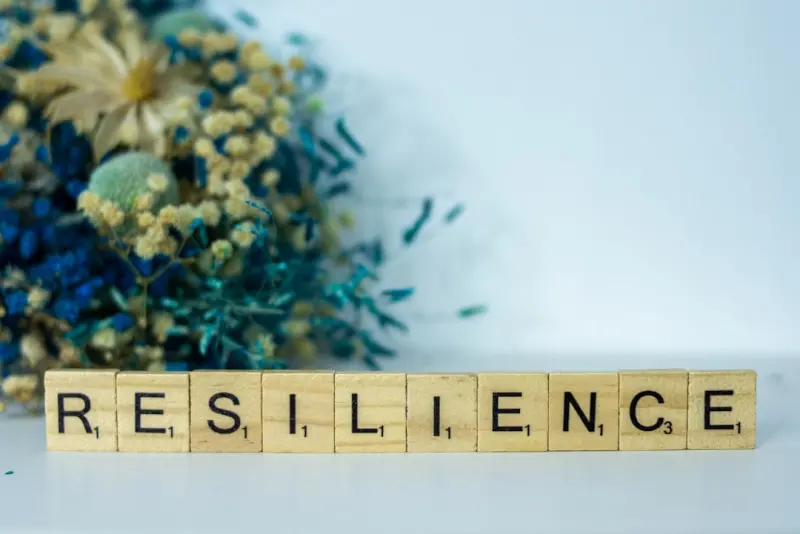
Resilience isn’t a static trait; it’s a toolbox you assemble over time. Here’s a starter kit distilled from conversations with patients, clinicians, and researchers:
- Curiosity Journal: A pocket‑size notebook for “what‑if” questions, observations, and tiny experiments.
- Micro‑Ritual Calendar: A visual tracker for daily breathwork, gratitude notes, or scent checks.
- Community Map: A shared document of local resources—quiet rooms, supportive cafés, and volunteer groups.
- Hydration Dashboard: A simple app or spreadsheet that logs fluid intake, color, and any symptoms.
- Storytelling Prompt Deck: Cards with imaginative scenarios to spark narrative play sessions.
Each tool is designed to be low‑maintenance yet high‑impact, allowing you to weave them into the fabric of daily life without adding another layer of stress.
The Takeaway: Transforming the Unpredictable into a Canvas
At its core, the cancer journey is an invitation to reimagine the boundaries of what your body, mind, and community can co‑create. By leaning into curiosity, embracing micro‑rituals, leveraging narrative play, and personalizing seemingly mundane acts like hydration, you turn the unpredictable into a canvas for intentional design.
If you’re reading this while navigating a diagnosis, consider this a gentle nudge to experiment. Pick one tiny question—“What scent could calm me after a scan?”—and follow the thread. You might discover a whole new layer of resilience you never knew existed.

William Roy is a freelance writer originally from Montreal who moved to Ottawa with his wife of 50 years to be closer to their grandkids. Alongside his writing, William has a passion for fishing.
Related Posts

Finding Light in the Shadow: My Holistic Cancer Journey
A survivor shares how embracing holistic practices—nutrition, mindfulness, movement, and advocacyâ... Read More

Data-Driven Cancer Resilience: Turning Numbers into Hope
By treating cancer as a personal data project, you can detect early warning signs, fine‑tune lifes... Read More

Rewriting the Narrative: How Cancer Survivors Are Redefining Leadership in the Workplace
Cancer survivors bring resilience, empathy, and strategic agility to leadership roles. Discover prac... Read More
Top Posts

Designing the Perfect Sensory Workout Zone
Learn how to turn your workout environment into a powerful training partner by adjusting light, sound, scent, temperature, and texture, unlocking higher focus, ...Read More
When the Night Won’t Let You Rest: Crafting a Creative Ritual for Restless Minds
Discover how to transform insomnia into a calm, creative ritual using sensory cues, brief reflection, and gentle movement, turning restless nights into producti...Read More

Beyond Cleanse: Harnessing Everyday Habits for Deep Cellular Detox
This post redefines detox by focusing on consistent, low‑stress habits—micro‑movement, breathwork, purposeful hydration, gut‑friendly foods, and light t...Read More
When Success Becomes a Silent Trigger: High‑Achiever Perfectionism and Eating Disorders
High‑achievers often hide vulnerability, but perfectionism can silently trigger disordered eating. This article reveals the hidden link, signs to watch for, a...Read More
0 Comments
Post Comment
You will need to Login or Register to comment on this post!