
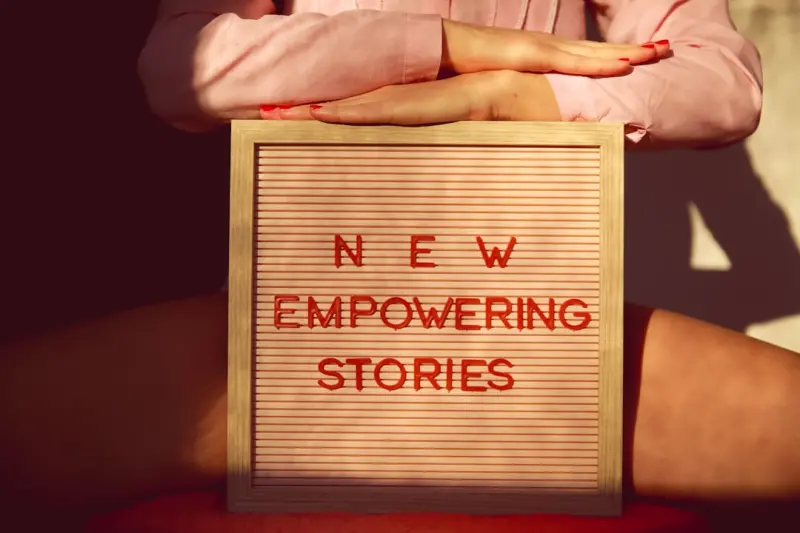
When Movement Becomes a Narrative: Reframing Physiotherapy for Modern Lives
It’s funny how we often think of physiotherapy as a series of prescribed stretches, cold packs, and a therapist’s firm voice saying, “Hold that for thirty seconds.” In reality, each session is a story in the making—a tale of how our bodies negotiate the daily drama of sitting, lifting, typing, and, yes, even binge‑watching. I’ve spent the last decade watching patients transform from “I’m just going through the motions” to “I’m the author of my own movement script.” The shift isn’t about a new gadget or a flashier exercise; it’s about weaving narrative into the fabric of rehab.
The Old Script: Linear, One‑Size‑Fits‑All
Traditional physiotherapy has long operated like a textbook. You get a diagnosis, a list of “do this” exercises, and a timeline that feels more like a school syllabus than a personal journey. That model works for broken bones or post‑surgical protocols where the anatomy is clear and the path is predictable. But for the majority of us—who wrestle with chronic neck tension, low‑back fatigue, or the lingering after‑effects of a sedentary lifestyle—the linear script often falls flat.
Why? Because pain isn’t just a physiological signal; it’s also an emotional one. A stiff shoulder can be a reminder of a looming deadline, a sore knee a metaphor for feeling stuck in life. When we ignore the story behind the symptom, we treat only the symptom itself, setting the stage for recurring setbacks.
Enter Narrative Physiotherapy: A Two‑Way Dialogue
Imagine walking into a clinic and the first question isn’t “Which muscle is tight?” but “What’s been happening in your life this week?” That’s the opening line of narrative physiotherapy. It invites patients to share the context that shapes their movement—stress at work, a new hobby, a recent argument, or a simple change in routine.
From there, the therapist becomes a co‑author, helping translate those lived experiences into actionable movement chapters. Instead of “Do three sets of 10 reps,” we might say, “Let’s rewrite the story of your morning commute with a series of micro‑adjustments that keep you feeling upright and energized.” It’s a subtle shift from prescriptive to collaborative, and the results are surprisingly profound.
Micro‑Movements as Plot Twists
One of the most powerful tools in this narrative toolbox is the concept of micro‑movements. These are tiny, purposeful adjustments—think a subtle shoulder roll before a long email thread or a quick ankle mobilization after standing in line for coffee. When sequenced thoughtfully, they act like plot twists that keep the body engaged, preventing the monotony that often leads to compensatory patterns and pain.
Research is beginning to catch up with intuition. A recent Micro‑Movements and Wearables piece highlighted how integrating minute motions with real‑time feedback can lower blood pressure and improve musculoskeletal health. While the primary focus there was cardiovascular, the underlying principle translates perfectly to physiotherapy: small, intentional actions accumulate into big, sustainable change.
Storytelling Techniques: From Journaling to Video Diaries
To embed narrative into therapy, I encourage patients to become storytellers of their own bodies. Here are three methods that have become staples in my practice:
- Movement Journals: A simple notebook where patients note how they felt during specific activities—“Stood at the kitchen counter for five minutes, felt a twinge in the lower back, reminded me of the time I lifted the heavy suitcase.” Over weeks, patterns emerge, offering clues for targeted interventions.
- Video Diaries: A short clip of a daily routine (e.g., setting up a workstation, reaching for a book). Watching oneself can be revelatory; the visual narrative often uncovers hidden habits that verbal description misses.
- Metaphorical Mapping: Using drawing or mind‑mapping to illustrate how pain feels—“my shoulder is a locked door” or “my neck is a tightrope.” These metaphors become reference points for therapists to propose alternative “paths” that reduce tension.
When patients externalize their experiences, they gain agency. They’re no longer passive recipients of a regimen; they’re active editors, tweaking the storyline as they learn what works and what doesn’t.
Technology as a Co‑Writer, Not a Replacement
There’s a temptation to let wearables, apps, and AI dictate every move. While tech can be a fantastic sidekick—offering reminders, tracking range of motion, and even suggesting micro‑adjustments—we must remember it’s a tool, not the author. In my practice, I pair device data with narrative checkpoints.
For example, after a week of using a posture‑monitoring strap, a patient might receive a summary: “You slumped for 45 minutes total.” Instead of a generic alert, we ask, “What was happening during those 45 minutes?” The answer might be “I was deep in a video call, feeling the pressure to appear engaged.” That insight leads us to embed a micro‑movement (a shoulder roll) right before the call starts—a narrative‑driven fix, not just a data‑driven nudge.
Healing Touch Beyond the Clinic: The Role of Gentle Contact
While I’m a big fan of the modern, tech‑savvy therapist, I also cherish the timeless power of human touch. The simple act of a therapist’s hand guiding a patient’s arm can convey empathy, safety, and trust—all ingredients for a compelling story. This is why I often reference The Healing Touch article, which illustrates how gentle infant massage fosters connection and health. The same principles apply to adults; a light, mindful massage before a stretch session can reset the nervous system, making the body more receptive to the narrative we’re about to co‑create.
Case Study: From “Stuck” to “Storyteller”
Let me share a recent example. Maya, a 38‑year‑old graphic designer, came in with chronic upper‑back pain that she attributed to “long hours at the computer.” Her initial plan was a typical set of thoracic extensions and posture drills. After three weeks, her pain persisted.
We shifted gears. Maya began a movement journal, noting her feelings during design sprints. She discovered that her pain spiked whenever she faced a deadline—a clear link between emotional stress and physical tension. Together, we rewrote her routine: a 30‑second “stress‑release” micro‑movement (a series of scapular squeezes and deep breaths) before each sprint, coupled with a brief mindfulness cue reminding her to “pause the story, breathe, reset.” Within a month, her pain scores dropped by 60%, and she reported feeling more in control of both her work and her body.
Integrating Narrative Physiotherapy into Everyday Life
So how can you, whether you’re a therapist or a self‑care enthusiast, start weaving narratives into physiotherapy?
- Ask the “Why” first: Before prescribing an exercise, explore the patient’s or your own motivations and stressors.
- Break down activities into scenes: Identify moments in the day that could be mini‑chapters—standing at a desk, reaching for a coffee mug, climbing stairs.
- Introduce micro‑movements as dialogue: Use brief, purposeful motions to “talk back” to your body when tension arises.
- Leverage technology as feedback, not authority: Use wearables to confirm patterns, then discuss the story behind the data.
- Document the journey: Keep a journal, video diary, or even a simple sketch to track progress and adjust the narrative.
When you treat movement as an evolving story rather than a static checklist, you empower yourself or your patients to become the protagonists of health. The body, after all, is a storyteller—listening, adapting, and thriving when given a compelling plot.
Conclusion: The Future of Physiotherapy Is Written in Stories
Physiotherapy is at a crossroads. On one side sits the well‑worn script of repetitions and passive modalities; on the other, a vibrant, narrative‑driven approach that honors the mind‑body connection. By embracing story, micro‑movement, and mindful touch, we can transform rehab from a chore into a creative collaboration. The next time you feel a twinge, ask yourself: “What chapter am I in, and how can I rewrite it?” The answer might just be the first line of a healthier, more resilient you.

Related Posts
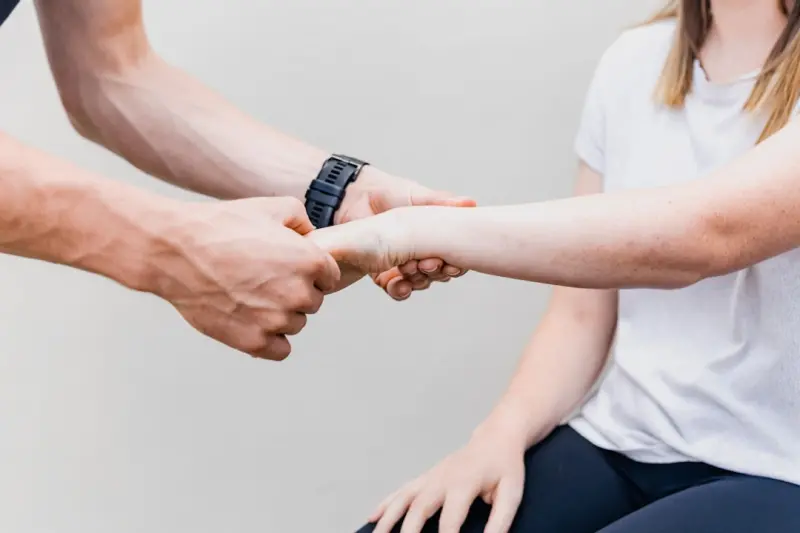
Physiotherapy for the Digital Nomad: Keeping Mobility on the Move
Discover a mobile‑first physiotherapy toolkit and daily routines that help digital nomads prevent ... Read More
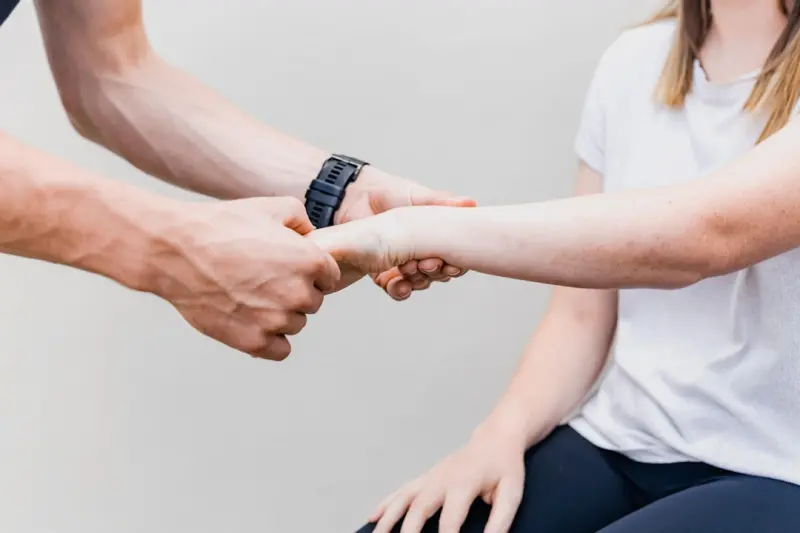
Reimagining Physiotherapy: The Rise of Digital Motion Coaching
Digital motion coaching blends wearable sensors, AI analysis, and interactive platforms to extend ph... Read More
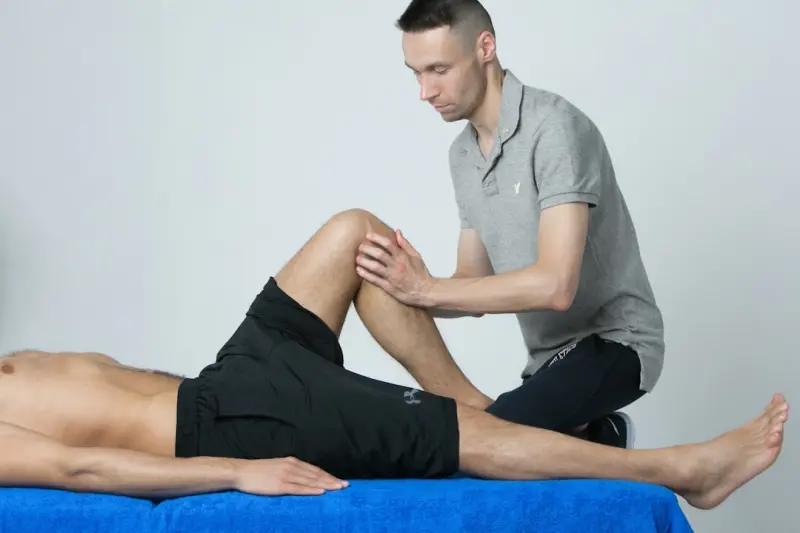
Movement as Medicine: Redesigning Physiotherapy for Hybrid Workplaces
Discover a fresh approach to physiotherapy that fits the hybrid work lifestyle, using micro‑moveme... Read More
Top Posts

Beyond the Scale: Real‑World Tactics to Stabilize Blood Sugar in a Hyper‑Connected World
A pragmatic guide that blends meal timing, ambient temperature, screen habits, and micro‑habits to keep glucose levels steady in today’s hyper‑connected w...Read More

Chilling Out: How Cold Exposure Supercharges Health and Performance
A deep dive into the science and practical steps of cold exposure, revealing how short, consistent chill sessions can improve metabolic health, strengthen immun...Read More

Chrono‑Nutrition: Timing Meals for Steady Glucose Levels
Discover how aligning your meals with your body’s internal clock can smooth glucose spikes, improve insulin response, and boost daily vitality without drastic...Read More

Mastering Muscle Growth: A Holistic Blueprint for Serious Gains
A comprehensive guide that integrates hormonal timing, strategic periodization, sleep optimization, nutrient pairing, and unconventional load types into a 12‑...Read More
0 Comments
Post Comment
You will need to Login or Register to comment on this post!