
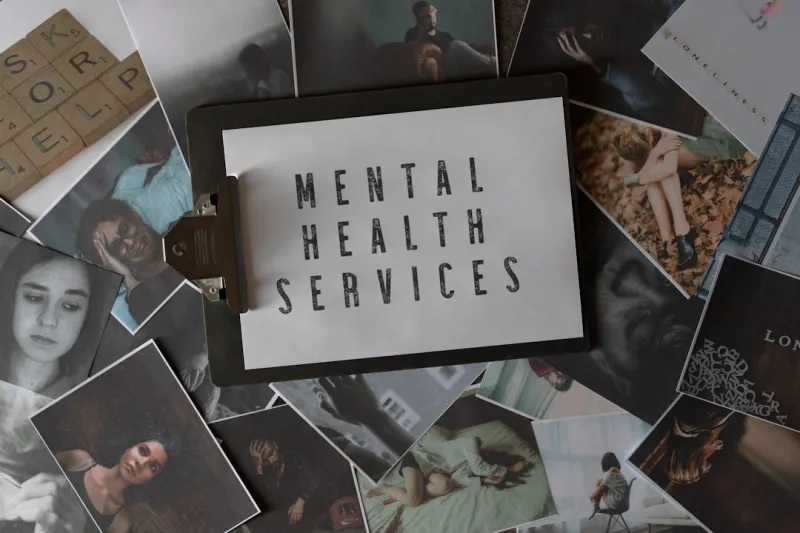
Prioritizing Mental Health in Seniors: The Unseen Battle
As we age, our bodies undergo a range of changes that can impact our overall health and wellbeing. For seniors, maintaining physical health is often a top priority, with many focusing on managing chronic conditions, staying active, and preventing falls. However, there's another critical aspect of health that often gets overlooked: mental health. In this article, I'll explore the importance of prioritizing mental health in seniors, and why it's essential to address the unique challenges faced by this demographic.
The Prevalence of Mental Health Issues in Seniors
Mental health issues are more common in seniors than you might think. According to the National Institute of Mental Health, approximately 1 in 5 adults aged 65 and older experience some form of mental health condition, such as depression, anxiety, or cognitive impairment. These conditions can have a significant impact on a senior's quality of life, relationships, and overall health outcomes. For instance, mental health issues can increase the risk of chronic diseases, such as diabetes, heart disease, and stroke.
The Connection Between Mental Health and Physical Health
There's a strong link between mental health and physical health, particularly in seniors. Chronic stress, anxiety, and depression can exacerbate physical health conditions, making it more challenging to manage symptoms and adhere to treatment plans. On the other hand, prioritizing mental health can have a positive impact on physical health outcomes. For example, studies have shown that mental health interventions can improve medication adherence, reduce hospitalizations, and enhance overall wellbeing.
Breaking Down Barriers to Mental Health Care
Despite the importance of mental health care, many seniors face significant barriers to accessing these services. Stigma, lack of awareness, and limited access to mental health resources can prevent seniors from seeking help. Additionally, seniors may be reluctant to discuss their mental health concerns with their healthcare providers, fearing that they may be perceived as weak or vulnerable. As a society, we need to work to break down these barriers and create a more supportive environment for seniors to prioritize their mental health.
The Role of Preventive Care in Mental Health
Preventive care plays a critical role in maintaining mental health in seniors. Regular check-ins with healthcare providers, screenings for mental health conditions, and early interventions can help prevent more severe problems from developing. Prioritizing preventive care can help seniors stay healthy, independent, and engaged in their communities. By focusing on preventive care, we can reduce the risk of mental health issues and promote overall wellbeing.
Supporting Seniors with Mental Health Conditions
Supporting seniors with mental health conditions requires a comprehensive approach that addresses their unique needs and challenges. This may involve providing access to mental health services, such as counseling, therapy, or support groups. Additionally, caregivers, family members, and healthcare providers can play a critical role in supporting seniors with mental health conditions. By providing emotional support, practical assistance, and connecting them with resources, we can help seniors navigate the complexities of mental health care.
Promoting Mental Health in Seniors: A Call to Action
As we move forward, it's essential that we prioritize mental health in seniors. This requires a multifaceted approach that involves healthcare providers, policymakers, and community leaders. We need to raise awareness about the importance of mental health in seniors, provide access to mental health resources, and promote a culture of support and understanding. By working together, we can create a more supportive environment for seniors to prioritize their mental health and maintain overall wellbeing.
Conclusion
In conclusion, prioritizing mental health in seniors is critical for maintaining overall health and wellbeing. By acknowledging the prevalence of mental health issues in this demographic, addressing the connection between mental health and physical health, and breaking down barriers to mental health care, we can create a more supportive environment for seniors. By prioritizing preventive care, supporting seniors with mental health conditions, and promoting mental health awareness, we can help seniors navigate the complexities of mental health care and maintain their independence, dignity, and quality of life.
Future Directions
As we look to the future, it's essential that we continue to prioritize mental health in seniors. This may involve developing new models of care that integrate mental health services into primary care settings, increasing funding for mental health research, and promoting awareness about the importance of mental health in seniors. By working together, we can create a brighter future for seniors and promote a culture of support, understanding, and compassion.

Related Posts
Revitalizing Senior Minds: Hobbies, Community, and Nutrition for Cognitive Health
Explore fresh strategies for senior cognitive health—creative hobbies, community “prescriptions,... Read More
Why Curiosity and Community Are the New Anti‑Aging Prescription for Seniors
Seniors can enhance brain health, immunity, and overall wellbeing by pairing playful curiosity with ... Read More

Embracing Vibrant Health After 60: A Personal Journey
A senior’s guide to thriving after 60, blending movement, nutrition, sleep, and mindfulness into a... Read More
Top Posts

The Silent Symphony: How Workplace Stress Plays on Your Liver
Explore the hidden ways workplace stress and digital habits strain the liver, and get a 7‑day reset plan with movement, nutrition, and stress‑management tac...Read More
Unlocking the Power of Muscle Memory for Sustainable Gains
Learn how to leverage muscle memory, targeted nutrition, recovery tricks, and community support to rebuild strength faster and sustain long‑term muscle growth...Read More

When the Body Rebels: Harnessing Everyday Creativity to Calm Autoimmune Storms
Explore practical strategies—from micro‑movements and expressive writing to sensory‑rich spaces and gut‑friendly nutrition—that empower those with aut...Read More

Unlocking Hidden Liver Power: Everyday Practices for a Resilient Organ
Explore a fresh, personal approach to liver health using herbs, breathwork, fermentation, fasting, and smart hydration for lasting vitality....Read More
0 Comments
Post Comment
You will need to Login or Register to comment on this post!