
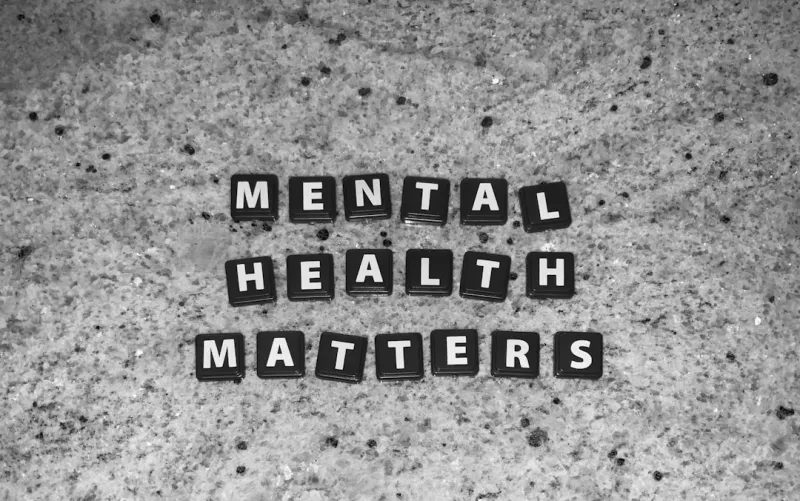
The Importance of Mental Health in Preventive Care
Mental health and preventive care are two essential aspects of overall health and well-being. While they may seem like distinct concepts, they are intricately linked. A person's mental health can significantly impact their ability to engage in preventive care, and conversely, preventive care can play a crucial role in maintaining good mental health. In this article, we will explore the intersection of mental health and preventive care, and discuss the importance of prioritizing both aspects of health.
The Link Between Mental Health and Preventive Care
Mental health affects a person's motivation, energy levels, and overall well-being, making it challenging to engage in preventive care activities such as regular exercise, healthy eating, and routine health check-ups. For instance, a person struggling with depression may find it difficult to muster the motivation to go for a walk or prepare a healthy meal. On the other hand, engaging in preventive care activities can have a positive impact on mental health. Regular exercise, for example, has been shown to reduce symptoms of anxiety and depression. By understanding the link between mental health and preventive care, we can develop more effective strategies for promoting overall health and well-being.
The Impact of Mental Health on Preventive Care
A person's mental health can significantly impact their ability to engage in preventive care. For example, individuals with mental health conditions such as depression or anxiety may be more likely to neglect their physical health, leading to poor health outcomes. Research has shown that people with mental health conditions are more likely to experience chronic diseases such as diabetes, heart disease, and obesity. This is often due to a combination of factors, including poor health behaviors, social isolation, and limited access to healthcare. By prioritizing mental health, we can improve health outcomes and reduce the risk of chronic diseases. Preventive care plays a critical role in maintaining good physical health, and mental health is an essential aspect of this.
Barriers to Mental Health and Preventive Care
There are several barriers to accessing mental health and preventive care services. These include social determinants such as poverty, lack of education, and limited access to healthcare. Additionally, stigma surrounding mental health conditions can prevent people from seeking help. Many people feel embarrassed or ashamed to discuss their mental health, which can lead to delayed diagnosis and treatment. By breaking down these barriers, we can promote greater access to mental health and preventive care services. This can involve increasing funding for mental health services, promoting education and awareness, and reducing stigma surrounding mental health conditions.
The Benefits of Prioritizing Mental Health and Preventive Care
Prioritizing mental health and preventive care can have numerous benefits for overall health and well-being. By taking care of our mental health, we can improve our resilience, reduce stress, and enhance our overall quality of life. Engaging in preventive care activities such as regular exercise, healthy eating, and routine health check-ups can help prevent chronic diseases and reduce healthcare costs. Furthermore, prioritizing mental health and preventive care can also have a positive impact on healthcare outcomes. For example, research has shown that people with mental health conditions who receive regular preventive care are more likely to experience better health outcomes. Prioritizing preventive care is essential for maintaining good health, and mental health is a critical aspect of this.
Strategies for Promoting Mental Health and Preventive Care
There are several strategies that can be employed to promote mental health and preventive care. These include:
- Promoting education and awareness about mental health and preventive care
- Increasing funding for mental health services and preventive care
- Reducing stigma surrounding mental health conditions
- Encouraging healthy behaviors such as regular exercise and healthy eating
- Providing access to routine health check-ups and screenings
By implementing these strategies, we can promote greater access to mental health and preventive care services, and improve overall health and well-being.
The Intersection of Mental Health and Preventive Care
The intersection of mental health and preventive care is complex and multifaceted. Mental health affects a person's motivation, energy levels, and overall well-being, making it challenging to engage in preventive care activities. Conversely, engaging in preventive care activities can have a positive impact on mental health. By understanding this intersection, we can develop more effective strategies for promoting overall health and well-being. Research has shown that mental health and preventive care are closely linked, and that prioritizing both aspects of health is essential for maintaining good overall health.
Conclusion
In conclusion, mental health and preventive care are two essential aspects of overall health and well-being. By prioritizing both aspects of health, we can improve health outcomes, reduce healthcare costs, and enhance our overall quality of life. It is essential to promote education and awareness about mental health and preventive care, increase funding for mental health services and preventive care, and reduce stigma surrounding mental health conditions. By working together, we can promote greater access to mental health and preventive care services, and improve overall health and well-being.
Future Directions
Future research should focus on developing more effective strategies for promoting mental health and preventive care. This could involve investigating the impact of mental health on preventive care outcomes, and developing interventions to promote healthy behaviors. Additionally, research should focus on reducing stigma surrounding mental health conditions, and promoting greater access to mental health and preventive care services. By prioritizing mental health and preventive care, we can improve health outcomes and enhance our overall quality of life.
Call to Action
We must take action to prioritize mental health and preventive care. This involves promoting education and awareness, increasing funding for mental health services and preventive care, and reducing stigma surrounding mental health conditions. We must also encourage healthy behaviors, provide access to routine health check-ups and screenings, and promote greater access to mental health and preventive care services. By working together, we can promote overall health and well-being, and improve health outcomes.

Related Posts

Fermented Foods: The Hidden Architects of Immune Resilience
Fermented foods do more than aid digestion—they rewire your immune system. Learn the science, prac... Read More

Micro‑Movements at the Desk: A Health Blueprint
A practical guide to integrating micro‑movements into the workday, showing how brief, frequent mot... Read More

The Breath Revolution: Simple Techniques to Elevate Health and Performance
A deep dive into the power of breathwork, exploring scientific benefits, easy-to-implement technique... Read More
Top Posts
The Hidden Impact of Vaping on Your Oral Health and How to Protect It
Explore the often‑overlooked oral health consequences of vaping and get actionable tips to keep your smile healthy without giving up the experience....Read More

When Nightmares Turn Real: Decoding Sleep Terrors Through the Lens of Stress Hormones
A deep dive into the hormonal roots of sleep terrors, revealing how stress hormones disrupt sleep architecture and offering evidence‑based lifestyle tweaks to...Read More

Gut Health Blueprint: Tom Ferguson’s Holistic Path to a Thriving Microbiome
Tom Ferguson shares his proven gut‑health blueprint, blending nutrition, stress management, and cutting‑edge science to help you achieve lasting digestive w...Read More

Why Your Liver Deserves a Front‑Row Seat in Your Wellness Routine
A practical guide that shifts the liver from background organ to wellness priority, offering nutrition, movement, stress, and environmental tips for lasting liv...Read More
0 Comments
Post Comment
You will need to Login or Register to comment on this post!