

When I first learned that my liver was the silent workhorse behind every meal, mood swing, and midnight craving, I felt a mixture of awe and urgency. I realized that most of us treat the liver as an invisible backdrop, only noticing it when it throws a tantrum in the form of fatigue or unexplained aches. That revelation sparked a personal quest to discover everyday tools—beyond the typical supplements—that can coax this organ into optimal performance, and I’m eager to share the insights that have reshaped my own routine.
Nature’s Pharmacy: Herbs That Speak Directly to Your Liver
Traditional medicine across continents has long trusted botanicals like milk‑thistle, dandelion root, and artichoke leaf to nurture hepatic health, and modern studies are finally confirming what ancestors sensed intuitively. Milk‑thistle’s active compound silymarin acts like a shield, stabilizing cell membranes while prompting the liver to produce fresh enzymes that detoxify more efficiently, effectively giving tired cells a chance to renew themselves. Meanwhile, the bitter compounds in dandelion root stimulate bile flow, which not only aids digestion but also accelerates the clearance of lipid‑soluble toxins, turning what many consider a simple garden weed into a potent ally for long‑term metabolic balance.
Sleep, Rhythm, and Liver Repair
The liver follows a circadian timetable that mirrors our sleep–wake cycle, ramping up detoxification processes during the night when we’re most at rest, and any disruption to this rhythm can cascade into chronic inflammation. Research shows that even a modest reduction of sleep quality—say, shifting bedtime by an hour—can blunt the expression of key genes responsible for autophagy, the cellular recycling system that the liver relies on to clear out damaged proteins and organelles. By prioritizing a consistent bedtime, dimming blue light an hour before sleep, and allowing for a full 7‑9 hours of uninterrupted rest, you give your liver the quiet window it needs to perform deep‑cleaning tasks that support overall vitality.
Movement as Medicine
While high‑intensity cardio gets the spotlight, it’s the subtle, repetitive motions—what I call micro‑movements and breathwork—that gently massage the internal organs and promote hepatic blood flow without overwhelming the nervous system. Simple actions like ankle circles, torso twists, and diaphragmatic breathing create a rhythmic pulse that encourages the portal vein to move blood more efficiently through the liver, enhancing nutrient delivery and toxin clearance. Incorporating these low‑impact sequences for just five minutes each morning can stimulate the organ’s natural perfusion, making the liver feel less “clogged” and more responsive to daily metabolic demands.
Gut‑Liver Dialogue Through Fermentation
The gut microbiome and liver are in constant conversation, exchanging metabolites that influence inflammation, insulin sensitivity, and even mood; nurturing this dialogue can dramatically uplift hepatic resilience. My own experiment with daily fermentation rituals—including sauerkraut, kimchi, and kefir—introduced beneficial bacteria that produce short‑chain fatty acids, which travel to the liver and signal it to reduce oxidative stress. These probiotic foods also compete with harmful microbes, lowering the production of endotoxins that would otherwise flood the portal circulation and force the liver into overdrive, thereby creating a calmer, more efficient detox environment.
Fasting, Food Timing, and Autophagy
Intermittent fasting, when practiced thoughtfully, triggers a cascade of cellular repair mechanisms, with the liver being one of the first beneficiaries of the autophagic surge that clears out damaged mitochondria and protein aggregates. By limiting food intake to an eight‑hour window, you allow the liver a prolonged fasting phase during which it can focus on recycling rather than processing incoming nutrients, effectively “resetting” its metabolic pathways each day. Pairing this approach with a protein‑rich, low‑glycemic first meal ensures that the liver receives the amino acids it needs for regeneration while avoiding the insulin spikes that can overload its detox capacity.
Hydration and Electrolyte Balance
Water is the primary solvent that transports waste products from liver cells to the kidneys and intestines, and even mild dehydration can cause those toxins to linger, creating a subtle sense of sluggishness that many attribute to fatigue or brain fog. Adding a pinch of sea salt or a splash of electrolyte‑rich coconut water to your daily fluid intake not only restores essential minerals but also supports the liver’s ability to produce bile, the frothy fluid that emulsifies fats and carries fat‑soluble toxins out of the body. Aim for at least half your body weight in ounces of fluid each day, and consider sipping warm lemon water first thing in the morning to jump‑start hepatic circulation.
Mindful Monitoring and When to Seek Help
Listening to subtle cues—such as persistent abdominal fullness, unexplained bruising, or a lingering yellow tint to the skin—can provide early warnings that the liver is under strain, prompting timely medical evaluation before serious damage sets in. Routine blood panels that include ALT, AST, and GGT levels offer a quantitative snapshot of liver function, and tracking these numbers over time can reveal trends that correlate with lifestyle adjustments you’ve made. If you notice a consistent upward drift, or if any of the markers exceed the normal range, consulting a hepatology specialist is prudent; early intervention often means simple dietary tweaks or targeted supplements can reverse the trajectory.

Related Posts
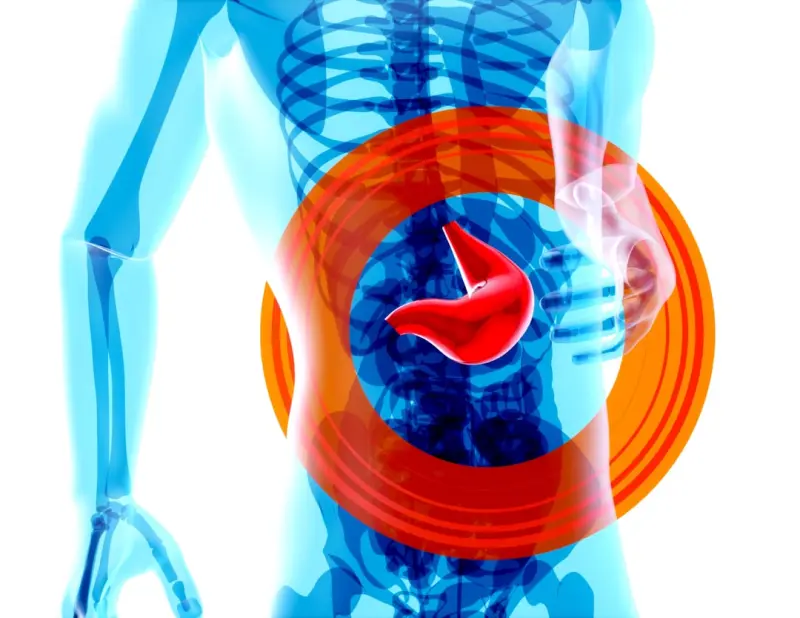
Recharging Your Engine: How Optimizing Liver Health Fuels Professional Performance
Optimizing liver health can be a game‑changer for high‑performers. Learn practical nutrition, ti... Read More

The Importance of Liver Health: A Holistic Approach to Wellness
The liver plays a crucial role in maintaining overall health and well-being. Learn how to adopt a ho... Read More

Liver Resilience: A Practical Blueprint for High‑Performance Professionals
This article offers a step‑by‑step plan—covering meal timing, gut‑liver synergy, hydration, ... Read More
Top Posts

The Longevity Edge: Harnessing Social Synchrony for a Longer, Healthier Life
Discover how intentional social connection and rhythmic community engagement can act as powerful longevity boosters, improving sleep, immunity, and cellular hea...Read More

Why Your Vape Habit Could Be the Unexpected Barrier to True Focus
A deep dive into how vaping subtly affects brain chemistry, air quality, and work performance, offering practical, mindful alternatives to help you break the cy...Read More
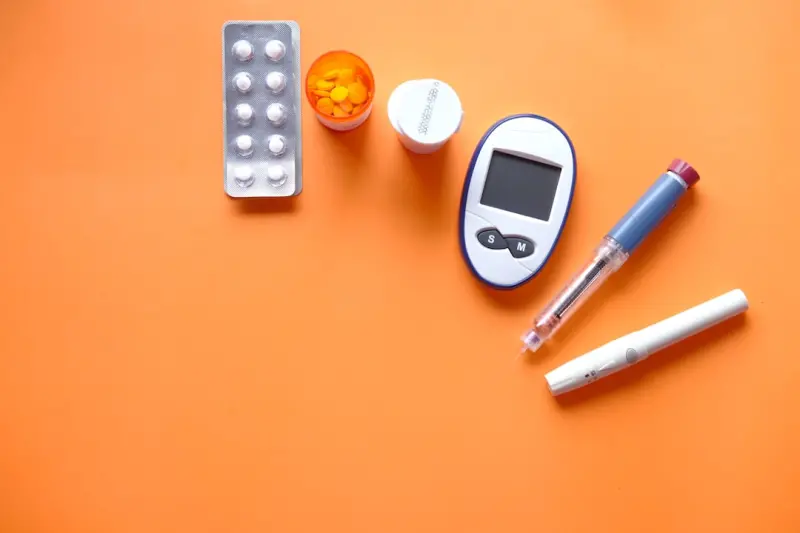
Taste‑Driven Glucose Management: How Flavor Profiles Can Stabilize Your Numbers
Learn how bitter, umami, and acidic flavors—along with mindful textures—can flatten glucose spikes, offering a tasty, science‑backed approach to steady bl...Read More

Decoding Pregnancy Cravings: A Science‑Backed Guide to Satisfy Body and Soul
Pregnancy cravings are more than random urges; they’re signals from hormonal shifts and emotional needs. This guide helps decode those messages, offering scie...Read More
0 Comments
Post Comment
You will need to Login or Register to comment on this post!