

Why Your Liver Is the Unsung Hero of the Modern Workspace
When most of us think about workplace performance, we picture a slick laptop, a high‑speed internet connection, and maybe a fancy standing desk. Rarely do we consider the organ that quietly filters everything we ingest, metabolizes stress hormones, and keeps our energy engines humming: the liver. In today’s hyper‑connected environment, the liver is working overtime—often without applause, and sometimes without the support it needs. This piece dives deep into the hidden ways stress, digital overload, and office ergonomics influence liver health, and offers a practical playbook you can start using right now.
The Liver‑Stress Connection: More Than a Buzzword
Stress isn’t just a feeling; it’s a cascade of biochemical events that begin in the brain and end up in the liver. When you encounter a tight deadline, a demanding client, or a never‑ending stream of notifications, your hypothalamus signals the adrenal glands to release cortisol. While cortisol is essential for short‑term “fight‑or‑flight” responses, chronic elevation forces the liver into a perpetual detox mode.
In this state, the liver diverts precious resources away from regenerative processes—like glycogen storage and bile production—and toward breaking down toxins. Over time, this can lead to:
- Reduced glycogen reserves, leaving you fatigued and prone to blood‑sugar spikes.
- Impaired bile flow, which hampers fat digestion and can cause uncomfortable bloating.
- Elevated oxidative stress, nudging liver cells toward inflammation and, in extreme cases, fibrosis.
The takeaway? Your daily stress budget directly drains liver capacity. The more you can shave off that budget, the more room the liver has for genuine repair.
Digital Toxins: The New “Environmental” Hazard
We’ve all heard the buzz about Detoxifying the Digital Age—but how does that translate to liver health? Electromagnetic fields (EMFs), blue‑light exposure, and even the constant hum of Wi‑Fi can subtly disrupt cellular signaling pathways. Recent lab work suggests that chronic EMF exposure may increase reactive oxygen species (ROS) in liver tissue, amplifying oxidative stress.
That doesn’t mean you need to abandon technology. Instead, think of digital hygiene as a supplement to liver care:
- Blue‑light blocking glasses after 7 pm can help reset melatonin production, which indirectly supports the liver’s nightly regenerative surge.
- EMF‑shielding mats under your workstation reduce direct exposure while you type away.
- Scheduled “tech‑free” windows—even 15 minutes of screen‑less breathing—give the liver a momentary reprieve from the constant metabolic chatter.
Movement, Microbreaks, and the Liver’s Flow
Sitting for prolonged periods is the new smoking, and the liver feels the burn. When you’re glued to a chair, hepatic blood flow slows, limiting the organ’s ability to clear toxins efficiently. A simple strategy is to incorporate microbreaks every 45 minutes:
- Stand up and stretch for 30 seconds—reach overhead, roll shoulders, and rotate hips.
- Take a brief walk to the water cooler or a hallway. Even a 2‑minute stroll can boost portal vein circulation.
- Practice diaphragmatic breathing—inhale for a count of four, hold for two, exhale for six. This stimulates the vagus nerve, which in turn promotes liver relaxation.
Over a typical 8‑hour day, these micro‑movements accumulate into a substantial increase in hepatic perfusion, effectively “flushing” the organ.
Nutrition Strategies That Speak Liver’s Language
While you’re already familiar with the power of food pairing from The Quiet Power of Food Pairing, let’s tailor it to liver support. The goal is to feed the liver with compounds that boost its antioxidant arsenal and improve bile flow.
Key Food Pairings
- Turmeric + Black Pepper: Curcumin in turmeric is notoriously poorly absorbed. A pinch of piperine (black pepper) enhances bioavailability, delivering a potent anti‑inflammatory punch.
- Beetroot + Citrus: Beet nitrates support vascular health, while vitamin C from citrus aids glutathione recycling, a critical antioxidant inside liver cells.
- Cruciferous Veggies + Healthy Fat: Sulforaphane from broccoli or kale works best when paired with a drizzle of olive oil, which helps the compound cross cell membranes.
Beyond pairings, consider timing: consuming a modest protein source (e.g., a handful of nuts or a boiled egg) within 30 minutes of a stress‑laden meeting can provide amino acids that the liver uses to rebuild glutathione.
The Role of Sleep: Not Just for the Brain
Many associate sleep with cognitive performance, but the liver has a nightly shift change. During deep sleep (especially stages 3 and 4), hepatic blood flow spikes, and the organ focuses on glycogen replenishment and toxin clearance. Disrupted sleep—common in high‑pressure roles—shortens this window, leaving the liver in a perpetual “catch‑up” mode.
Actionable tips to protect your liver’s nocturnal duties:
- Maintain a consistent bedtime—even on weekends—to keep the liver’s circadian rhythm locked.
- Limit caffeine after noon to prevent sleep fragmentation.
- Create a pre‑sleep ritual that includes low‑intensity stretching and a brief gratitude journal—this lowers cortisol and signals the liver to wind down.
Stress‑Management Techniques That Directly Benefit the Liver
While mindfulness apps flood the market, the liver responds best to practices that modulate the autonomic nervous system. Below are three evidence‑backed techniques that have shown promise in reducing hepatic oxidative stress:
- Box Breathing (4‑4‑4‑4): A simple rhythm that balances sympathetic and parasympathetic activity, lowering cortisol spikes.
- Progressive Muscle Relaxation: By systematically tensing and releasing muscle groups, you improve venous return, indirectly supporting hepatic circulation.
- Nature‑Based “Micro‑Nature” Breaks: Even a five‑minute view of a plant or a quick step outside can reduce perceived stress, giving the liver a hormonal breather.
Practical Playbook: 7-Day Liver‑Friendly Workplace Reset
Implementing a full‑scale lifestyle overhaul can feel daunting. Here’s a bite‑sized, seven‑day plan that targets the biggest workplace stressors and gives your liver a chance to thrive:
- Day 1 – Audit Your Digital Landscape: Identify non‑essential notifications and mute them. Install a blue‑light filter on all screens.
- Day 2 – Move the Chair: Replace your traditional chair with a stability ball for 15 minutes of active sitting.
- Day 3 – Power‑Pair Your Lunch: Combine a serving of roasted Brussels sprouts (cruciferous) with a spoonful of avocado (healthy fat).
- Day 4 – Microbreak Mastery: Set a timer for 45‑minute intervals; stand, stretch, and do diaphragmatic breathing.
- Day 5 – Evening Ritual: Shut down screens by 9 pm, sip a warm turmeric latte (turmeric + black pepper), and journal for five minutes.
- Day 6 – Nature Injection: Take a 10‑minute walk in a green space during lunch. Observe the colors, sounds, and scents.
- Day 7 – Reflect and Adjust: Review how you felt each day. Note any improvements in energy, focus, or digestion, and adjust the plan for the coming week.
Consistency is the secret sauce—your liver thrives on predictable patterns.
When to Seek Professional Guidance
If you notice persistent symptoms—such as unexplained fatigue, abdominal discomfort, or dark urine—consider a liver function test. While lifestyle tweaks are powerful, certain conditions (e.g., non‑alcoholic fatty liver disease) may require medical intervention, dietary counseling, or targeted supplementation (like milk thistle or N‑acetylcysteine). Always discuss supplement use with a healthcare provider.
Bottom Line: Your Liver Deserves a Seat at the Executive Table
In the age of remote work, AI‑driven analytics, and constant connectivity, the liver is the unsung executive that keeps the company (your body) running smoothly. By recognizing the stress‑liver link, managing digital exposure, moving deliberately, and feeding the organ with strategic nutrition, you empower it to perform at its peak. Your next breakthrough at work might just come from the quiet efficiency of a healthier liver.

Related Posts
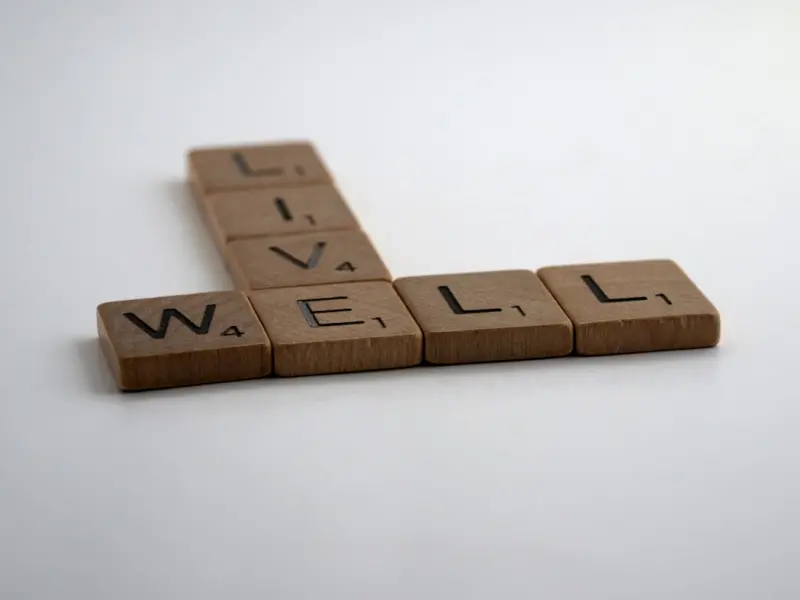
Rethinking Liver Wellness in a Fast‑Paced World
Discover practical strategies to support liver health beyond detox trends, focusing on circadian rhy... Read More

Seasonal Sync: A Fresh Approach to Nourishing Your Liver
Explore a fresh, seasonal strategy to nurture your liver through diet, mindfulness, sleep, and movem... Read More
Revitalizing Your Liver: Everyday Strategies for a Resilient Organ
Explore easy, science‑backed habits that boost liver function, including diet swaps, stress‑redu... Read More
Top Posts

The Sound of Longevity: How Seniors Can Use Everyday Audio to Boost Brain and Heart Health
Seniors discover that everyday sounds—from favorite music to rhythmic breathing—can sharpen memory, lower blood pressure, and foster community. This guide o...Read More
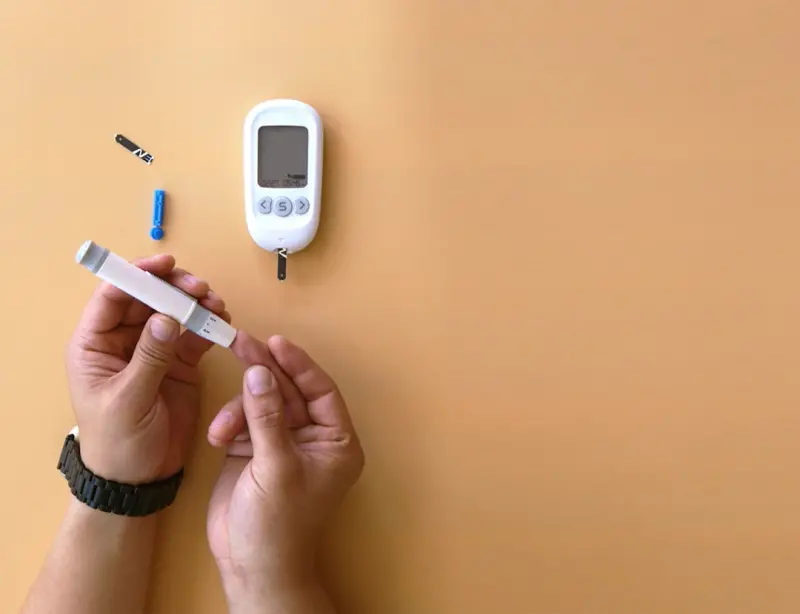
Prediabetes: Turning Early Signals into Personal Growth
A practical guide shows how prediabetes can be a catalyst for personal health growth, leveraging data, habit science, and smart use of health insurance benefits...Read More

Turning City Streets into a Personal Fitness Lab
Learn how to transform sidewalks, stairs, and parks into a personal fitness laboratory, boosting movement variety, mental clarity, and community connection with...Read More

Cycle Syncing for Peak Performance: A Women’s Health Playbook
Learn to transform the menstrual cycle from a challenge into a strategic advantage by syncing tasks, nutrition, and movement with each phase for optimal perform...Read More
0 Comments
Post Comment
You will need to Login or Register to comment on this post!