
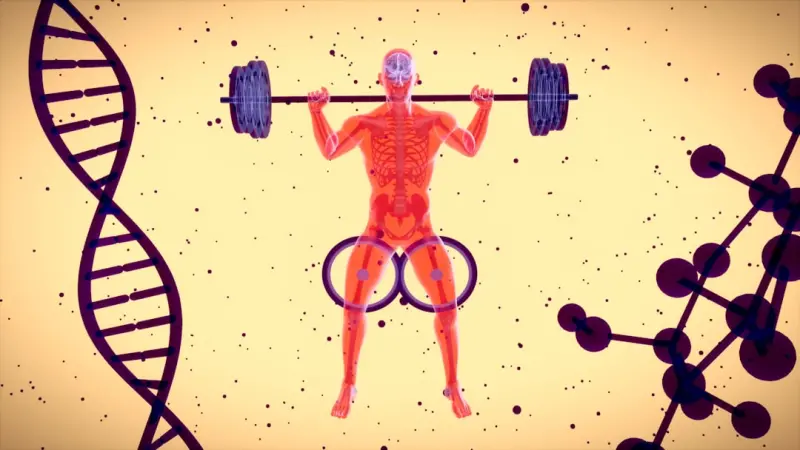
Why Muscle Memory Matters More Than You Think
When I first stepped back into the gym after a year‑long hiatus, the bar felt familiar under my hands, yet my confidence wavered as the weights seemed heavier; that uneasy sensation sparked a deep dive into the science of muscle memory, a phenomenon that allows previously trained muscles to regain strength faster than they initially built it, thanks to lingering cellular adaptations that survive periods of inactivity. Understanding how my body retained those hidden gains transformed my approach from fearing loss to embracing a strategic comeback, and I realized that the same mechanisms that helped elite athletes bounce back from injury could be harnessed by anyone willing to respect the body’s innate ability to remember movement patterns, fiber recruitment, and neuromuscular pathways. This revelation reshaped my training philosophy, shifting the focus from merely rebuilding to strategically leveraging the dormant myonuclei and satellite cells that act as a biological “ledger” of past effort, ensuring that each rep I perform is not a fresh start but a continuation of a long‑term narrative of growth.
How Satellite Cells and Myonuclei Preserve Your Gains
The core of muscle memory lies in satellite cells—tiny stem‑like entities that nestle beside muscle fibers and spring into action during hypertrophy, donating nuclei to expanding muscle cells so they can synthesize more protein; even after weeks of detraining, many of these added nuclei linger, creating a permanent reserve that speeds up future growth, a fact confirmed by longitudinal studies showing that previously trained muscles reacquire size and strength at a fraction of the time required for novices. This cellular bank means that every squat, deadlift, or press I performed before the break left a lasting imprint, and when I re‑introduced progressive overload, my muscles responded with a rapid surge in protein synthesis, effectively “remembering” the stimulus and reacting with heightened efficiency, a process that explains why my initial post‑break sessions felt surprisingly productive despite the perceived loss in raw strength. By acknowledging this biology, I could design workouts that respect the existing myonuclear pool, avoiding excessive volume that might overwhelm the system while still providing enough novel stress to activate those dormant satellite cells and translate their potential into tangible muscle mass.
Practical Ways to Harness Muscle Memory in Your Routine
To translate the science into everyday training, I adopted a three‑step protocol: start with a brief re‑acclimation phase that mirrors the intensity of the last successful workout before the break, then implement a progressive overload scheme that adds 2‑5 % weight each session, and finally incorporate movement‑specific drills that reinforce neural pathways, such as tempo variations and paused reps, ensuring the nervous system remains finely tuned to the patterns that originally forged the muscle; this method respects the residual myonuclei while providing fresh mechanical tension, a balance that prevents stagnation and promotes continuous adaptation. Additionally, I schedule “muscle‑memory boosters” every fourth week, where I revisit the exact rep‑range and load that produced peak hypertrophy prior to the hiatus, allowing the previously stored cellular memory to reignite, a tactic that has consistently delivered noticeable strength jumps without the dreaded plateaus that often accompany generic progressive programs. By treating each training block as a conversation between old and new stimuli, I keep the muscle’s historical archive active, ensuring that the body’s innate recall mechanisms are constantly called upon to accelerate growth.
Nutrition Strategies that Reinforce Muscle Memory
Nutrition plays a pivotal role in supporting the cellular infrastructure that underlies muscle memory, especially when it comes to supplying the amino acids and micronutrients required for protein synthesis and satellite‑cell activation; I prioritize high‑quality protein sources within a 30‑minute window post‑workout, aiming for at least 0.4 g of protein per kilogram of body weight, a timing strategy that aligns with the heightened anabolic sensitivity that follows resistance training, thereby capitalizing on the muscle’s readiness to rebuild and expand. Beyond protein, I focus on nutrient‑dense carbohydrates that replenish glycogen stores, which is crucial because depleted glycogen can blunt the signaling pathways that stimulate myonuclear activity, and I choose foods rich in antioxidants and polyphenols to mitigate oxidative stress that might otherwise impede satellite‑cell function, a practice echoed in the article decoding nutrient density for optimal muscle support. By aligning my macro‑timing with the body’s natural recovery windows and ensuring each meal is packed with bioavailable nutrients, I create an environment where the lingering myonuclei can efficiently translate training stimulus into new contractile proteins, effectively “writing” the memory into tangible muscle tissue.
Supplemental Allies That Amplify the Memory Effect
While whole foods form the foundation, targeted supplements can act as catalysts that enhance the muscle‑memory process, and I have found that a combination of creatine monohydrate, beta‑alanine, and a high‑quality omega‑3 fish oil blend provides synergistic benefits; creatine boosts intracellular phosphocreatine stores, allowing for higher training volume that further stimulates satellite‑cell proliferation, whereas beta‑alanine buffers lactic acid, extending the duration of high‑intensity sets that are essential for re‑engaging dormant myonuclei. Omega‑3s, rich in EPA and DHA, have been shown to modulate inflammation and improve muscle protein synthesis, supporting the recovery phase where the cellular memory is consolidated, and I schedule these supplements around my meals to maximize absorption, ensuring that the biochemical environment is primed for the next round of growth. By treating supplementation as a strategic extension of my dietary plan, I reinforce the physiological pathways that keep the muscle’s historical imprint active, turning every workout into a more efficient reinforcement of past gains.
Recovery Protocols that Keep the Memory Alive
Recovery is the silent architect of muscle memory, and I have integrated a suite of evidence‑based practices that accelerate the repair of myonuclei and the re‑establishment of neural pathways; quality sleep of 7‑9 hours remains non‑negotiable, as deep‑slow wave sleep spikes growth hormone release, a hormone intimately linked to satellite‑cell activation, while deliberate active‑recovery sessions, such as low‑intensity cycling or mobility drills, promote blood flow without adding excessive mechanical stress, facilitating the transport of nutrients that are essential for cellular repair. I also incorporate structured breathwork routines, drawing inspiration from the piece breathwork and rhythm, which has helped me fine‑tune my autonomic balance, reduce cortisol spikes, and improve oxygen delivery to fatigued fibers, all of which contribute to a more robust environment for myonuclear preservation. By treating recovery as an active, intentional component of my program rather than a passive afterthought, I ensure that the cellular memory remains vivid, ready to be summoned the next time I challenge my muscles with progressive overload.
Cold Exposure as a Complementary Tool for Muscle Retention
Cold exposure, once dismissed as merely a novelty, has earned a place in my arsenal for its ability to modulate inflammation and preserve muscle fiber integrity after intense sessions; brief, controlled immersion in 10‑12 °C water for 5‑10 minutes post‑workout has been shown to reduce DOMS (delayed‑onset muscle soreness) and blunt the inflammatory cascade that can otherwise disrupt satellite‑cell function, allowing the myonuclei to remain focused on growth rather than repair. I balance this with strategic timing, avoiding cold exposure immediately before strength training, as excessive vasoconstriction can dampen the acute anabolic signaling required for hypertrophy, a nuance highlighted in the article cold exposure for men. By integrating cold therapy judiciously, I protect the delicate cellular infrastructure that underpins muscle memory, ensuring that each training stimulus translates into lasting structural adaptations rather than fleeting fatigue.
Community, Mindset, and Tracking for Long‑Term Gains
Beyond the lab and the gym, the social and psychological dimensions of muscle memory are powerful levers that can sustain progress over years, and I have cultivated a supportive community of fellow lifters who share weekly progress photos, lift logs, and personal anecdotes, creating a feedback loop that reinforces accountability and celebrates incremental wins, a habit that keeps motivation high and the brain’s motor cortex engaged in pattern reinforcement; this collective environment mirrors the neuroplastic principles that drive muscle memory, as repeated exposure to shared goals and techniques strengthens the neural circuits associated with specific movements. To complement the social aspect, I maintain a detailed training journal where I log not only load, sets, and reps but also subjective metrics like perceived exertion, sleep quality, and nutrition timing, enabling me to spot trends and adjust variables that influence myonuclear activity, much like a data‑driven athlete fine‑tuning performance. By merging community support with meticulous tracking, I create a holistic system where the physical, nutritional, and psychological components of muscle memory are constantly nourished, ensuring that each training cycle builds upon a resilient foundation of past achievements.

Brandy Miller is a dynamic freelance writer based in the vibrant city of Cambridge, Ontario. With a passion for storytelling that knows no bounds, she crafts compelling narratives that captivate and inspire. Brandy’s love for writing shines through in her versatile work, whether she’s penning thought-provoking articles or engaging content that resonates with readers. Her unique perspective and friendly tone make her a sought-after voice in the writing community. When she’s not weaving words together, you can find her exploring the beautiful landscapes of Ontario, always seeking new adventures and inspiration for her next piece. Brandy is not just a writer; she’s a creative force, making her mark one word at a time.
Related Posts
Building Muscle, Building Confidence
Building muscle takes more than just lifting weights and eating protein. Learn how a holistic approa... Read More

Re‑Engineering Muscle Growth: A Systems Blueprint for Busy Professionals
Discover a fresh, adaptable approach to muscle gain that fits into a busy professional’s scheduleâ... Read More

Nikki’s Proven Path to Muscle Gain: Holistic Hacks for Real Results
Nikki McDonald shares her personal blueprint for muscle gain, blending smart nutrition, sustainable ... Read More
Top Posts

Holistic Paths to Thriving Senior Health
A personal, holistic guide for seniors, blending movement, nutrition, sleep, and community to nurture vibrant health and lasting vitality....Read More

Revitalize Your Body: A Holistic Detox Blueprint
A comprehensive guide to sustainable detox, focusing on lymphatic flow, skin revitalization, balanced hydration, and mindful breathing to naturally cleanse and ...Read More

Micro‑Loading Mastery: Small‑Scale Gains for Big Strength
Learn the micro‑loading method: use tiny, frequent resistance throughout your day, combine it with playful movement and gut‑friendly nutrition, and achieve ...Read More

When Ambition Becomes Appetite: Uncovering the Hidden Link Between High‑Pressure Careers and Disordered Eating
A deep dive into how relentless workplace pressure can turn food into a control tool, the biological feedback loops involved, and practical strategies for organ...Read More
0 Comments
Post Comment
You will need to Login or Register to comment on this post!