

Why My Gut Became My Compass
When I first started tracking my meals, the numbers on the scale were only half the story. I noticed that my mood swung like a pendulum, my skin broke out on days I ate processed snacks, and my energy fizzled by mid‑afternoon. It was as if my gut was sending me Morse code, and I finally decided to learn the language. Gut health isn’t just about avoiding discomfort; it’s the central nervous system for digestion, immunity, and even emotional balance. In the past year I’ve turned that invisible organ into a daily ally, and the changes have been nothing short of transformative. By listening to my gut, I’ve cultivated a sense of inner harmony that ripples through every facet of my life, from workouts to relationships.
The Micro‑World Inside: A Quick Science Tour
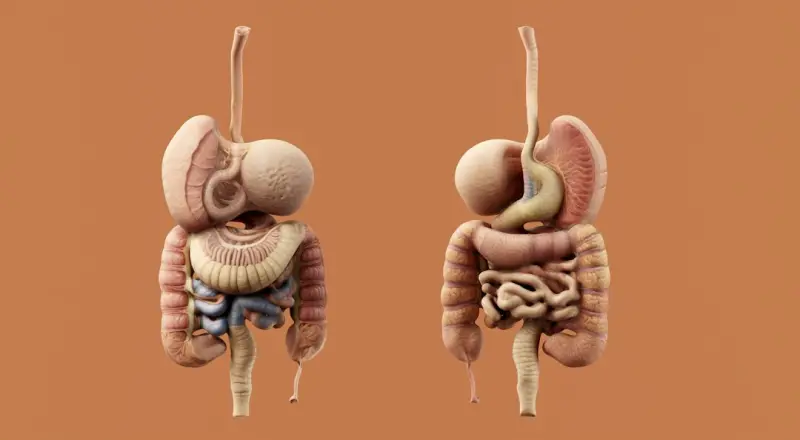
Inside the length of your intestines lives a bustling city of trillions of microbes—bacteria, fungi, and viruses that together form the microbiome. These tiny residents break down fibers you can’t digest, manufacture essential vitamins, and train your immune system to differentiate friend from foe. When the microbial balance tips, we experience everything from bloating to anxiety, because the gut and brain converse via the vagus nerve and a cascade of neurotransmitters. Understanding this two‑way street helped me replace vague “gut‑feeling” advice with concrete actions: feeding the right microbes, trimming the harmful ones, and nurturing the whole ecosystem.
Fermented Friends: The Power of Probiotic‑Rich Foods
One of the fastest ways to introduce beneficial bacteria is through fermented foods. I started my mornings with a spoonful of kefir, swapped soda for kombucha, and added a modest serving of sauerkraut to my salads. The result? A noticeable reduction in afternoon crashes and a calmer digestive rhythm. Fermentation not only seeds your gut with live cultures but also creates organic acids that inhibit pathogenic microbes. If you’re curious about broader health impacts, check out Holistic Secrets to a Longer, Healthier Life for deeper insights on how a thriving microbiome supports longevity.
Prebiotic Fuel: Feeding the Good Guys
Probiotics are only half the equation; they need sustenance to thrive. That’s where prebiotics—indigestible fibers—come in. Foods like chicory root, Jerusalem artichoke, garlic, onions, and bananas act as fertilizer for the beneficial bacteria already living in your colon. I began adding a tablespoon of ground flaxseed to my smoothies and a handful of berries to my oatmeal, noticing smoother digestion within days. The key is variety: different fibers nourish different microbial species, fostering a diverse ecosystem that resists dysbiosis. Consistently feeding these microbes has also helped me maintain steady blood sugar levels, a benefit that dovetails nicely with my overall wellness plan.
Stress, the Silent Saboteur
Chronic stress is a notorious gut‑disruptor. When the body perceives danger, it diverts blood away from the digestive tract, impairing motility and compromising the intestinal barrier. I used to power through deadlines with coffee and frantic multitasking, only to end the day with cramps and brain fog. Integrating mindfulness practices—brief breathing exercises, gentle yoga, and daily journaling—has dramatically lowered my cortisol spikes. For a deeper dive into calming the nervous system, I recommend reading Finding Calm in the Chaos, which outlines practical tools to soothe both mind and gut.
Sleep: The Night‑Time Reset Button
Sleep quality directly influences gut permeability and microbial diversity. On nights of restless sleep, I noticed increased bloating and a sluggish metabolism the next day. By establishing a wind‑down routine—dim lights, no screens an hour before bed, and a cup of herbal tea—I reclaimed deeper, more restorative sleep. This consistency supports the gut’s natural circadian rhythm, allowing beneficial bacteria to flourish when the body is at rest. A well‑rested gut, in turn, produces short‑chain fatty acids that reinforce the gut lining and modulate inflammation, creating a virtuous cycle of health.
Hormonal Harmony and Gut Health
Women’s hormonal fluctuations often manifest in gut symptoms—think IBS flare‑ups before periods or heightened cravings during menopause. The gut microbiome can metabolize estrogen, influencing its circulation and activity. By balancing my gut flora, I’ve experienced smoother hormonal transitions and fewer mood swings. Incorporating cruciferous vegetables, omega‑3‑rich fish, and regular movement helps maintain this delicate balance. For a comprehensive view on aligning hormones with gut health, explore Reclaiming Hormonal Harmony, which offers actionable steps for women at every life stage.
Building a Gut‑Friendly Daily Routine
- Morning:** Start with probiotic‑rich kefir or a fermented veggie smoothie.
- Mid‑day:** Choose a fiber‑packed lunch—think quinoa bowls with roasted veggies and a side of kimchi.
- Afternoon:** Snack on prebiotic foods like an apple with almond butter or a handful of raw carrots.
- Evening:** Wind down with herbal tea, a short meditation, and a screen‑free hour before bed.
Consistency is the secret sauce. I keep a simple journal tracking foods, mood, and bowel movements, which helps me spot patterns and adjust quickly. Over weeks, these small habits compound, turning a reactive approach into a proactive, thriving gut ecosystem.
Celebrating the Journey and Next Steps
Transforming gut health isn’t a sprint; it’s a marathon of mindful choices, curiosity, and patience. By treating my gut as a partner rather than a problem, I’ve unlocked higher energy, clearer focus, and a resilient immune system. I encourage you to start small—add one fermented food, try a brief breathing exercise, or swap a sugary snack for a fiber‑rich fruit. As you notice subtle shifts, celebrate them; they’re the breadcrumbs leading to lasting wellness. Remember, every bite and breath is an opportunity to nurture the intricate ecosystem that powers your whole being.

Nikki McDonald is a freelancer based in Waterloo. She brings her skills and expertise to various projects, balancing her professional work with a personal life that includes her husband, Stewart.
Related Posts
The Microbial Muse: How Gut Health Fuels Creative Excellence in SaaS
A fresh look at gut health reveals its powerful influence on creativity and mental agility, offering... Read More

The Unseen Conversation: How Your Gut Shapes Everyday Performance
Explore the profound impact of gut health on mood, focus, and immunity, with actionable tips on diet... Read More

Gut Health Unlocked: A Holistic Journey to Balanced Digestion and Vitality
Explore a comprehensive, holistically‑focused guide to gut health, blending nutrition, stress mana... Read More
Top Posts

The Power of Holistic Health: A Comprehensive Approach to Wellbeing
Holistic health is a comprehensive approach to wellbeing that considers the whole person - body, mind, and spirit. Learn how to prioritize nutrition, manage str...Read More

Cold Exposure: A Fresh Path to Longevity and Vitality
Explore the science and simple practices of cold exposure, from brief showers to ice baths, and learn how this hormetic stress can extend your healthspan while ...Read More

When Daylight Becomes a Trigger: Living and Thriving with Narcolepsy
A deep dive into the biology, lifestyle hacks, technology, and community support that empower people with narcolepsy to design resilient, productive lives....Read More

Rethinking Menopause: A Data‑Driven Path to Personal Empowerment
Learn how to transform menopause from a vague health challenge into a data‑empowered journey, using wearables, nutrition, community insights, and precision me...Read More
0 Comments
Post Comment
You will need to Login or Register to comment on this post!