
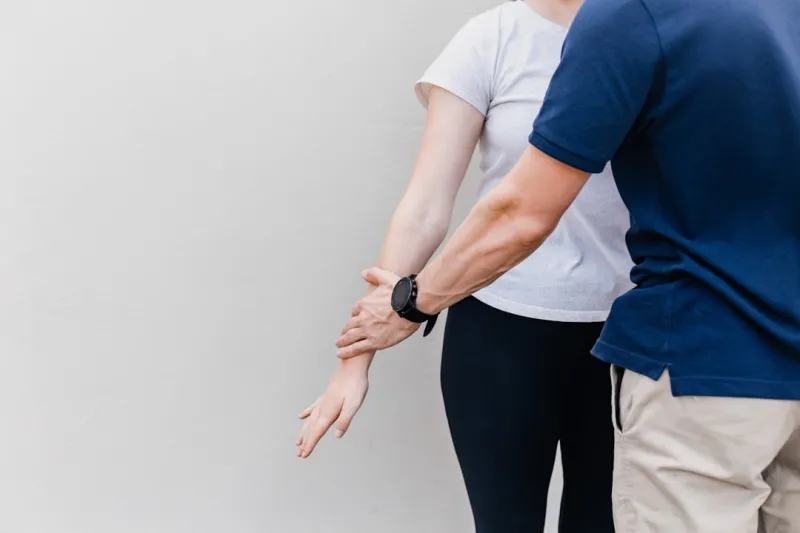
Why Physiotherapy Is the New Wellness Frontier
When I first stepped into the clinic as a fresh‑grad, I imagined physiotherapy as a set of rote exercises prescribed after a sprain, but the reality I live today is a vibrant, ever‑evolving ecosystem that blends biomechanics, neuroscience, and holistic lifestyle coaching. Patients now expect more than just pain relief; they crave sustainable movement habits that empower them to thrive in every facet of life, from work desks to weekend hikes. This shift has forced us, clinicians, to become educators, motivators, and digital innovators—all while staying rooted in evidence‑based practice that honors the body’s innate capacity to heal.
The Rise of Holistic Integration in Treatment Plans
My daily sessions now begin with a conversation about sleep, stress, and nutrition because I’ve learned that the musculoskeletal system does not exist in isolation. When we address underlying factors such as chronic inflammation or gut dysbiosis, the therapeutic gains multiply, turning a short‑term fix into a lasting transformation. For example, integrating insights from Gut Health Secrets: Balance, Energy, and Wellness has allowed me to recommend probiotic‑rich foods that reduce systemic inflammation, thereby accelerating tissue repair and improving joint mobility.
Tele‑Rehab: Bringing the Clinic Into the Living Room
The pandemic fast‑tracked the adoption of virtual physiotherapy, and today I conduct live video assessments, prescribe home‑based exercise libraries, and monitor progress through wearable data—all from the comfort of my patients’ sofas. This digital bridge not only expands access for rural clients but also empowers individuals to take ownership of their recovery, as they can replay instructional videos and receive instant feedback via secure messaging. The result is a collaborative partnership where the therapist guides and the patient actively participates, creating a feedback loop that sharpens compliance and outcomes.
Movement Literacy and Pain Neuroscience
Understanding that pain is a brain‑generated signal rather than a direct map of tissue damage has revolutionized how I approach chronic conditions. By teaching patients to reinterpret sensations through graded exposure and mindful movement, we dismantle fear‑avoidance cycles that often perpetuate disability. I now spend part of each session on “movement literacy,” where we break down functional tasks—like reaching for a kitchen shelf—into motor patterns that respect the nervous system’s protective mechanisms while gently challenging them toward greater confidence.
Manual Therapy Meets Self‑Management
While hands‑on techniques such as myofascial release and joint mobilizations remain cornerstone tools, I pair them with personalized self‑care protocols that include foam rolling, breath work, and ergonomic tweaks. This hybrid model ensures that the therapeutic window opened during a manual session stays open long after the treatment table is cleared. Clients who adopt these at‑home practices report not only reduced pain intensity but also increased proprioceptive awareness, which translates into smoother, more efficient movement patterns in daily life.
Education as the Most Powerful Prescription
Every interaction is an opportunity to plant the seed of lifelong health literacy; I often hand out concise handouts that demystify anatomy, explain the role of inflammation, and outline simple lifestyle adjustments. When patients understand the “why” behind each exercise, adherence skyrockets, and they become proactive partners rather than passive recipients. This educational focus aligns with my broader mission to create resilient bodies that can navigate life’s inevitable stresses without reliance on endless appointments.
Case Spotlight: Empowering Seniors Through Movement
Recently, I worked with a vibrant 68‑year‑old who wanted to reclaim independence after a total knee replacement. By integrating low‑impact strength training, balance drills, and the principles highlighted in Embracing Vibrant Health After 60: A Holistic Guide for Seniors, we crafted a program that not only restored joint function but also boosted confidence in navigating stairs and community activities. Within three months, she reported a 70% reduction in fear of falling and was back to gardening, proving that age‑appropriate physiotherapy can be a catalyst for renewed zest.
Looking Ahead: The Future of Personalized Physiotherapy
As artificial intelligence refines movement analysis and genetic testing uncovers individual recovery profiles, the next era of physiotherapy will be hyper‑personalized, delivering interventions that match each person’s unique biomechanical fingerprint. Yet, the heart of our profession will remain unchanged: a compassionate therapist listening, adapting, and guiding patients toward their healthiest selves. I invite you to join this journey, whether you’re a fellow clinician eager to innovate or a reader curious about taking charge of your own movement health.

Deb Roberts is a freelancer who writes on various subjects, bringing versatility and depth to her work. Alongside her broad writing expertise, she has a special passion for horses.
Related Posts

Physiotherapy for the Digital Nomad: Keeping Mobility on the Move
Discover a mobile‑first physiotherapy toolkit and daily routines that help digital nomads prevent ... Read More
Game On: Turning Physical Therapy into Playful Progress
Physiotherapy can be transformed from a monotonous routine into an engaging game, boosting patient a... Read More
Physiotherapy Strategies for the Traveling Professional
This article offers a portable physiotherapy playbook for professionals on the road, covering microâ... Read More
Top Posts
Liver Resilience: A Practical Blueprint for High‑Performance Professionals
This article offers a step‑by‑step plan—covering meal timing, gut‑liver synergy, hydration, movement, and toxin reduction—to help high‑performers st...Read More

Micro‑Sleep Mastery: Turning Narcolepsy into a Blueprint for Human‑Centric Performance
Discover how embracing micro‑naps and energy‑aware design, inspired by narcolepsy, can transform workplace productivity, boost creativity, and foster inclus...Read More

Reclaiming Vitality: A Modern Man’s Guide to Hormone Harmony
A fresh, actionable guide for men focusing on hormone balance, micro‑movements, social support, and digital boundaries to unlock lasting vitality....Read More
Narrative Healing: How Storytelling Transforms the Cancer Journey
A deep dive into the power of storytelling in cancer care, showing how sharing experiences can boost resilience, improve outcomes, and inspire broader change....Read More
0 Comments
Post Comment
You will need to Login or Register to comment on this post!